The decision by Kyiv to proceed with these operations highlights a significant divergence in strategic priorities between Ukraine and Washington. The US administration’s move to ease restrictions on Russian diesel exports was framed as a commercial and diplomatic initiative. However, Ukrainian President Volodymyr Zelenskyy, following a meeting with a US congressional delegation in Kyiv, characterized the decision as “weak.” He argued that such concessions do not contribute to peace or benefit the broader international community, but instead serve to finance the Kremlin’s war efforts and embolden Russian leadership.
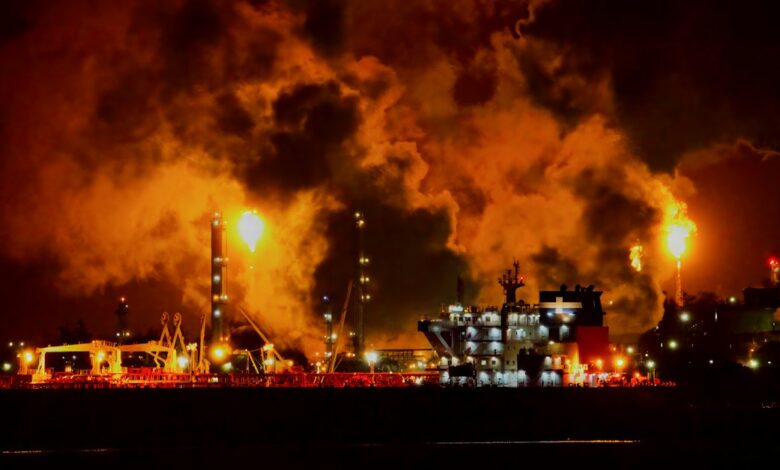
At the heart of the dispute is the physical capacity of Russia’s energy sector. While the agreement assumes Moscow can increase diesel exports, market intelligence suggests the Russian petrochemical infrastructure is already under severe strain. Data indicates that Russian refineries are currently operating at approximately 60 percent of their installed capacity. This reduction is attributed to a combination of operational halts, emergency repairs, and equipment deficits resulting from repeated Ukrainian drone strikes.
Energy analysts have raised substantial doubts regarding the feasibility of Moscow fulfilling the commercial commitments outlined in the new deal. Michelle Brouhard, head of policy and geopolitical risk at energy intelligence firm Kpler, noted that Russia faces a structural deficit rather than a demand-side issue. “The biggest question for me is: where are they going to get the diesel from?” Brouhard asked. “Russia does not have an export problem. It has a refining problem.” Her assessment underscores that the physical destruction of refining nodes limits the volume of fuel available for export, regardless of diplomatic agreements or sanctions adjustments.
Ukraine’s targeting strategy relies on asymmetric warfare principles, using long-range drones to degrade Russia’s economic base and military logistics. By focusing on refineries, Kyiv aims to disrupt the supply chain that supports both the Russian war machine and its broader economy. The continued operation of these strikes, despite high-level diplomatic pressure from Washington, suggests that Kyiv views the preservation of its national survival as taking precedence over accommodating US commercial interests. The refusal to halt operations indicates that Ukrainian military leadership does not consider the current threat level from Russian forces to be sufficiently mitigated by diplomatic measures alone.
The implications for global energy markets are complex. If Ukrainian strikes remain effective, Russian refining capacity may remain constrained, complicating any attempt to flood global markets with surplus diesel. Conversely, if Moscow manages to repair or bypass damaged facilities, the impact of the strikes may diminish over time. However, the current operational reality is one of scarcity. The 40 percent reduction in capacity suggests that any increase in exports would likely come at the expense of domestic supply, potentially exacerbating internal shortages within Russia.
This standoff between Kyiv and the US administration reflects a broader challenge in sustaining international support for Ukraine. While Washington seeks to leverage economic tools to influence the conflict, Kyiv is focused on degrading Russian combat capabilities through direct military action. The persistence of drone attacks on refineries serves as a tangible measure of Ukraine’s commitment to its defensive strategy, demonstrating that diplomatic agreements regarding energy trade do not alter the operational tempo on the ground.
As the diplomatic friction between Kyiv and Washington continues, the focus remains on the resilience of Russia’s energy infrastructure. The next phase of this conflict will likely be defined by the effectiveness of Ukrainian interdiction operations against key refining centers and the ability of Moscow to adapt its logistical networks. Until the physical capacity of Russian refineries is restored or the threat from Ukrainian drones is neutralized, the commercial promises of the Trump-Putin deal remain difficult to substantiate with actual fuel volumes.