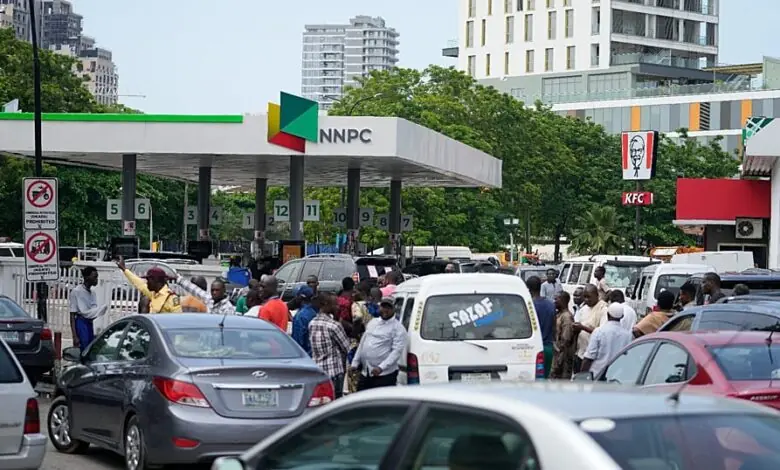
The discount is being implemented by the Nigerian National Petroleum Company (NNPC), the state-owned entity that operates the continent’s largest refinery, owned by Aliko Dangote. In a statement, NNPC Chief Corporate Communications Officer Andy Odeh clarified that the offer is a “customer relief initiative” and does not constitute a restoration of the petroleum subsidy. This distinction is critical for the administration of President Bola Tinubu, who removed costly fuel subsidies shortly after taking office in May 2023. The removal of those subsidies had previously lowered pump prices significantly, but the subsequent shift to market-based pricing has left the government with less direct control over retail costs amid global volatility.
Market Mechanics and Financial Structure
The government has structured the discount to avoid direct fiscal expenditure on subsidies. Finance Minister Taiwo Oyedele explained that the measure involves the NNPC forgoing its retail profit margin on petrol sales. Instead of selling fuel at a markup, the company will sell at its landing cost. Presidential spokesperson Bayo Onanuga illustrated the mechanism: if the NNPC’s landing cost for petrol is 1,300 naira, it will sell the fuel to consumers, particularly commercial vehicle operators, at that same price.
This approach allows the state to address public discontent over the cost of living without reversing the structural economic reforms implemented last year. The discount is available exclusively at NNPC Retail stations nationwide. The initiative was originally introduced on October 1 to mark Nigeria’s 66th Independence Anniversary but was extended through the end of the month in response to growing concerns over the rising cost of petroleum products linked to the Middle East conflict.
“This discount is a customer relief initiative and does not represent the reintroduction of petroleum subsidy,” said Andy Odeh, NNPC Chief Corporate Communications Officer.
The move comes at a sensitive time politically. With the presidential election looming in January 2027, fuel prices have become a “political hot potato.” Since the removal of subsidies, the government has largely deferred to market forces, doing little to rein in prices that have risen due to global crude oil shocks. The current measures are part of a broader raft of policies aimed at easing pressure on vulnerable households while maintaining the market-based pricing framework.
The discount specifically targets the reduction of the “suffering” caused by the high cost of living, a sentiment echoed in various public reactions. By allowing the NNPC to sell at cost, the government is effectively transferring the retail margin to the consumer for a limited period. However, the NNPC has stressed that this does not establish a uniform national pump price. Other private retailers are not bound by this specific concession, meaning the discount applies only to the state-owned network of stations.
For commercial transport operators, who are often the most price-sensitive segment of the market, this temporary relief could provide significant breathing room. The government’s strategy relies on the perception that the measure is a temporary buffer against global shocks rather than a permanent fiscal burden. As the month of October progresses, the effectiveness of the discount will be measured by its ability to stabilize consumer confidence without triggering inflationary expectations or complicating the market dynamics that the Tinubu administration has sought to establish since 2023.
The energy sector remains under scrutiny as the administration balances the need for economic stability with the political imperative of affordability. While the discount addresses the immediate pain point of high fuel costs, the underlying drivers—global crude oil prices and the removal of subsidies—remain unchanged. The next few weeks will test whether this targeted relief is sufficient to quell public discontent or if further interventions will be required as the election cycle intensifies.