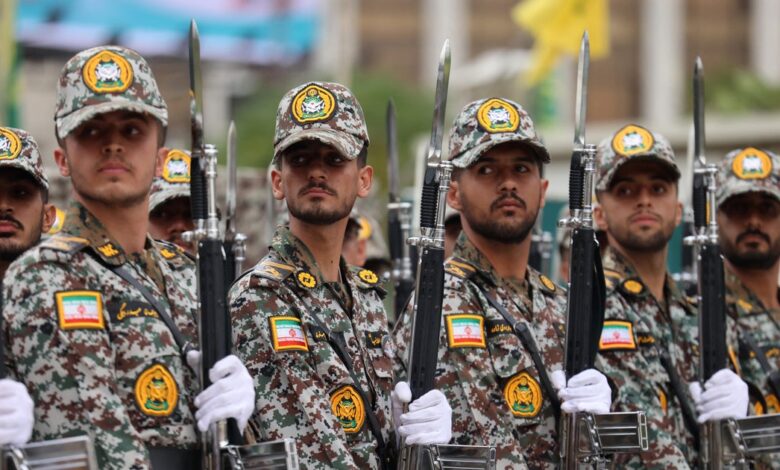
Lt. Gen. Ahmed Sharif Chaudhry, the chief of the Pakistani military’s media wing, confirmed the presence of Pakistani troops in an interview, stating, “The forces of Pakistan are already there. That I can share with you.” While specific numbers and capabilities were classified, Chaudhry emphasized that Pakistan’s commitment to Saudi security was “absolute.” He described the alliance, often referred to as the Mecca Alliance, as a mechanism for collective defense where an attack on one member would be considered an attack on all. This deployment follows an emergency meeting in Riyadh on Monday, where Saudi Arabia, Pakistan, and Turkey agreed to implement collective defense commitments and ensure the rapid deployment of military forces.
The introduction of Pakistani troops does not occur in isolation. The conflict, which reignited in July following the unraveling of a US-Iran ceasefire, has expanded from the Yemeni civil war into a broader regional confrontation. The Houthis, who control much of northern Yemen including the capital Sanaa, have seized territory along the Red Sea coast and attacked transport hubs, oil facilities, and civilian targets in Saudi Arabia. In recent days, Yemeni government forces have claimed advances near the strategic Bab al-Mandeb Strait, a move that has triggered retaliatory missile and drone attacks against Saudi infrastructure.
Saudi Arabia has responded with a massive air campaign. Turki al-Maliki, the spokesperson for the Saudi-led coalition, announced that the coalition destroyed 136 military targets in areas controlled by the Houthi militia during a “large-scale operation.” These strikes targeted Houthi personnel and capabilities, with missiles hitting areas in the northwestern Yemeni governorate of Saada. The operation underscores Saudi Arabia’s determination to reverse Houthi gains in southwest Yemen, near the southern entrance to the Red Sea.
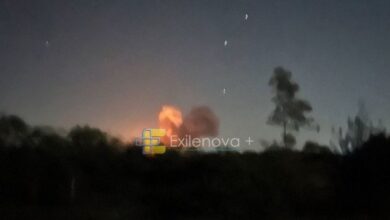
The escalation has introduced new instability to the capital. Loud booms were heard in Riyadh on Thursday, leading to numerous flight delays and departures at King Khalid International Airport. Several multinational firms based in Riyadh’s King Abdullah Financial District instructed staff to work from home, and some schools issued orders for families to shelter in place. The US Mission in Saudi Arabia issued an updated security alert, warning American citizens that the conflict “has the potential to escalate.” While the Saudi government did not immediately comment on the source of the booms, the Houthis claimed responsibility for firing a ballistic missile at Riyadh airport.
Strategic considerations extend beyond the immediate battlefield. The alliance between Saudi Arabia, Turkey, and Pakistan represents a significant shift in regional defense architecture, mirroring NATO-style collective security provisions. Turkey, a NATO member, and Pakistan, a nuclear-armed state, provide Saudi Arabia with enhanced logistical and defensive depth. Chaudhry clarified that any Pakistani involvement would be “defensive in nature” and that the alliance’s objective is the defense of the Kingdom, not the labeling of enemies. However, he declined to specify whether Pakistani troops would be involved in cross-border operations in Yemen, noting that participating countries do not disclose how or where they employ their forces during active conflicts.
Amidst the military escalation, geopolitical dynamics are shifting. President Donald Trump stated that Iran faces a binary outcome: “Either they give us everything, or they don’t exist any longer.” Separately, Trump announced that Russia has agreed to release millions of tons of diesel fuel to global markets to counter skyrocketing prices, with the US Treasury Department waiving sanctions on Russia’s energy sector to facilitate this supply. These economic and diplomatic maneuvers occur against a backdrop of intense military activity, with Syria also reportedly considering deploying troops to assist Saudi Arabia.
The deployment of Pakistani forces and the intensification of Saudi airstrikes signal a new phase in the Middle East conflict. As the Houthis continue to target Saudi airspace and infrastructure, the coordinated response from the Mecca Alliance members aims to deter further aggression. The coming weeks will determine whether these defensive measures can stabilize the region or if the conflict will continue to expand, drawing in additional external actors.