Two years into his second term, the geopolitical reality has diverged sharply from that initial projection. The war has not ended; it has persisted. Consequently, the strategic posture of the United States has shifted from an attempt at immediate cessation to a commitment, in principle, to funding the conflict. This transition represents a significant adjustment in the administration’s approach, moving away from the rhetoric of a singular, decisive diplomatic breakthrough toward the realities of sustaining a protracted geopolitical confrontation.
The Gap Between Rhetoric and Implementation
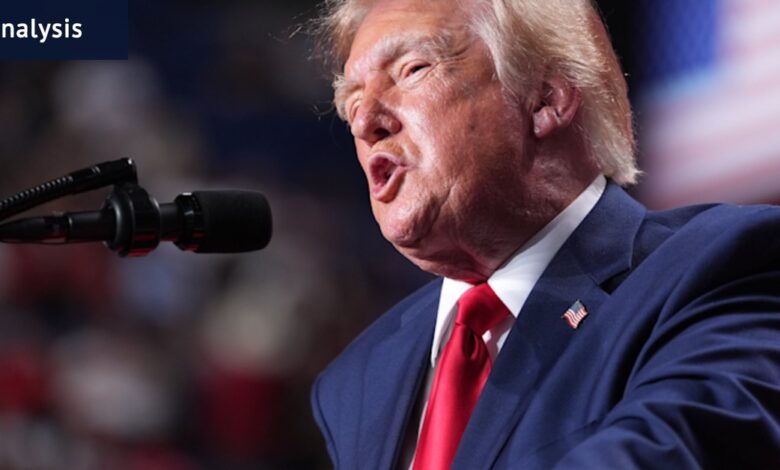
The initial confidence expressed by the U.S. president was predicated on the idea that his willingness to do what others would not, combined with the deployment of American power, would yield a swift resolution. The reference to knowing “exactly what to say” to Putin and Zelensky implied a direct, bilateral channel of communication that could override the complexities on the ground. This narrative positioned the conflict as a problem of will and negotiation dynamics, solvable by a leader with the right leverage and personal rapport.
However, the persistence of the war over nearly two years indicates that the diplomatic mechanisms outlined in the pre-election promises have not achieved the stated objective. The shift to funding the war suggests an acknowledgment that the conflict has outlasted the window for a “one-day” settlement. Instead of concluding the hostilities, the U.S. role has evolved to one of financial and logistical sustenance, effectively keeping the machinery of war operational rather than dismantling it.
“It will take me no longer than one day. I know exactly what to say to each of them.”
This commitment to funding carries significant implications for the broader strategic landscape. It signals that the United States remains deeply entangled in the conflict, not merely as a mediator seeking an exit, but as a principal actor providing the resources necessary for continued hostilities. This stance affects the incentives of all parties involved. For Ukraine, it provides a lifeline that extends its capacity to resist, potentially altering the balance of power on the battlefield. For Russia, it ensures that the economic and military pressure from the Western alliance remains a constant factor in its strategic calculations.
Strategic Consequences and Diplomatic Pressures
The move from promising an end to funding the continuation represents a complex diplomatic maneuver. It reflects the pressures inherent in managing a global conflict that has drawn in multiple allies and adversaries. The initial proposal of a rapid end may have been a political strategy to appeal to domestic audiences weary of conflict spending and international entanglement. The subsequent decision to fund the war indicates a recalibration of priorities, likely driven by the on-the-ground realities that defy simple diplomatic resolution.
This development also highlights the challenges of translating campaign promises into foreign policy execution. The expectation set by the “one-day” promise created a framework for success that was difficult to meet given the entrenched positions of the belligerents. By committing to funding, the administration is effectively admitting that the conflict is a long-term structural issue rather than a temporary dispute resolvable through a single conversation. This has consequences for U.S. credibility and the perception of American reliability among allies who have looked to Washington for both diplomatic solutions and material support.
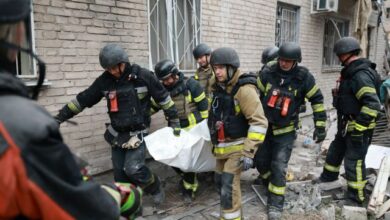
The human and geopolitical costs of this extended engagement continue to accumulate. The focus has shifted from the search for a quick peace to the management of a sustained war, with all the economic burdens and strategic risks that entails. The original narrative of exceptionalism and rapid success has given way to the pragmatic, if less popular, reality of long-term commitment.
As the administration navigates this new phase, the unresolved tension remains between the desire for a definitive end to the conflict and the necessity of supporting one side in an ongoing struggle. The next steps in this trajectory will likely focus on the sustainability of this funding model and whether diplomatic channels can be reopened to find a path toward de-escalation, or if the commitment to funding signals a longer-term assumption of the conflict’s continuation. The shift marks a definitive break from the pre-inaugural optimism, grounding U.S. policy in the protracted nature of the Russia-Ukraine war.