While the threat of joint military action looms, Saudi Arabia is simultaneously pursuing a complex diplomatic strategy designed to contain the conflict without triggering a wider regional war. Behind the scenes, Riyadh has engaged in talks with the Houthis through Omani mediators. According to sources familiar with the matter, these negotiations are part of a broader effort to prevent clashes from damaging the kingdom’s oil industry and broader economy. Although Saudi Arabia conducted limited airstrikes on Houthi positions for two consecutive days in late July, the kingdom has been cautious about further unilateral military action in recent weeks, prioritizing diplomatic resolution where possible.
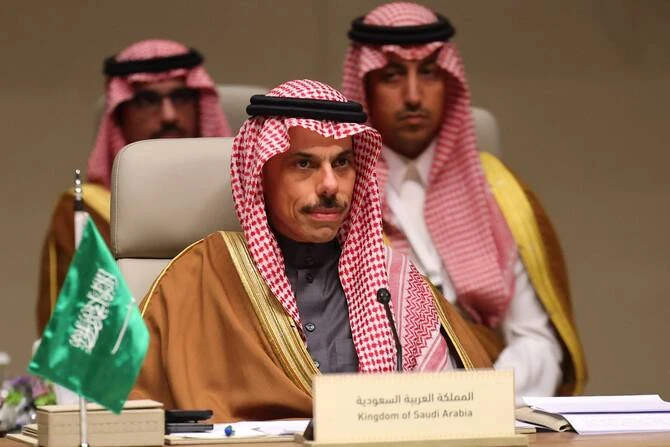
This dual approach—blending negotiation with deterrence—is central to Saudi Arabia’s current foreign policy. The kingdom’s diplomatic activity has been intense, with Foreign Minister Prince Faisal bin Farhan visiting Ankara, London, Madrid, and Athens within a matter of days. These visits aim to transform influential global capitals into a network of political pressure that supports de-escalation efforts. The objective is to safeguard navigation through the Strait of Hormuz, an interest that extends beyond the Gulf to global energy security, while preventing an American-Iranian confrontation from sliding into open regional war.
Saudi Arabia’s position is not that of a neutral mediator but of a state directly targeted by recent hostilities. The kingdom has faced multiple attacks involving Iranian drones and ballistic missiles, including the interception of three drones that entered its airspace from Iraqi territory on May 17. The Saudi Ministry of Defense confirmed it took necessary operational measures to protect its sovereignty. These incidents underscore that diplomatic efforts do not equate to a lack of military readiness. Riyadh has exercised what can be described as “strategic patience,” maintaining a firm security stance while seeking a political horizon that makes military operations alone insufficient for long-term security.
The diplomatic push is also coordinated with Pakistan, which has been mediating dialogue between regional actors. Riyadh is working with Islamabad to establish a practical path for dialogue that prevents the resumption of military operations between Iran and its neighbors. This coordination reflects a view that sustainable security in the Arabian Gulf requires more than just military defense; it demands a coordinated program of economic, diplomatic, and legal pressure. The goal is to compel Iran to reopen the Strait of Hormuz if it has been restricted and to abandon hostile behavior toward neighboring states.
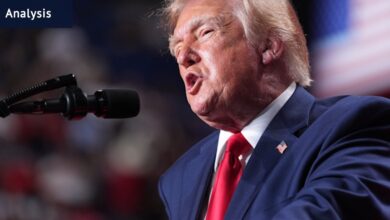
President Trump’s potential involvement adds a new variable to this delicate equation. The US president has previously engaged in phone calls with Saudi Crown Prince Mohammed bin Salman, Qatari Emir Sheikh Tamim bin Hamad Al-Thani, and UAE President Sheikh Mohammed bin Zayed Al-Nahyan. During these communications, the Kingdom urged Trump not to launch broader military strikes against Iran, arguing that war without a clear political objective would not ensure security. Instead, Saudi Arabia advocates for a broad international and European effort to manage the crisis through structured pressure and dialogue.
For the Saudi economy, the stakes are high. The kingdom’s status as a central pillar of global energy security makes it a primary target for any disruption in the region. The ongoing conflict threatens not only immediate physical security but also the stability of oil exports and the broader economic outlook. By maintaining contact with Iranian counterparts while strengthening defensive capabilities, Riyadh is attempting to manage this risk meticulously. The balance between engaging in dialogue and preparing for military contingencies remains fragile, with the outcome hinging on whether diplomatic channels can effectively de-escalate the tensions before they spiral into a larger confrontation.