
This local evacuation is part of a much wider and more devastating disaster unfolding across the island of Sumatra. The death toll from flash floods and landslides on the island rose to 164 by Friday, with 79 people remaining missing, according to authorities. The catastrophe was precipitated by monsoon rains that caused rivers to burst their banks in North Sumatra province on Tuesday, tearing through mountainside villages and submerging more than 3,200 houses and buildings. Approximately 3,000 displaced families fled to government shelters as the deluge swept away people and infrastructure.
The impact has been severe across multiple provinces. In North Sumatra, the death toll reached 116, while 25 people died in Aceh. Rescuers also retrieved 23 bodies in West Sumatra. National Disaster Mitigation Agency Chief Suharyanto noted that rescue efforts have been significantly hampered by mudslides that covered large areas, widespread power blackouts, and a lack of telecommunications. Speaking from an airport in North Tapanuli district after conducting an aerial inspection of the devastation, Suharyanto highlighted the logistical challenges facing emergency teams. Rescue workers in the hardest-hit areas, including Sibolga and South Tapanuli, have had to rely on jackhammers, circular saws, farm tools, and their bare hands to dig through tons of mud, rocks, and uprooted trees to locate survivors and recover bodies.
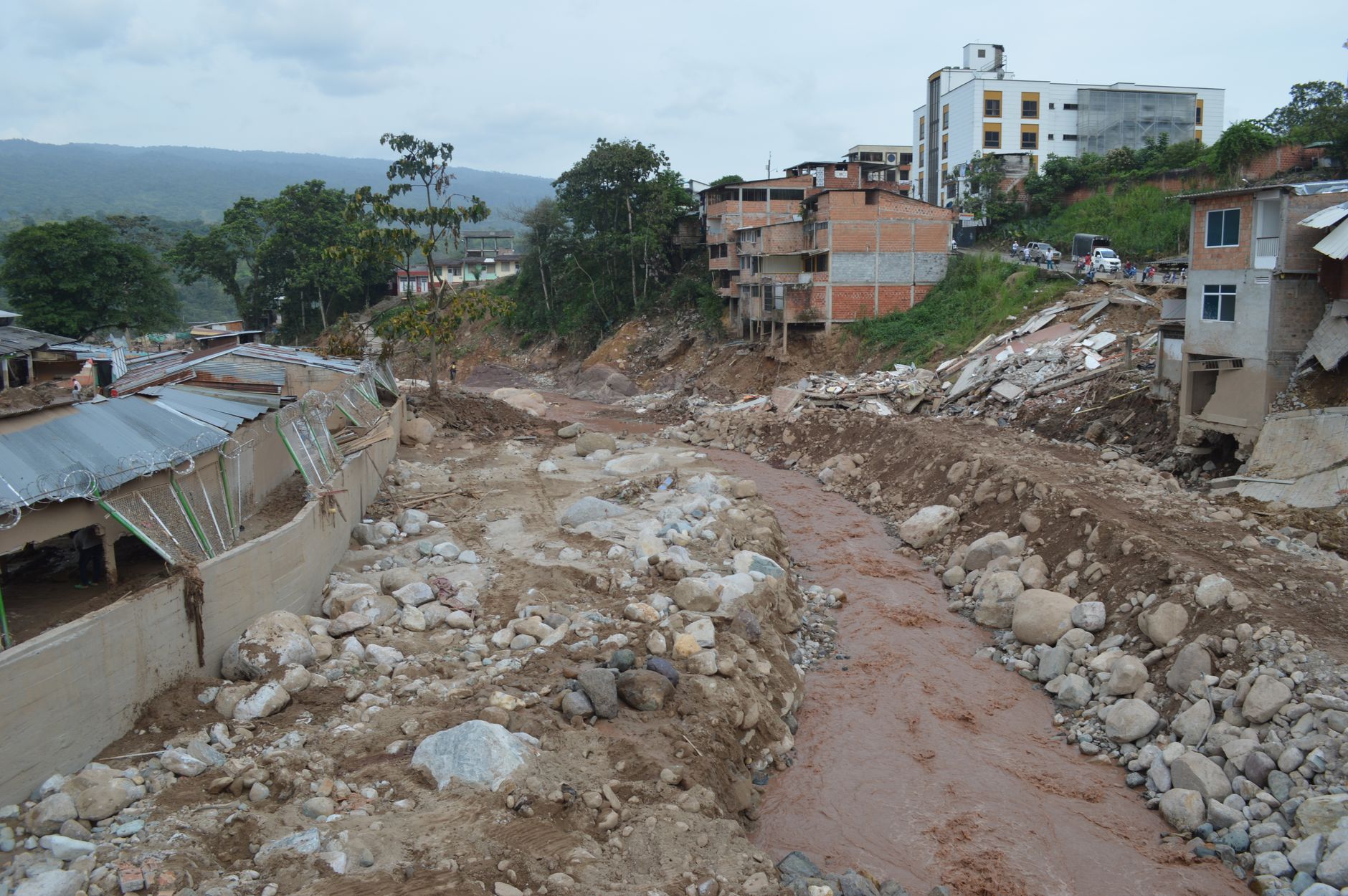
The destruction of critical infrastructure has further complicated the response. Landslides destroyed at least two main bridges in the North Tapanuli district, and another bridge in Mandailing Natal was cut off by flooding. In Central Tapanuli, landslides hit several homes, killing at least a family of four, while floods submerged nearly 2,000 houses and buildings. In Aceh, nearly 47,000 people were displaced by floods, forcing about 1,500 residents into temporary shelters. Meanwhile, in West Sumatra’s Padang Pariaman district, more than 3,300 houses were submerged, displacing approximately 12,000 residents.
Heavy seasonal rain, which typically occurs from October to March, frequently causes flooding and landslides in Indonesia, an archipelago of 17,000 islands where millions of people live in mountainous areas or near fertile floodplains. The current disaster underscores the vulnerability of these communities to extreme weather events. In some areas, flash floods rose rapidly, transforming streets into raging torrents carrying tree trunks and debris, while in others, mud and debris struck main roads, as seen on the tiny Nias island and in Pakpak Bharat district.

Provincial police spokesperson Ferry Walintukan warned that the death toll was likely to rise, given that many people remained missing and some remote areas were still unreachable. Emergency shelters have been established, and authorities have urged residents in high-risk zones to evacuate immediately, cautioning that continued rainfall could trigger further landslides. In the immediate aftermath of the initial Tuesday deluge, rescue teams in the worst-hit Agam district in West Sumatra recovered 10 bodies in Malalak village, while others were retrieved from the Anai Valley Waterfall area in Tanah Datar district. The coordinated response involved personnel from the West Sumatra Regional Police, the Regional Disaster Management Agency, and other agencies, all working to ensure that no further lives were lost in the ongoing operations.
As water levels in some areas like Koto Tangah District slowly begin to recede, the focus shifts to the longer-term recovery of a region where infrastructure damage and environmental hazards continue to pose significant risks to the safety of thousands of residents.
