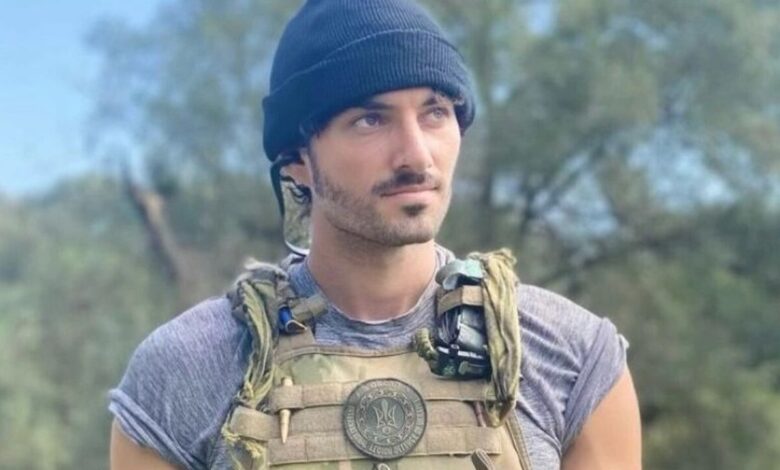
The charges stem from Kennedy’s volunteer service on the northeastern front line in Ukraine during 2022. Despite having no prior military experience, Kennedy traveled to Ukraine without informing his family and enlisted with the International Legion. He served for approximately two and a half months before returning to the United States to resume his law studies at Georgetown University. The Russian court’s decision characterizes this period of service as mercenary activity, a designation that carries significant legal consequences under Russian law.
Kennedy has previously described his decision to join the conflict in personal social media posts, stating that he was deeply moved by events in Ukraine and felt an immediate desire to assist. He noted that he kept his whereabouts and real name secret from nearly everyone to avoid being treated differently. His father, Robert F. Kennedy Jr., who currently serves as the U.S. Health Secretary in the Trump administration, stated at the time that he and his wife, actress Cheryl Hines, only became aware of their son’s location when credit card charges from Poland and Ukraine appeared. RFK Jr. later expressed pride in his son’s decision.
Neither Conor Kennedy nor his father has publicly commented on the Russian court’s recent action or the issuance of the arrest warrant. The development adds a layer of diplomatic complexity to the personal history of the Kennedy family, which has long been involved in American public life. The charge of mercenarism is a serious legal categorization in Russia, often applied to foreign nationals who participate in armed conflicts on the side of entities deemed hostile by the Russian state.
The legal proceedings in Moscow highlight the broader geopolitical tensions surrounding foreign volunteers in the Ukraine conflict. While the International Legion has drawn participants from numerous countries, the specific legal pursuit of a high-profile U.S. citizen’s family member is a notable escalation in legal rhetoric. The case underscores the risks faced by foreign nationals who serve in active conflict zones, particularly those with significant political or public standing in their home countries.
Kennedy’s involvement in the conflict occurred during a period of intense international scrutiny over the war in Ukraine. His return to the United States and subsequent return to academic life marked a return to normalcy for the family, but the recent judicial action in Moscow reopens the issue of his wartime activities. The potential for further legal or diplomatic repercussions remains unresolved, with no indication from either the Russian or U.S. governments regarding future steps in this matter.
The situation also intersects with recent personal developments in Kennedy’s life. He recently announced his engagement to Brazilian singer Giulia Be, following a previously publicized relationship with pop star Taylor Swift. These personal milestones contrast with the serious legal allegations now being leveled against him by Russian authorities. The juxtaposition of his private life and the public legal proceedings illustrates the far-reaching impact of geopolitical conflict on individual lives, particularly those with prominent family connections.
As the legal process in Moscow continues, the case will likely be monitored closely by international observers interested in the treatment of foreign nationals in Russian courts. The outcome, or lack thereof, given the in absentia nature of the ruling, may depend on broader diplomatic developments between Russia and the United States. For now, the arrest warrant stands as a formal legal document seeking Kennedy’s detention, adding a new dimension to the ongoing narrative of the Ukraine war and its global ramifications.