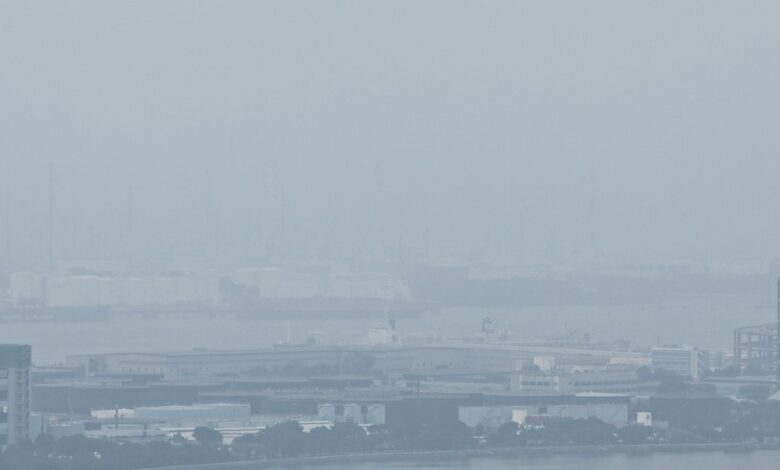
The Transboundary Haze Pollution Act, enacted in 2014, sets a specific threshold for legal action: if the PSI remains in the unhealthy range (101 or above) in any part of Singapore for 24 hours or more, the law can be triggered against those responsible for causing or condoning the fires. Since September 4, when air quality first dipped into unhealthy levels, several episodes have crossed this threshold. The National Environment Agency (NEA) confirmed it is closely monitoring the situation, gathering data on fire hotspots, their sources, and their specific impact on local air quality. While the agency has not yet confirmed whether legal proceedings will be initiated against specific entities, the technical conditions for enforcement have been met.
Regional Cooperation and Legal Frameworks
The haze stems primarily from land and forest fires in Indonesia. Under the Act, companies and individuals found guilty can face fines of up to $100,000 per day, with a total cap of $2 million. To determine liability, authorities utilize satellite imagery, wind speed and direction, and meteorological data to trace whether smoke from specific fire hotspots is likely to drift toward Singapore. This evidentiary process is critical in a transboundary context, where the source of pollution is located in a neighboring sovereign state.
Despite the legal tools available domestically, the primary response strategy relies on regional diplomacy. Minister for Sustainability and the Environment Grace Fu stated on October 10 that Singapore stands ready to assist Indonesia in its efforts to contain the fires. She noted that she has been in direct contact with her Indonesian counterpart, Minister Jumhur Hidayat, offering support and acknowledging the efforts already underway in Indonesia. “We are concerned about the well-being of our people. We are on top of the situation,” Ms. Fu said, emphasizing that plans are in place to protect public health.
Cooperation is being channeled through established ASEAN structures. The ASEAN Specialised Meteorological Centre, hosted by the Meteorological Service Singapore under the NEA, provides early warning advisories and assessments of hotspot situations. This is complemented by the Interim ASEAN Coordinating Centre for Transboundary Haze Pollution Control, based in Jakarta, which coordinates information sharing and can mobilize resources to strengthen preparedness among member states. These institutions aim to reduce the frequency and impact of land and forest fires across the region, moving beyond reactive measures toward prevention.
Public Health and Immediate Impacts
The persistence of unhealthy air quality has direct implications for public health and daily life. As of the morning of October 10, PSI readings varied by region: 174 in the centre, 160 in the west, 156 in the east, 135 in the south, and 124 in the north. Although levels had improved from the previous day’s peak, they remained well above the 101 threshold that defines unhealthy air. The government has indicated there are currently no plans to cancel outdoor entertainment activities, including the Formula 1 Singapore Grand Prix, which is taking place this weekend. However, officials have stated they will do whatever is necessary to safeguard the health of Singaporeans if conditions worsen further.
Uncertainties remain regarding the duration of the haze episode, as it is dependent on weather patterns in Indonesia and the speed at which fires can be extinguished. While attribution research generally links such regional haze events to climate change factors that increase dryness and fire risk, immediate legal action under the Singaporean Act focuses on the specific identification of commercial entities responsible for the fires. The coming days will likely see continued monitoring of both the atmospheric conditions and the diplomatic efforts to secure faster containment of the fires in the region.
For now, the focus returns to the monitoring stations across Singapore, where the PSI numbers serve as the primary metric for both public health advisories and potential legal enforcement. The tension between the domestic legal threshold and the geopolitical reality of transboundary pollution remains the central dynamic of this year’s haze season.