
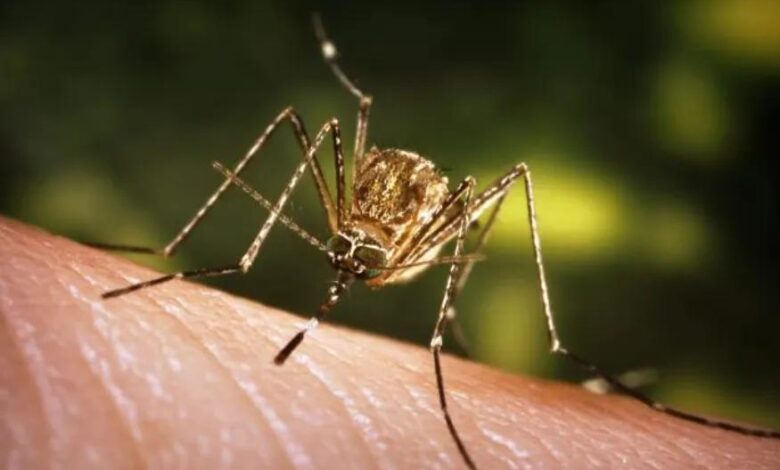
The timing of these detections has drawn attention from state health officials. The NCDHHS State Laboratory of Public Health identified the virus in mosquito samples collected during July in Cabarrus, Forsyth, and Mecklenburg counties. These positive tests were reported earlier in the summer than is typically observed, suggesting the virus is circulating sooner than usual in the greater Charlotte area. Michael Doyle, a public health entomologist with NCDHHS, noted that while West Nile virus activity usually increases at this time of year, these early indicators highlight the immediate need for bite prevention measures across the state.
West Nile virus is primarily transmitted to humans through the bite of an infected mosquito that has previously fed on infected birds. The virus does not spread from person to person. While the majority of infected individuals remain asymptomatic, approximately 20% may develop symptoms such as fever, headache, body aches, and joint pain. In rare but serious cases, the infection can lead to neurological illness characterized by high fever, severe headache, neck stiffness, disorientation, seizures, and paralysis. Health officials emphasize that older adults and individuals with weakened immune systems or underlying health conditions face a significantly higher risk of severe outcomes and death.
Currently, there are no human vaccines or specific antiviral treatments available for West Nile virus. Consequently, prevention remains the most effective line of defense. Health authorities recommend a multi-layered approach to reducing exposure. Individuals are advised to use insect repellent containing DEET or equivalent on exposed skin and to wear long sleeves and long pants when spending time outdoors. Clothing treated with permethrin offers an additional layer of protection. Limiting outdoor activity between dusk and dawn, when mosquito activity peaks, is also recommended. Structural measures, such as using window and door screens to keep mosquitoes out of homes, are essential for reducing indoor exposure.
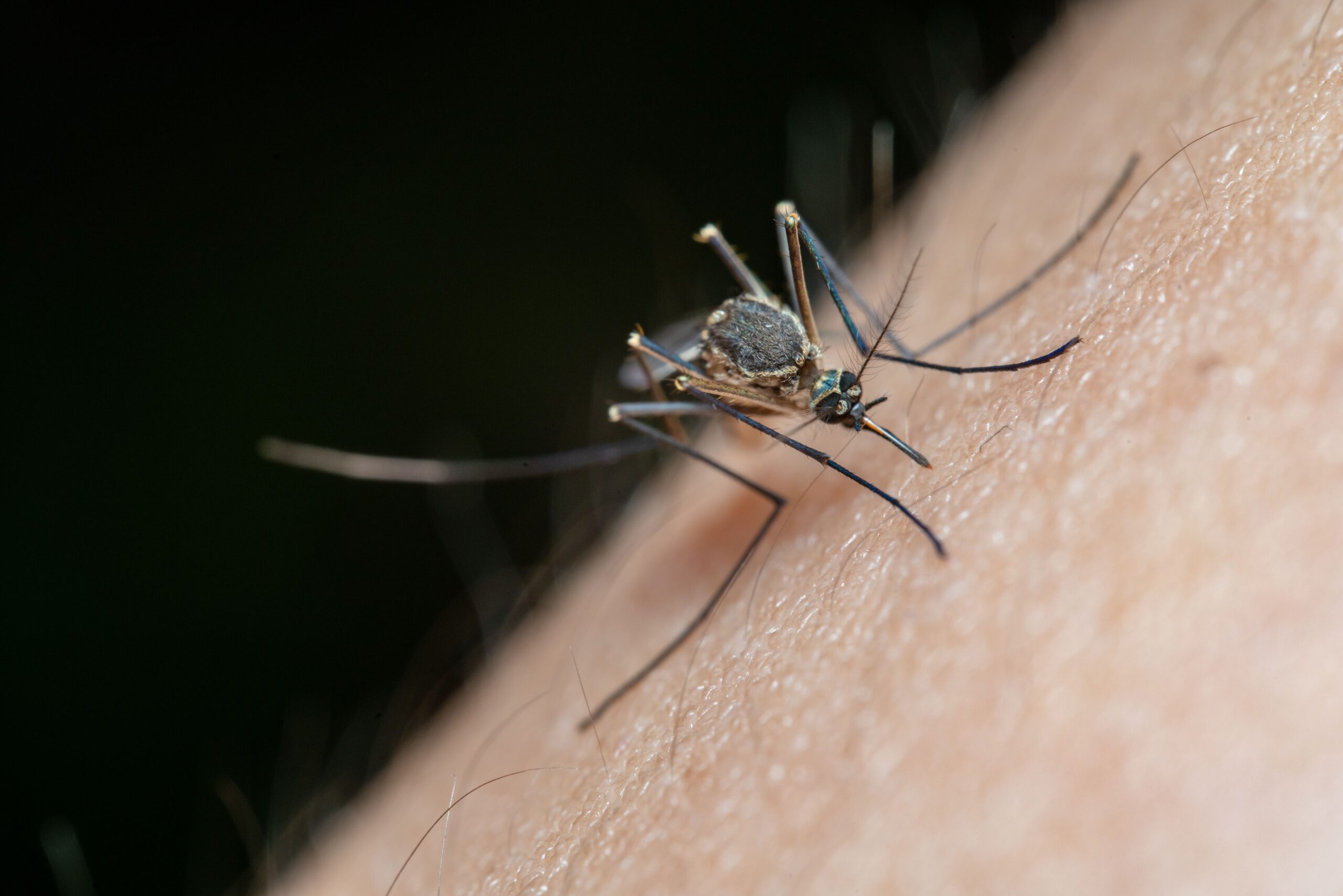
Environmental management plays a critical role in controlling the vector population. Mosquitoes lay their eggs in standing water, making the elimination of stagnant water sources a key public health intervention. Residents are encouraged to regularly empty bird baths, flower pot saucers, and clogged gutters to remove potential breeding sites. Recent summer rainfall patterns have contributed to an increase in mosquito populations, creating favorable conditions for the spread of the virus. As the season progresses, health professionals advise anyone experiencing unusual severe headaches or confusion to seek medical attention immediately.
The early onset of this season underscores the importance of sustained vigilance. With the virus already detected in multiple counties and confirmed human cases in the region, the focus has shifted from monitoring to active prevention. For the communities of Cabarrus, Forsyth, Mecklenburg, and Gaston counties, the presence of the virus in local mosquito populations serves as a direct warning. As the season moves forward, the next confirmed developments will likely depend on continued surveillance of mosquito populations and human health data, with the goal of minimizing further severe cases and fatalities among vulnerable populations.