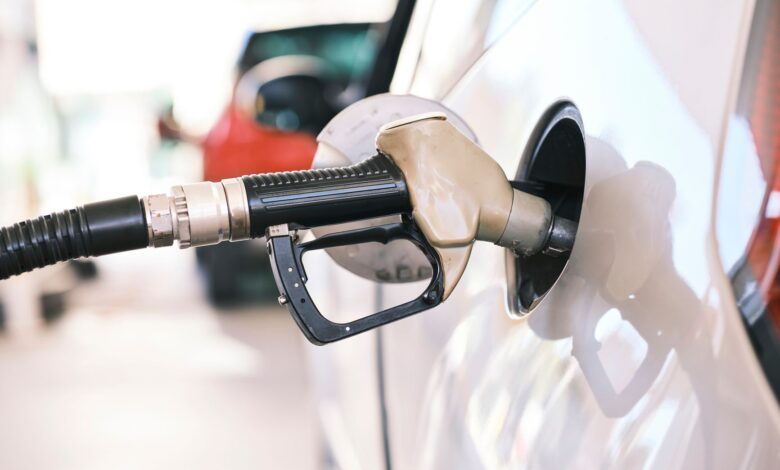
The decision to move to a daily review cycle was driven by disruptions to energy shipments through the Strait of Hormuz and renewed hostilities in the Middle East. Petroleum Minister Ali Pervaiz Malik stated that the new system uses a rolling seven-day average of international petroleum prices, aligning Pakistan’s fuel-pricing structure with global practices. This adjustment aims to improve market transparency and allow consumers to benefit more rapidly from decreases in international oil prices, while also reflecting immediate increases when global costs rise.
Minister Malik issued a stark warning regarding future price trajectories, stating that petrol prices could reach Rs1,000 per litre if the country faces a fuel shortage. He noted that fuel prices in Pakistan have already risen by approximately 50% over the past six months. Since the conflict began on February 28, when petrol stood at Rs258.17 per litre, prices have climbed by Rs131. The minister attributed this sharp escalation to rising global crude oil prices and supply concerns linked to the closure of the Strait of Hormuz, a critical route for global oil supplies.
To mitigate the impact on lower-income households, the government has expanded a petrol subsidy scheme for motorcycles, rickshaws, and vehicles with engine capacities up to 800cc. The scheme provides a subsidy of up to Rs100 per litre, distributed via four monthly tokens worth Rs500 each. More than 1.75 million individuals have registered for the program, with approximately 1.5 million tokens issued and over 680,000 already utilized. The expansion now includes motorcycles registered from January 1, 2006, aiming to reduce the financial burden on transport operators and small vehicle owners during this period of high inflation.
Simultaneously, the government is pursuing measures to reduce dependence on imports by accelerating domestic oil exploration. Minister Malik indicated that work has begun on new oil wells, with crude oil potentially being discovered by October. The state has awarded new exploration blocks to companies to increase domestic production. If these wells reach commercial scale, Pakistan could meet a portion of its domestic requirements from local supplies, thereby reducing pressure on the national budget during periods of international price spikes.

The regional energy landscape remains tense, with neighboring Bangladesh reporting fuel price increases of up to 17.4% effective September 21. These concurrent adjustments across South Asia reflect the broader economic pressure exerted by Middle East instability on regional energy security. The next significant operational milestone for Pakistan will be the potential discovery of domestic crude by October, which could influence the country’s import strategy and price stability in the coming quarter.