
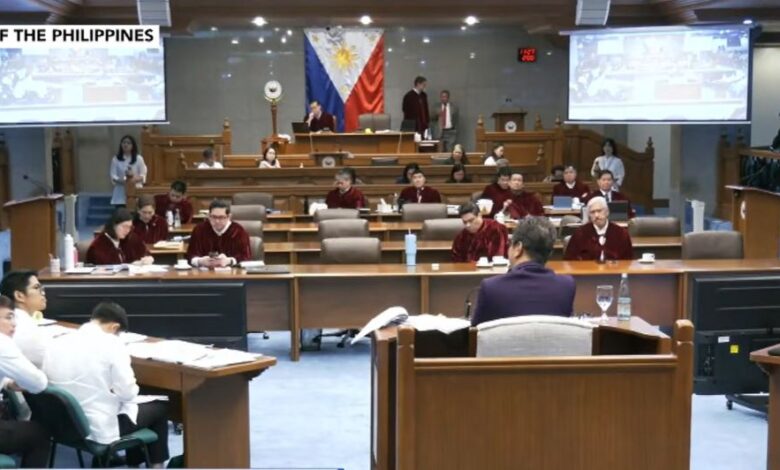
The prosecution, led by Batangas Representative Gerville Luistro, manifested that it would no longer pursue Article I regarding the misuse of confidential funds, Article III concerning bribery, and Article IV, which detailed allegations of grave threats, an assassination plot, and inciting sedition against the President. The panel will now focus exclusively on Article II, which alleges that Duterte failed to fully declare her assets and divest from business interests, raising questions about her unexplained wealth.
The decision has drawn immediate and sharp criticism from the defense team. Defense lead counsel Sheila Sison stated that while the withdrawal would not affect the defense panel’s presentation of its own evidence, the move undermined the integrity of the proceedings. Sison warned that if the prosecution’s intent was to shorten the trial, the resulting process would bear the “unmistakable characteristics of a mistrial,” as the defense would be unable to present witnesses and evidence corresponding to the dropped allegations.
“The dropping of the bribery charge in the impeachment… is what we have been saying from the very beginning, even in the House of Representatives, the moment they filed, the groups filed the impeachment complaint, that there was no evidence for all their accusations,” Vice President Sara Duterte told reporters on Tuesday.
Duterte’s statement frames the narrowing of the case not as a procedural adjustment, but as an admission by the state that its original complaints were baseless from the outset.
Senator Alan Peter Cayetano, the Minority Leader of the Senate, raised procedural concerns regarding the timeline following the withdrawal. Cayetano emphasized that the Philippine Constitution does not impose a strict time limit on the conduct of impeachment trials. He argued that the proceedings should not be hastened at the expense of fairness, suggesting instead that the Senate could prioritize other legislative duties, such as the national budget and ongoing flood control investigations, given the current weather conditions.
“We can finish this in January, we can finish this in February. We can take a break tomorrow and focus on the budget,” Cayetano said. He noted that the Senate has the discretion to manage its calendar, implying that rushing to a conclusion on a single article might compromise the thoroughness of the judicial process.
The procedural shift has also sparked debate within the Senate regarding who ultimately controls the scope of the trial. Senator Bam Aquino questioned whether the decision to withdraw Articles I, III, and IV was made by the impeachment court itself or by the prosecution. In response, Presiding Officer Escudero clarified that senator-judges may still seek reconsideration of the court’s ruling allowing the House panel to withdraw the articles, indicating that the matter is not yet fully settled in the eyes of the legislative body.
The trial, which began with broad allegations of corruption and threats to national security, now hinges entirely on financial disclosure. The remaining Article II charge focuses on the veracity of Duterte’s Statement of Assets, Liabilities, and Net Worth. This single article will determine whether the defense can successfully rebut the claims of hidden wealth and improper business interests.
The withdrawal of the bribery and threat-related charges removes the most sensational elements of the case from the courtroom record. However, the defense’s characterization of the event as a potential mistrial suggests that legal challenges to the new scope of the trial are likely to intensify. The Senate impeachment court must now navigate the next formal steps, balancing the prosecution’s desire for a streamlined trial against the defense’s argument that the truncated proceedings violate due process.
With the case reduced to a single article, the burden of proof shifts entirely to the financial records and testimony regarding Duterte’s assets. The next phase will likely involve the presentation of evidence specific to these financial disclosures, while the Senate deliberates on whether to allow reconsideration of the procedural changes made on Day 39.