
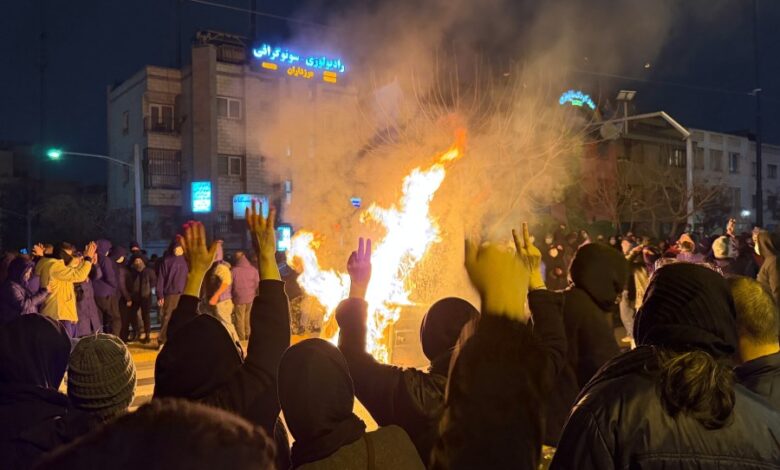
The report identifies the IRGC, a major paramilitary force with extensive authority over security and economic matters, as the primary actor behind these executions. While the specific legal charges for each individual were not detailed in the initial summary, the scale of the numbers suggests a systematic application of the death penalty across various categories of offenders, including those accused of political crimes, drug trafficking, and other offenses deemed threats to state stability.
“I won’t survive,” said a refugee in connection with the reported figures.
This statement from a refugee underscores the fear and uncertainty surrounding the current security environment in Iran. The inclusion of refugee testimony in the context of these statistics highlights the personal human cost of the regime’s enforcement actions. Refugees and displaced individuals often serve as key witnesses to conditions inside the country, providing critical insights into the lived realities of those facing the justice system.
The escalation in executions comes against a backdrop of ongoing geopolitical tensions and domestic unrest. International observers have long monitored Iran’s judicial practices, with human rights organizations frequently citing the high number of death sentences and their rapid implementation. The involvement of the IRGC in these executions is particularly notable, as it blurs the lines between military, judicial, and political authority, raising questions about due process and the independence of the judiciary.
Geopolitically, the high number of executions may serve multiple purposes for the Iranian leadership. It could be a means to deter dissent and maintain social order amid economic challenges and external pressure. Furthermore, the display of strong internal security measures may be intended to project strength to both domestic and international audiences. However, such actions also risk further isolating Iran on the global stage, potentially complicating diplomatic efforts and economic negotiations.
The data presented in the report provides a baseline for understanding the current trajectory of capital punishment in Iran. With more than 2,000 executions in a single year, the trend indicates a significant departure from previous periods, although historical comparisons require careful contextualization. The next expected development will likely involve further international reactions, including potential diplomatic statements or sanctions discussions, as well as continued monitoring by human rights groups to verify the accuracy and scope of these figures.
The immediate significance of this development lies in its reflection of the regime’s prioritization of security over human rights. As the international community weighs its response, the focus remains on the welfare of those affected and the broader implications for regional stability and international law.