
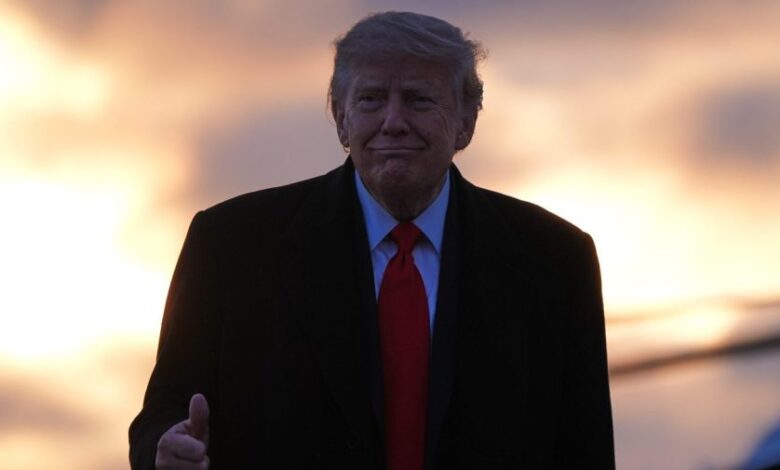
The statement followed a brief period of heightened tension regarding U.S. interests in the Danish territory. Last month, the United States, Denmark, and Greenland signed an agreement intended to strengthen defense and security in the Arctic and North Atlantic regions. This accord, which resolved months of friction following Trump’s frequent threats to seize the island, reaffirmed Danish sovereignty and the right of Greenlanders to self-determination. The agreement makes minor modifications to a 1951 treaty that permits U.S. military presence in Greenland as part of NATO defense efforts. While the text acknowledges “minerals cooperation” and “cooperation on economic development and business promotion,” it does not explicitly mention oil or gas extraction.
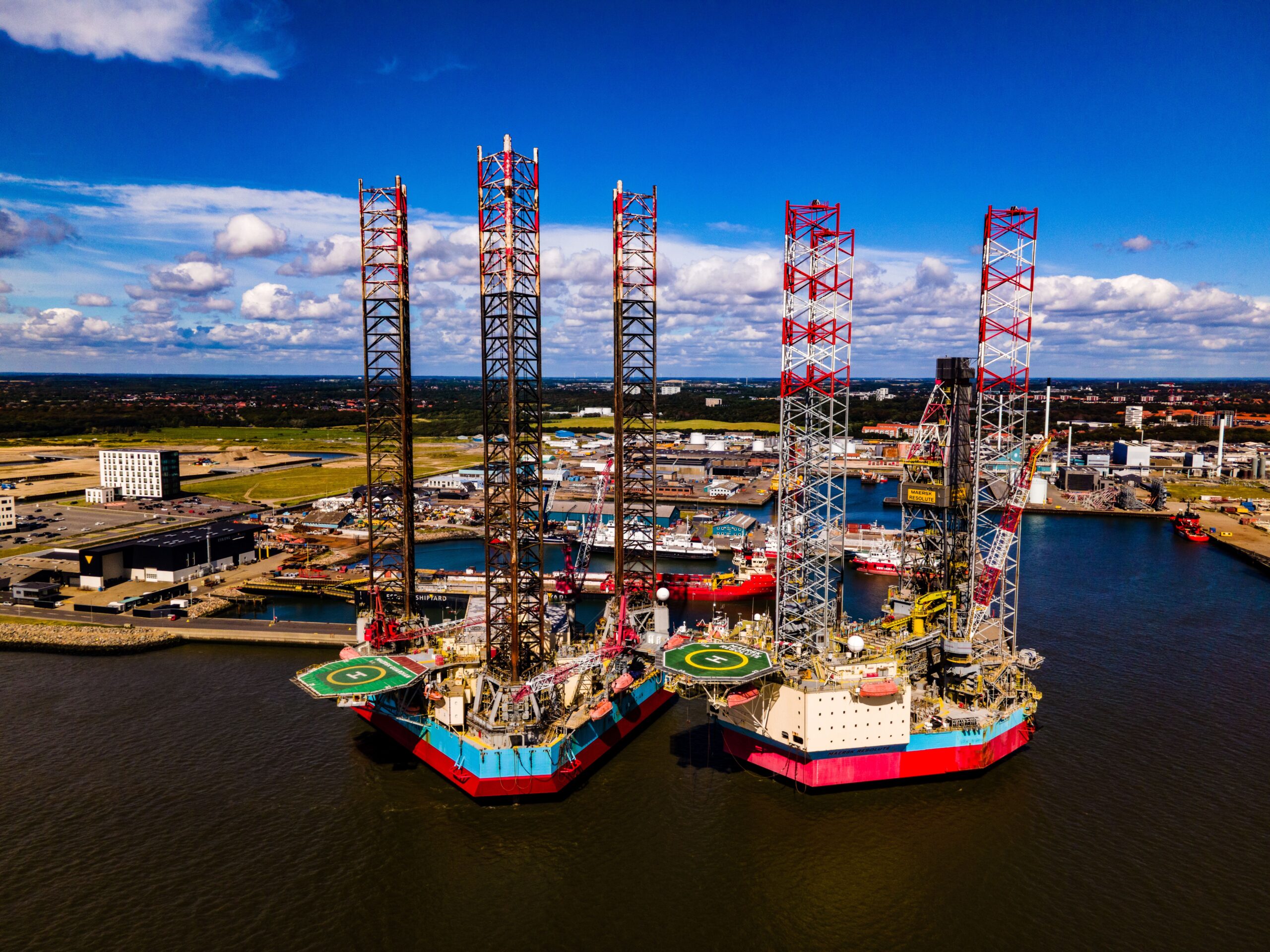
Greenland’s government quickly challenged the president’s characterization of the current situation. Jørgen Hammeken-Holm, Greenland’s deputy mining minister, stated that while there are indeed activities by U.S. companies in the territory, it is “very far away from ‘massive’ exploration.” He noted that many smaller explorations are underway, but these projects could take years to become operational. Researchers have highlighted the significant difficulties and enormous expense associated with extracting resources from Greenland, where approximately 80% of the island is covered in ice and much of the territory lies above the Arctic Circle with limited infrastructure.
In his post, Trump also framed the resource initiative within a broader security context, stating that any future attack on the United States would have to come across Greenland. He claimed that U.S. Defense capabilities would routinely intercept drones, missiles, or other weapons in the region. The strategic location of Greenland has long been a point of contention, with the U.S. maintaining significant military infrastructure there. The new agreement paves the way for additional U.S. bases and assures continued U.S. military access should Greenland eventually achieve independence from Denmark.
The discrepancy between the White House’s announcement and the statements from Greenland’s authorities highlights ongoing ambiguities in the interpretation of the recent defense agreement. The White House, the Danish Prime Minister’s Office, and Greenland’s Mineral Resources Authority have not yet provided further comment on the specific timeline or scope of the alleged “massive” exploration program. The next step in clarifying the extent of U.S. resource activities in the region remains unresolved as both sides continue to define the practical implications of their newly signed security framework.