The core of the new strategy, detailed in draft proposals seen by Reuters, centers on fiscal flexibility and logistical coordination rather than direct price control. The Commission plans to adjust EU tax rules to favor electricity over oil and gas, making it easier for member states to reduce industrial electricity taxes to zero. Additionally, Brussels will step in to coordinate the summer refill of national gas storage facilities and provide guidance on managing potential jet fuel shortages.
Notably, the EU is not proposing to cap gas prices or tax energy companies’ windfall profits, measures that were deployed in 2022 when Russia cut supplies and prices hit record highs. Officials indicate that this restrained approach reflects the current geopolitical reality: national governments, rather than the Commission, control most crisis-management tools such as subsidies and national levies. Furthermore, there is an assessment that the energy shock driven by the war could last for months, leading policymakers to hold back extreme measures for the time being.
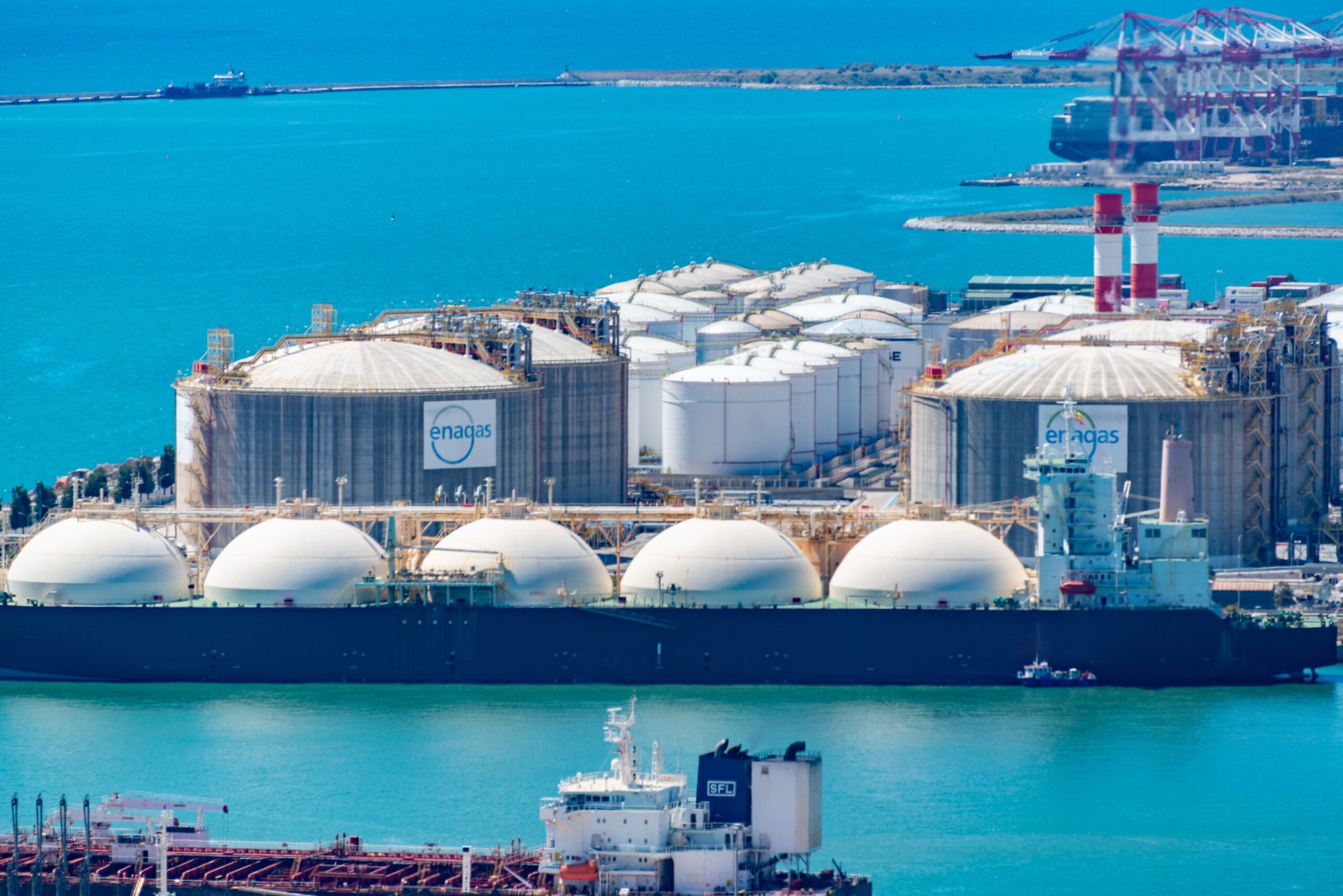
The urgency of the response is underscored by market data. Europe’s benchmark gas price on Tuesday was approximately one-third higher than levels prior to the US-Israeli war with Iran, which began on February 28. The conflict has effectively closed the Strait of Hormuz, a vital shipping route, and Iran has begun attacking regional energy infrastructure. While Europe’s primary oil and gas suppliers—the United States and Norway—are outside the Middle East and the region has not yet experienced physical fuel shortages, airlines have warned that jet fuel constraints could emerge within weeks.
This episode is starkly reminiscent of the 2022 crisis, though with distinct structural differences. Seven months after Russia’s full-scale invasion of Ukraine in February 2022, European Commission President Ursula von der Leyen accused Moscow of manipulating the energy market, declaring, “This is a war on our energy, a war on our economy, a war on our values and a war on our future.” At that time, Russia supplied an estimated 55% of Germany’s natural gas imports, fueling energy-hungry industries in chemicals and car manufacturing.
Since then, the EU has executed a swift pivot away from Russian energy. Today, only 2% of EU oil imports come from Russia, flowing primarily to Hungary and Slovakia. The bloc is on track to end all Russian gas imports, including liquefied natural gas (LNG), by next year. However, the reliance on non-Russian importers has left Europe exposed to other geopolitical bottlenecks, particularly in the Middle East.

Despite these structural changes, frustration persists among policymakers. A European diplomat, speaking anonymously, noted that instead of focusing on long-term competitiveness, leaders are “in a panic over prices, worried about angry voters and scrambling for short-term solutions.” The diplomat described the current situation as a repeat of historical dilemmas: “Different conflict. Same European divisions; same dilemmas over energy. We can’t keep going round in these circles.”
The proposed non-binding measures include requiring businesses to avoid air travel where possible as a stopgap for potential fuel scarcity. The Commission’s plan aims to provide “immediate relief” through tax adjustments while relying on coordinated storage efforts to manage supply stability. As the summit of European leaders in Brussels approaches, the focus remains on whether this lighter-touch approach is sufficient to prevent the energy shock from cascading into broader industrial and consumer price inflation.