
The driver of these hikes is not merely domestic policy but the direct transmission of global market shocks. International benchmark Brent crude oil prices topped $85 per barrel as renewed fighting between the United States and Iran heightened concerns over supply security. Because roughly 20% of global oil supply and liquefied gas (LNG) trade passes through the Strait of Hormuz, its closure has sent ripples through every major energy market. Between February 28 and May 1, 2026, Brent crude surged by 50%, European gas prices rose by 45%, and coal prices increased by 3%. For Türkiye, which meets two-thirds of its energy needs through imported fossil fuels, these global spikes translate directly into a heavier import bill.
The government’s ability to cushion these increases has been deliberately reduced. Prior to the escalation, Türkiye operated a fuel tax buffer mechanism, reintroduced in March following the initial Strait of Hormuz crisis, which allowed the state to absorb up to 75% of fuel price increases through temporary reductions in the special consumption tax (SCT). However, a presidential decree issued earlier this month began phasing out this relief. The system now covers only 50% of price increases through July, dropping to 25% during August and September before expiring entirely on October 1. Consequently, consumers are now forced to bear the full weight of market fluctuations that were previously partially subsidized.
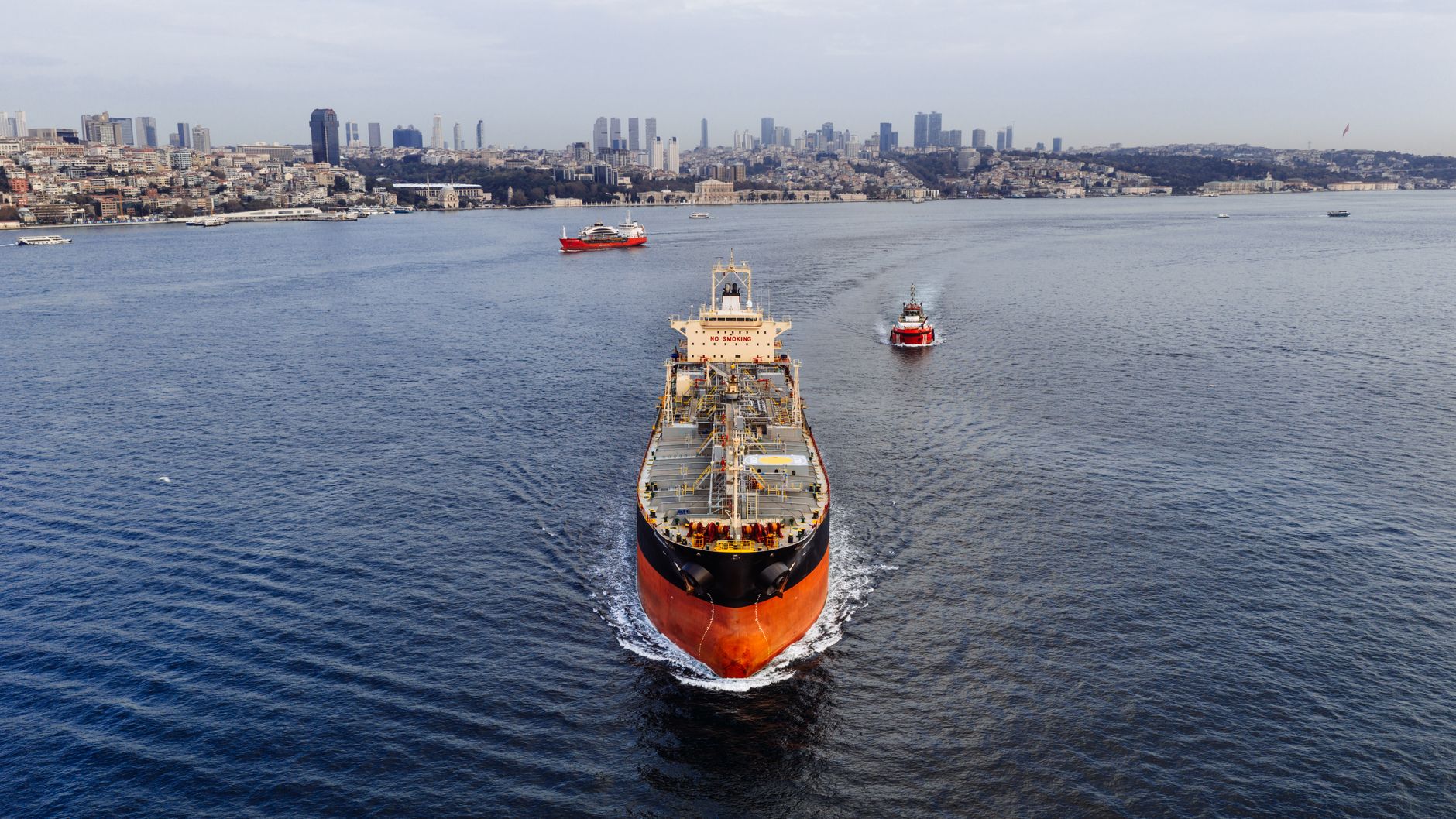
This shift exposes the underlying fragility of Türkiye’s energy mix. The country’s heavy dependence on imported fossil fuels has turned global volatility into a domestic economic risk. Data from the first months of the crisis reveals the scale of the impact: net energy imports in March, April, and May increased by approximately $3 billion compared to the same period the previous year, a 26% rise. If fossil fuel prices remain at the levels seen on May 1, 2026, Türkiye’s total energy import bill could increase by $14 billion from March to the end of the year. This represents a 30% jump in the annual import bill, with around $8 billion of the additional cost stemming from oil and more than $6 billion from gas.
The structural breakdown of this cost is particularly acute for the oil sector. Crude oil imports account for 22% of Türkiye’s total primary energy demand, with an import dependence rate of 83%. The country’s supply chain is heavily concentrated, with Russia providing 46% of its crude oil, followed by Iraq (15%), Kazakhstan (13%), and Saudi Arabia (7%). In 2025, Turkish crude oil imports totaled $16.1 billion, while petroleum products such as diesel added a further $20 billion. The current crisis has exacerbated these figures; the roughly $35 per barrel rise in oil prices between the start of the Hormuz crisis and May 2026 will add $7.7 billion to Türkiye’s costs in 2026 alone.
The economic pressure is not evenly distributed across all sectors but hits transport hardest. Around two-thirds of the additional oil cost, amounting to $5.2 billion, stems directly from road transport. This means that the ₺3.9 increase in diesel prices is not just a nuisance for individual drivers but a critical cost driver for logistics, agriculture, and manufacturing industries that rely on freight and distribution. The cumulative effect is visible in the current pump prices: compared with levels before the conflict, gasoline has climbed by ₺8.24 (14.4%), while diesel has risen by ₺13.49 (22.3%).
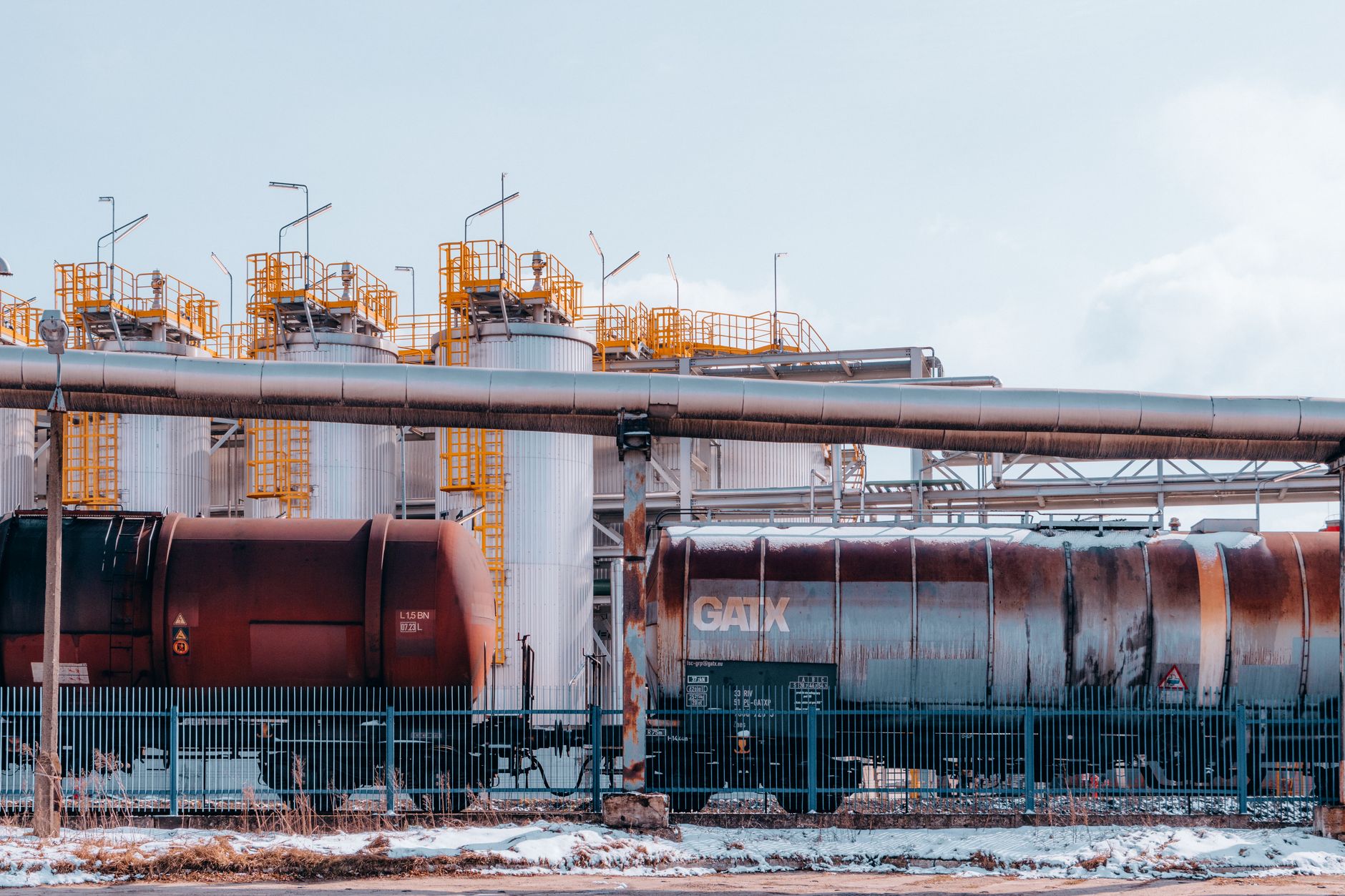
While the growing share of renewables in electricity generation marks an important first step toward reducing this dependency, it has not yet offset the structural reliance on oil and gas in end-use sectors like transport and buildings. Analysts suggest that accelerating the clean energy transition through electrification would be a permanent solution to ease the import burden. For instance, incorporating the 35% electrification target by 2035, as signalled by Türkiye’s COP31 Presidency, into the National Energy Plan could support a lasting reduction in the energy import bill. Without such structural shifts, however, Türkiye remains exposed to the whims of global geopolitics.
As the tax buffer mechanism expires on October 1, the margin of safety for Turkish consumers will vanish entirely. The next verified development to watch is whether the government introduces new fiscal interventions or if the current trajectory of rising pump prices continues to erode household purchasing power. For now, the driver filling up in Istanbul faces a reality where the price of a liter of diesel is no longer just a function of local supply, but a direct reflection of the closure of a strait on the other side of the continent. The $14 billion bill is not a forecast for the distant future; it is the accumulating cost of every liter sold in the current market, a financial weight that will define the economic landscape of the second half of 2026.
