

The decision is anchored in the technical mechanics of the petroleum pricing mechanism overseen by the Oil and Gas Regulatory Authority (OGRA). According to official notifications from the Petroleum Division, the revision is necessitated by global developments, specifically changes in Platts rates, premiums, and incidentals. For the seven days leading up to the adjustment, the average refined petrol price had decreased to USD 124.39 per barrel, down from USD 127.24 on October 16. This decline in the international benchmark translated directly into a lower import cost for domestic consumers. The import cost of petrol fell to Rs275.56 per litre, a drop from Rs279.45, while the import cost of HSD remained stable at Rs289.40 per litre. Consequently, the ex-depot prices were revised to align with these shifting global baselines.
While the headline prices for the two main fuels moved in opposite directions—petrol down, diesel static—the structural components of the price remained largely steady. The government levies and fixed profit margins did not change for this specific revision period. Both petrol and HSD continue to carry a Petroleum Levy of Rs80 per litre and a Climate Support Levy of Rs5 per litre. Profit margins for dealers are set at Rs9.98 per litre, and for oil marketing companies at Rs7.87 per litre. The Inland Freight Equalisation Margin (IFEM) is sustained at Rs7.93 per litre for petrol and Rs4.71 per litre for HSD. This stability in levies and margins indicates that the entire Rs3.93 reduction in petrol prices is attributable to the lower import cost driven by global market movements, rather than a fiscal intervention by the state.
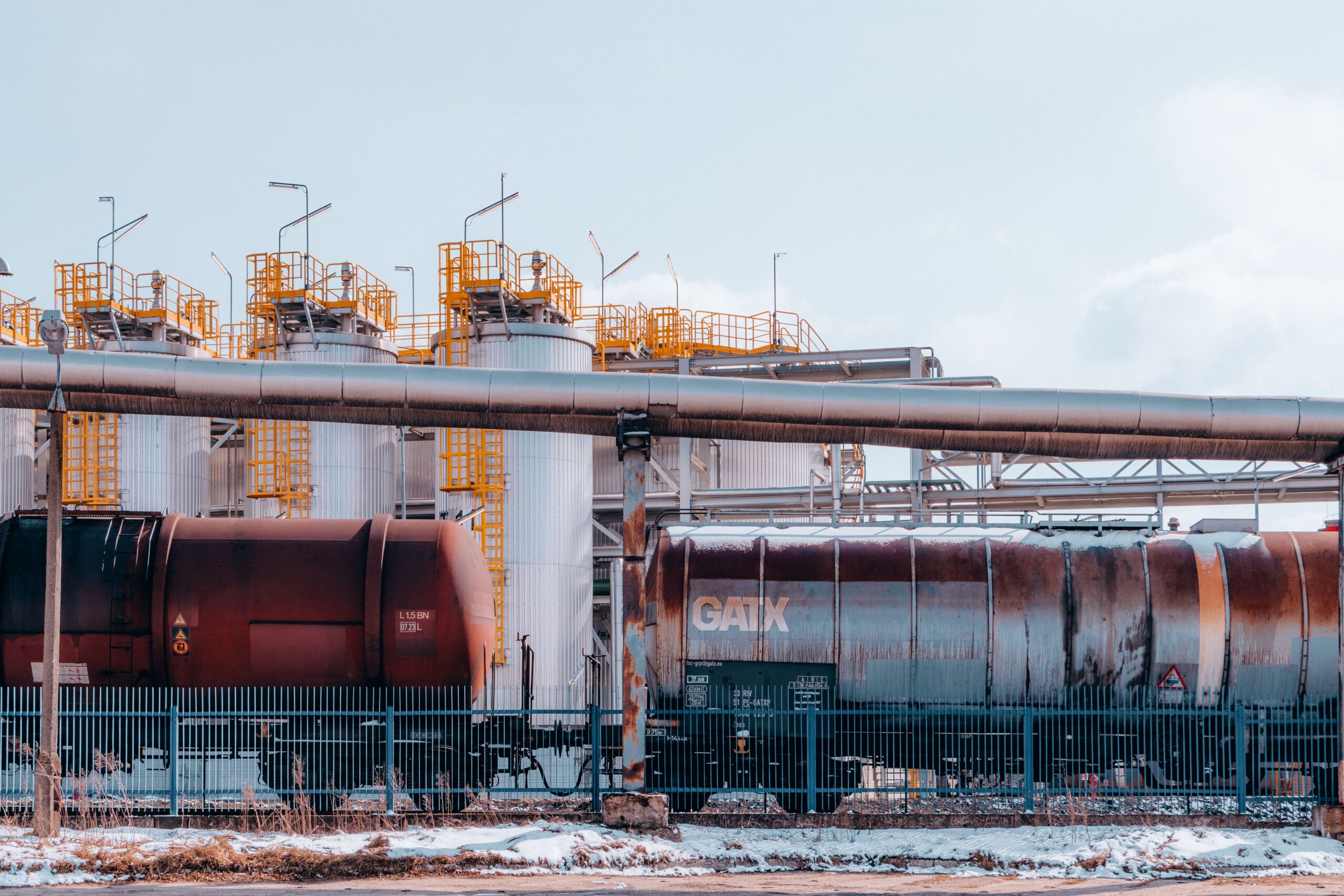
The global context for this adjustment is marked by volatility and geopolitical uncertainty. Oil prices on Friday were heading for weekly gains, driven by uncertainty over Middle East supplies and a larger-than-expected draw from US crude stockpiles. Brent crude futures were up 36 cents, or 0.34%, to $106.28 a barrel, while US West Texas Intermediate (WTI) crude futures dipped 19 cents, or 0.19%, to $97.78. These fluctuations in crude oil contrast with the refined product markets that dictate local pricing. The average refined petrol price had fallen, whereas the HSD price had seen a negligible increase to USD 108.54 per barrel from USD 108.53, explaining why the diesel price was held constant in Pakistan. The market is currently balancing these mixed signals, with European diesel margins dropping after the International Energy Agency (IEA) moved to release more fuel, further complicating the global supply picture.
Recent policy moves suggest a broader strategy to manage fiscal revenue amidst falling international rates. Although the current notification focuses on the three-day price window, broader reporting indicates that the government has previously increased the petroleum levy on petrol and diesel while keeping retail prices steady in response to global oil prices hitting pre-war lows following a US-Iran accord and the reopening of the Strait of Hormuz. This suggests that while the immediate price adjustment is technical, it operates within a framework where the state is managing revenue streams even as global costs decline. The current three-day window is a continuation of this dynamic, with the Petroleum Division ensuring that domestic prices reflect the latest global averages without abrupt shifts in the fiscal burden on consumers or producers.

For consumers, the immediate impact is a slight easing in fuel costs for petrol users over the weekend. The transition from Rs390.23 to Rs386.30 is a direct pass-through of the lower global refined product costs. However, the unchanged diesel price means that industrial and commercial users relying on HSD will not see any relief in their operating costs during this period. The precise application of the pricing mechanism—where import costs are calculated based on seven-day averages of Platts rates—ensures that the local market mirrors global trends with a slight lag, providing a buffer against daily volatility. As the three-day period concludes on October 19, the next revision will likely depend on further movements in global crude and refined product markets, particularly as geopolitical factors continue to influence supply chains in the Middle East and the Americas.