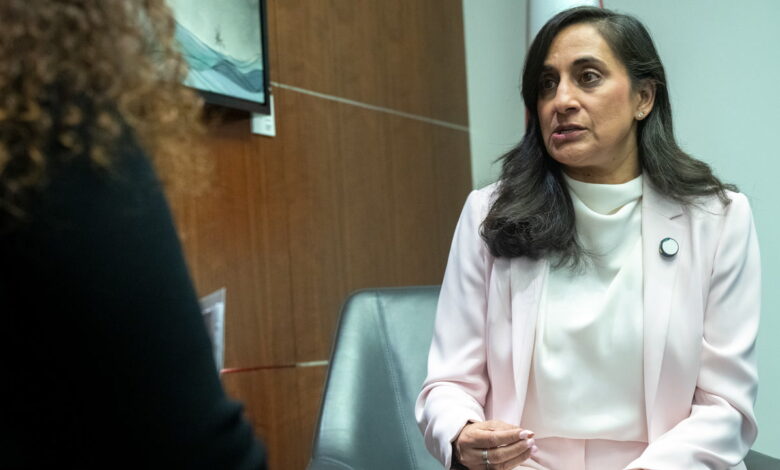
In Dubai, Anand stated that Canada is in a “phase of our foreign policy where we are deeply engaged with countries around the world to ensure that we are standing for peace.” The visit aimed to oppose Iranian aggression, which has included ballistic missile and drone attacks on civilian infrastructure, energy sites, and airports in Gulf states. Anand emphasized Ottawa’s support for the complete reopening of the Strait of Hormuz, a vital artery for global energy supplies. She expressed concern over recent Houthi attacks on Saudi Arabia, particularly strikes on Riyadh airport, and noted that she had contacted Saudi Foreign Minister Prince Faisal bin Farhan to convey Canadian support.
Canada’s stance on Iran remains firm, with the Islamic Revolutionary Guard Corps listed as a terrorist entity under Canadian law for over two years. Recent sanctions announced in September targeted five individuals and five entities accused of involvement in digital surveillance and human rights abuses. Anand highlighted the UAE’s role in regional humanitarian efforts, noting that the country has provided more than $4 billion in aid to Gaza, representing 46 percent of global assistance to the enclave since 2023. She praised Gulf states for maintaining normalcy while responding firmly to Iranian attacks.
Simultaneously, in New Delhi, Anand met with Prime Minister Modi, who described the discussions as productive, covering trade, technology, security, energy, and education. The meetings follow a telephone conversation between Modi and Canadian Prime Minister Mark Carney on October 14, during which both leaders reaffirmed their commitment to conclude CEPA negotiations at the earliest opportunity. A goal of doubling bilateral trade by 2030 was reiterated. The engagement includes Canada’s largest corporate trade delegation to India in three decades, led by International Trade Minister Maninder Sidhu, comprising approximately 300 business representatives exploring sectors such as aerospace, clean technology, and nuclear energy.
Bilateral security cooperation has also advanced, with both nations agreeing on October 8 to deepen coordination against transnational organized crime, terrorism, and cybercrime. This follows a National Security Advisor-level dialogue held in New Delhi. While the UAE is currently the focus of Anand’s counter-aggression diplomacy, India represents a critical economic pivot for Ottawa, which is seeking to reduce reliance on the US market. The Canadian government has invited Syrian Foreign Minister Asaad Al Shibani to visit Canada, signaling a broader strategy of re-engagement with the region as sanctions on Syria are gradually relaxed.
The next major expected event is the proposed visit by Prime Minister Modi to Canada in December, which is intended to further solidify the strategic partnership and finalize ongoing economic negotiations.