The postponement follows a significant escalation in regional hostilities. On October 10, Houthi forces launched an attack on King Khalid International Airport in Riyadh. The strike resulted in at least twelve fatalities and more than 300 injuries, marking a direct threat to the capital’s critical infrastructure and diplomatic stability. This incident, along with a broader pattern of missile and drone attacks on the kingdom in recent weeks, created an environment deemed unsafe for the large-scale in-person assembly of global business leaders, government officials, and investors that the FII typically hosts.
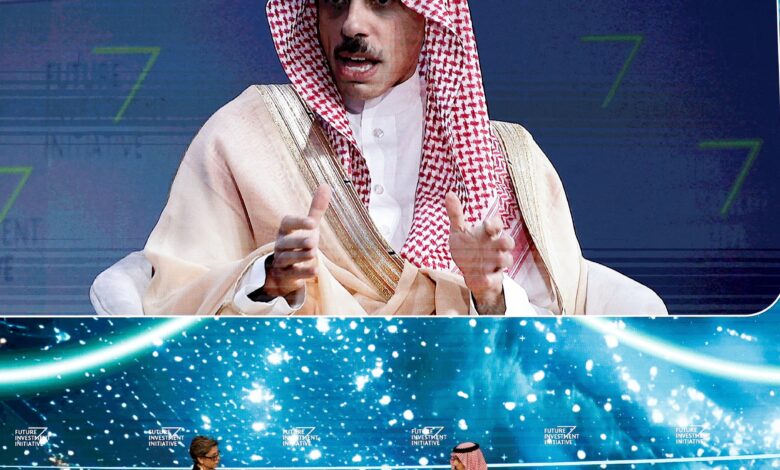
The Future Investment Initiative is widely regarded as a central tool in Crown Prince Mohammed bin Salman’s economic diversification strategy, often described as “Davos in the desert.” Its primary objective is to lure foreign capital into Saudi Arabia’s non-oil sectors, supporting the Vision 2030 agenda. The disruption of this event represents a tangible obstacle to these efforts, occurring at a time when the kingdom is already under financial pressure due to the costs of managing the escalating conflict with the Houthis.
The security concerns were palpable among the financial sector even before the formal announcement. According to reports, bankers from major institutions including JPMorgan Chase and Citigroup were already canceling planned meetings in Riyadh. Teams associated with CEOs Jamie Dimon and Jane Fraser were reportedly debating whether to make the trip, highlighting the tangible impact of the security situation on high-stakes business travel and face-to-face negotiations. The abandonment of plans for an in-person event on Monday, with a final decision on postponement expected by Tuesday, signaled that the risk assessment had shifted decisively against hosting the physical summit.
For energy and broader markets, the postponement underscores the deepening link between regional geopolitical instability and economic planning in the Gulf. While the FII is not solely an energy conference, it plays a crucial role in signaling Saudi Arabia’s openness to international investment in energy transition technologies, infrastructure, and industrial expansion. The delay to 2027 removes a near-term catalyst for announcements in these sectors and injects uncertainty into the timeline for projects that may have relied on the conference’s visibility to secure final investment decisions.
The security environment remains the primary driver of this decision. The Houthi attacks have targeted not only strategic military assets but also civilian and economic hubs, including the airport that serves as a gateway for international delegations. The inability to guarantee the safety of attendees and their assets has forced the organizers to prioritize security over the economic benefits of the gathering. This shift highlights the vulnerability of major economic events to regional conflict, a risk factor that investors and policymakers must now factor into their assessments of the region’s stability.
As the kingdom navigates this security challenge, the postponement serves as a reminder of the complex interplay between defense, diplomacy, and economic development. The next major milestone for the FII is now set for 2027, a date that will require a significantly different security landscape and geopolitical context. Until then, the focus for Saudi economic policy will likely remain on managing the immediate financial and security implications of the Houthi conflict, while quietly continuing outreach efforts through digital and bilateral channels to maintain investor confidence.