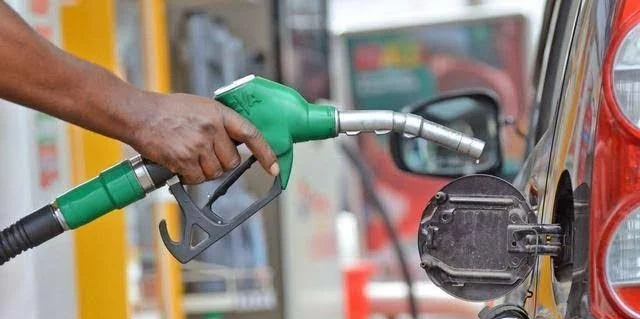
The intervention requires the Nigerian National Petroleum Company Limited (NNPC) retail arm to sell petrol at cost, forgoing profit margins, while establishing a wholesale benchmark of N1,350 per litre. Under this mechanism, refiners and importers are expected to absorb costs above the threshold, with losses recoverable when crude oil prices decline. The government asserts that no public funds from the federal budget or Federation Account are being used, distinguishing the measure from the previous subsidy regime which ended in May 2023. However, BMI warns that if the mechanism becomes entrenched, it could reduce NNPC remittances to the government, limiting resources for infrastructure, public services, and security.
BMI identifies several macroeconomic risks, including potential pressure on the naira if discounted fuel encourages cross-border smuggling, which would increase foreign exchange demand. The report also notes that prolonged price controls could undermine investor confidence in the downstream sector, specifically affecting the Dangote Refinery and its planned initial public offering. The firm maintains its forecast that Nigeria’s budget deficit will widen from 1.7% of GDP in 2025 to 3.3% in 2026, citing fiscal pressures ahead of the January 2027 general elections. The projection of a six-month duration partly reflects expectations that global crude oil prices may decline following a potential United States-Iran agreement in early 2027.
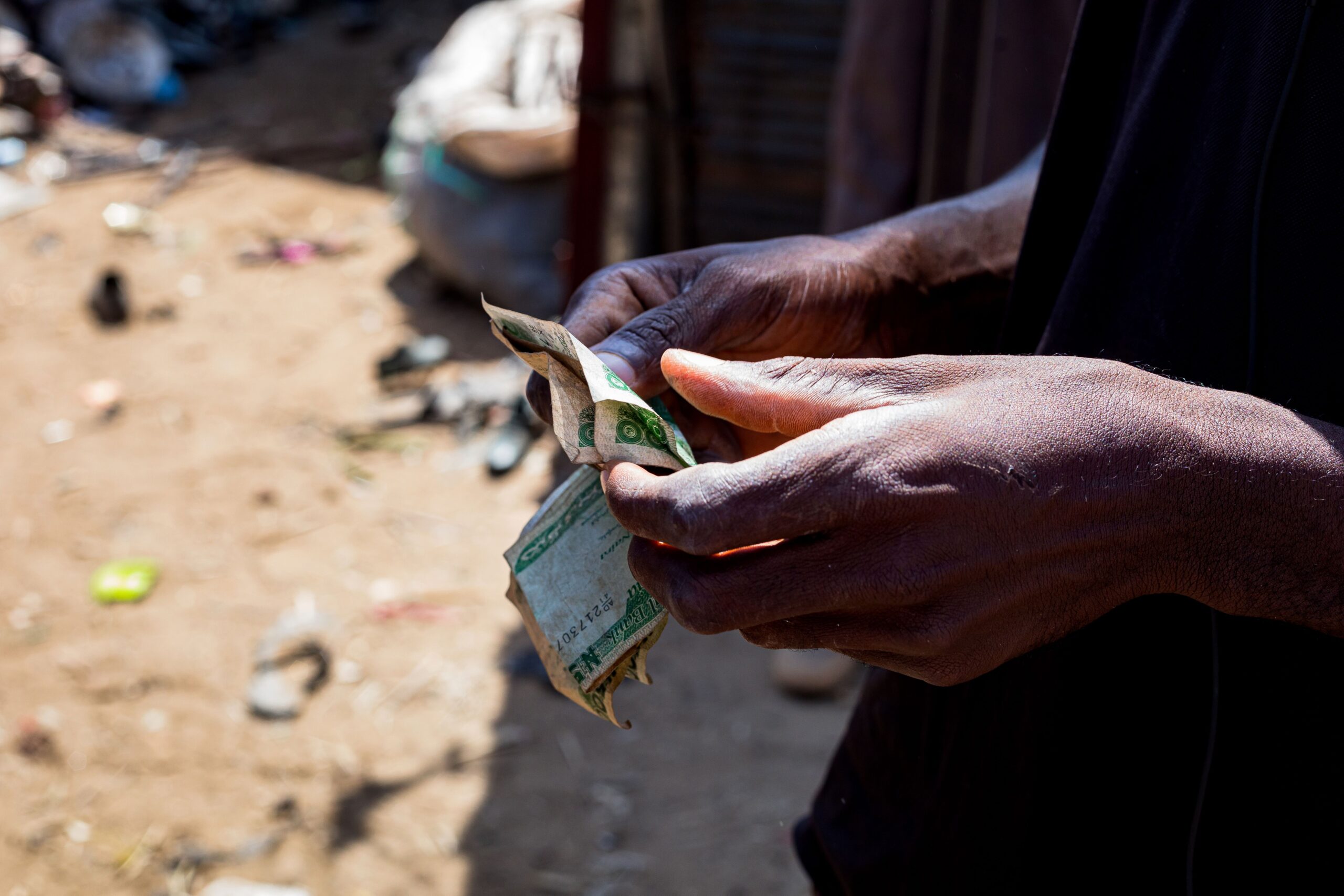
In response to ongoing debates about fuel pricing, Rodrigo Valdés, Director of the IMF’s Fiscal Affairs Department, has advised against reinstating broad-based petrol subsidies. Speaking at the 2026 Annual Meetings in Bangkok, Valdés stated that blanket fuel subsidies are fiscally costly and regressive, as they disproportionately benefit higher-income consumers who use more fuel. He noted that measures preventing energy prices from reflecting external shocks have cost countries between 1% and 1.5% of GDP in 2026. “Protecting people is not the same as protecting the price of fuels,” Valdés said, urging the government to use social safety nets and household data to target assistance to vulnerable populations rather than suppressing market prices.
The government’s current strategy combines the NNPC retail discount with other measures, including forward crude sales to domestic refineries, the establishment of a national strategic fuel reserve, and expanded cash transfers for vulnerable households. While BMI views the forward sale of crude oil to domestic refineries as a promising measure for improving local supply, it cautions that failure to withdraw the temporary retail intervention could turn the relief package into a long-term fiscal burden. The next significant operational milestone is the phased withdrawal of the discount mechanism, which BMI expects to occur between late Q1 and early Q2 2027.