
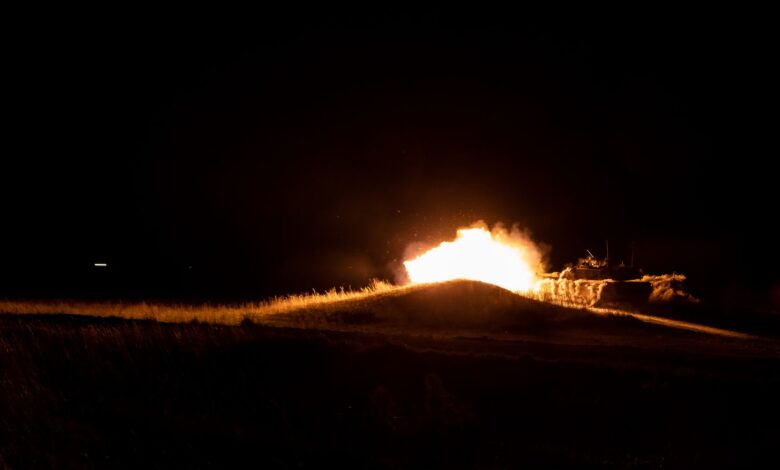
The tragedy occurred within the confines of a military installation in Alberta, a province located in western Canada. While the specific causes of the fire are not detailed in the immediate official releases, the scale of the casualties—four fatalities and dozens of injuries—indicates a catastrophic failure in safety or a structural emergency of considerable magnitude. The term “peacetime tragedy” used by the Prime Minister distinguishes this event from combat-related losses, highlighting that these soldiers were serving in a domestic capacity when the disaster struck. This distinction carries weight in military culture and public perception, as it represents a loss of life within the home country’s borders, a scenario that is rarely encountered and deeply unsettling for both the service members and the civilian population.
Prime Minister Carney’s description of the event as one of the “worst” in recent history places the incident in a specific historical context within the Canadian Forces. While the provided source material does not list previous comparable incidents, the language suggests that such high-casualty peacetime events are exceptionally rare. The use of the word “tragedy” reflects the official stance of profound sorrow and shock. In the absence of further details on the military operations taking place at the base at the time of the fire, the focus remains on the human cost and the immediate administrative response to the disaster.
The impact of such an event extends beyond the immediate loss of life and injury. In military organizations, incidents of this nature often trigger comprehensive internal reviews into safety protocols, infrastructure maintenance, and emergency response procedures. Although no specific policy changes or investigations have been announced in the available text, the characterization of the event by the head of state implies a likely scrutiny of the conditions that allowed the fire to become so deadly. The “dozens injured” figure suggests a significant number of personnel required medical attention, which would place a strain on local medical facilities and military medical support systems in the region.
There is a notable lack of information regarding the specific location of the base within Alberta, the rank or role of the deceased soldiers, or the exact time the fire broke out. The source material is limited to the Prime Minister’s statement and the basic factual outcomes: four deaths and dozens of injuries. This scarcity of detail is typical in the immediate aftermath of a sudden disaster, where official confirmations are prioritized over speculative reporting. It also serves as a reminder of the limits of current knowledge; without further data on the cause—whether electrical, mechanical, or otherwise—any analysis of responsibility or prevention remains speculative.
The economic and social implications of such a tragedy are complex. While not a direct market event, the loss of four military personnel and the injury of many others represents a significant human capital loss for the nation. The military operates under strict budgetary and logistical constraints, and an incident of this scale may necessitate additional resource allocation for recovery, investigation, and support for the affected families and injured personnel. However, the provided source does not contain specific financial figures, budgetary impacts, or economic analyses. Therefore, any discussion of economic effects must remain restrained and focused on the human and institutional dimensions described in the official statement.
The reaction of the broader public and political sphere is likely to be one of mourning and demand for accountability. The Prime Minister’s public acknowledgment of the tragedy signals the government’s intent to manage the narrative with gravity and respect. In the absence of conflicting reports or differing accounts from other sources, the official statement stands as the primary record of the event. There are no noted disagreements between sources in the provided material, as only one source is cited. This singular perspective ensures that the facts presented are consistent, though limited in scope.
As the investigation into the fire proceeds, attention will likely turn to the specific conditions that led to the disaster. The term “peacetime” serves as a stark reminder that risks persist even in the absence of external threats. The focus for the Canadian military and government will now be on supporting the injured, honoring the deceased, and determining the root causes to prevent future occurrences. The incident will remain a focal point for discussions on military safety and infrastructure resilience in Canada.
Returning to the scene of the incident in Alberta, the base now stands as the site of a significant national tragedy. The next steps in the process will likely involve detailed forensic analysis and official reports from military and civilian authorities. The immediate pressure is on the government to provide transparent information regarding the cause and the support systems being put in place for the affected individuals and their families. The event has shifted the focus of national discourse to the safety and welfare of those who serve, highlighting vulnerabilities that may have been previously overlooked in the routine operations of the armed forces.


One Comment