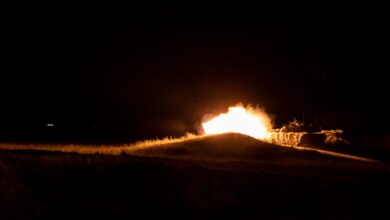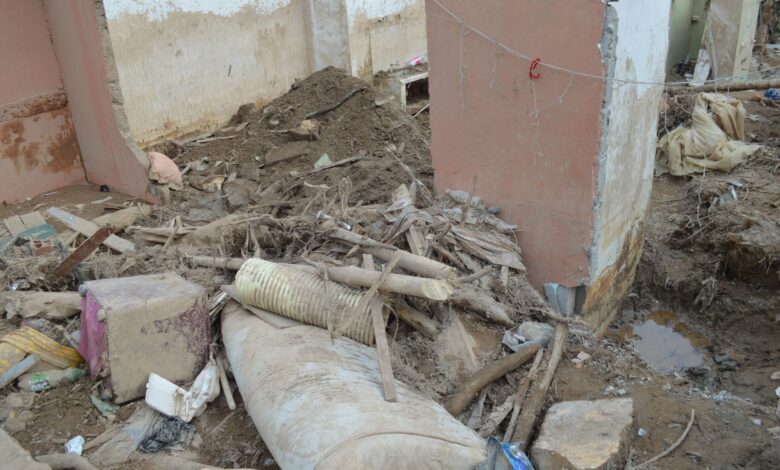
The attack in al-Dibab is not an isolated incident but part of a broader, accelerating trend in the Sudanese civil war. Volker Turk, the UN High Commissioner for Human Rights, addressed the UN Human Rights Council in Geneva on Monday, revealing that more than 1,000 civilians have been killed in drone strikes in the first five months of 2026. Turk described the shift as a “sharp increase in the use of drone warfare,” noting that the conflict has expanded and escalated significantly. This data aligns with earlier reports from the Armed Conflict Location and Event Data Project (ACLED), which stated in June that Sudan’s war had transformed into a drone-dominated conflict. Between January and April of this year, drone strikes accounted for at least 880 civilian deaths, representing more than 80% of all conflict-related civilian fatalities in the country.
The mechanics of this warfare are changing the nature of the conflict and its impact on the population. The war, which erupted from a power struggle between the Sudanese Armed Forces (SAF) led by Gen Abdel Fattah al-Burhan and the paramilitary Rapid Support Forces (RSF) led by Mohamed Hamdan Dagalo, has seen both sides rapidly adapt their tactics. ACLED observed that the belligerents are engaged in a “relentless race to recalibrate,” even to the point of “drone-on-drone combat.” This technological escalation has allowed attacks to reach areas previously less accessible to traditional aerial bombardment, such as the crowded transport hubs in West Kordofan, which remains under RSF control. The RSF-declared administration, known as Tasis, has accused the army of carrying out the al-Dibab strike, while the SAF maintains that its operations target RSF fighters. The ambiguity of attribution is a recurring theme in the conflict, with both sides frequently disputing the civilian toll and the origins of attacks.
This intensification of hostilities has exacerbated what the UN has termed the world’s largest humanitarian crisis. Current estimates indicate that approximately 13.6 million people are displaced, with over 20 million requiring health assistance and 21 million desperately needing food, according to the World Health Organization. The death toll remains a subject of significant disagreement among trackers. While ACLED reports approximately 56,000 people killed, other estimates range up to 150,000 or higher. Beyond the physical casualties, the UN has documented “rampant” levels of sexual violence, including rape, and human rights groups have alleged that fighting includes mass rape and ethnically motivated killings that constitute war crimes and crimes against humanity.
The conflict has also drawn in regional dynamics, complicating diplomatic efforts. Last week, Rosemary DiCarlo, the UN undersecretary-general for political and peacebuilding affairs, warned the Security Council that the crisis was deteriorating “with no breakthrough on the horizon.” She noted that the warring parties did not appear to be moving closer to dialogue, instead believing that continued external support would allow them to pursue objectives by force. This sentiment was reinforced by recent accusations from Sudan against its neighbors. Sudan’s foreign minister, Mohieddin Salem, accused Ethiopia and the United Arab Emirates (UAE) of orchestrating drone strikes on Khartoum’s international airport and military installations in the Greater Khartoum area. The Sudanese army claims to have “conclusive evidence” that the drones were launched from Bahir Dar airport in Ethiopia. In response, Ethiopia called the accusations “baseless,” while the UAE dismissed them as “unfounded accusations and deliberate propaganda” intended to deflect responsibility. Sudan has recalled its ambassador to Ethiopia for consultations, signaling a diplomatic rift that mirrors the military escalation.
The economic and social fabric of Sudan is under immense strain. The war has disrupted trade, displaced millions, and created a famine in parts of the country. The use of drones has not only increased casualties but has also raised concerns about the role of automation in warfare. Turk emphasized that “autonomous weapons cannot become a license for atrocity crimes,” highlighting the urgent need for stronger international regulations governing such systems. The destruction of infrastructure, including the temporary suspension of operations at Khartoum’s main airport following recent strikes, further isolates the country and hampers humanitarian access. The airport, a major battleground since the war’s inception, had seen its first direct international commercial flight in three years just a week before the latest attack, a fragile sign of normalization that was quickly shattered.
As the first half of 2026 concludes, the trajectory of the conflict shows no sign of reversal. The shift from conventional ground combat to a drone-dominated war has increased the lethality of the conflict for civilians, particularly in areas where populations gather for essential services like transport and markets. The diplomatic tensions with Ethiopia and the UAE suggest that external factors are playing a critical role in sustaining the war, making a ceasefire increasingly difficult to negotiate. For the people of Sudan, the daily reality is one of heightened danger, where the end of a market day can be as perilous as the front lines. The coming weeks will be critical as the UN continues to monitor the “sharp” increase in drone use and as regional powers continue to exert influence on the battlefield. The next phase of the conflict will likely be defined by the continued proliferation of autonomous weapons and the ability of international bodies to enforce accountability in the face of such rapid technological adaptation.