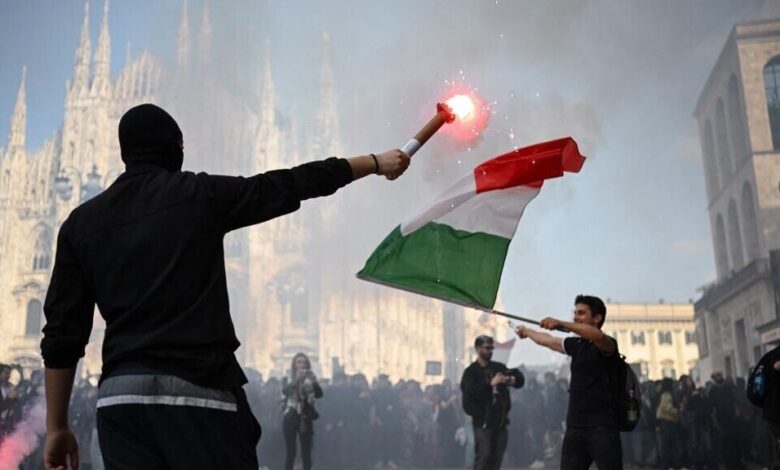
The deployment is part of a broader package of security measures also approved by the cabinet on Tuesday. These measures include legislative changes making the detention of minors easier and the introduction of a new criminal offense defined as “violent participation in a demonstration.” The new laws aim to provide law enforcement with greater tools to manage and quell public disorder.
The unrest has extended beyond the streets, impacting key economic sectors. Reports indicate that the fuel price protests have disrupted pasta production and food deliveries in southern Italy, highlighting the tangible economic consequences of the demonstrations. The involvement of military forces signals an attempt by the state to restore order in Milan, a major economic hub, where tensions have peaked.
The cabinet’s decision distinguishes between immediate security responses and long-term legislative adjustments. While the troop deployment is an executive action to address the current crisis, the changes regarding minor detention and violent participation in protests represent formal legal shifts. These provisions are designed to address specific behaviors observed during the recent clashes, such as the involvement of younger individuals and acts of violence directed at authorities or property.
France 24 correspondent Seema Gupta reported from Rome on the developments. The government’s actions were framed as necessary to maintain public safety and protect essential services, which have been compromised by the protests. The approval of these measures follows a period of heightened tension where civil disobedience has intersected with economic disruption.
The introduction of the crime of “violent participation in a demonstration” sets a specific legal threshold for criminal liability. This provision targets actions that go beyond standard protest activities, specifically those involving violence. Similarly, the easing of detention procedures for minors allows for quicker judicial processing of young participants involved in disorderly conduct.
The situation in southern Italy, where pasta production and food logistics have been affected, underscores the geographic spread of the protest impact. While the immediate military response is focused on Milan, the underlying grievances regarding fuel prices appear to have national implications for supply chains and industrial output. The government has not announced a specific timeline for the withdrawal of troops, leaving the duration of the security operation dependent on the de-escalation of tensions.
No further legal steps or additional votes were scheduled in the immediate aftermath of Tuesday’s cabinet meeting, according to available information. The focus remains on the implementation of the approved security protocols and the monitoring of protest activities in key cities. The government maintains that these steps are proportionate to the level of violence observed and necessary to ensure the continuity of essential services.