

The delivery comes after Russia suspended the transit of crude from Kazakhstan to Germany via the Druzhba pipeline on May 1. The route had become increasingly important after Germany stopped importing Russian oil following Moscow’s invasion of Ukraine. Russia’s pipeline operator, Transneft, cited technical constraints as the reason for the suspension, a claim supported by Kazakhstan’s Energy Minister, who noted that recent attacks on Russian energy infrastructure likely caused a lack of technical capacity. Consequently, Kazakhstan shipped no crude to the PCK refinery in May through the Atyrau-Samara-Druzhba route.
The suspension removed approximately 17% of the crude processed annually by the PCK refinery, one of Germany’s largest. The facility supplies approximately 90% of the gasoline, diesel, jet fuel, and heating oil consumed in Berlin and the neighboring state of Brandenburg, and it exports around 2 million tons of refined fuels annually to western Poland. To mitigate the loss, Germany has been in talks with Poland to move replacement barrels through Gdańsk. Reuters reported in April, citing three industry sources, that Russia planned this halt, which would impact roughly 43,000 barrels per day of supply.
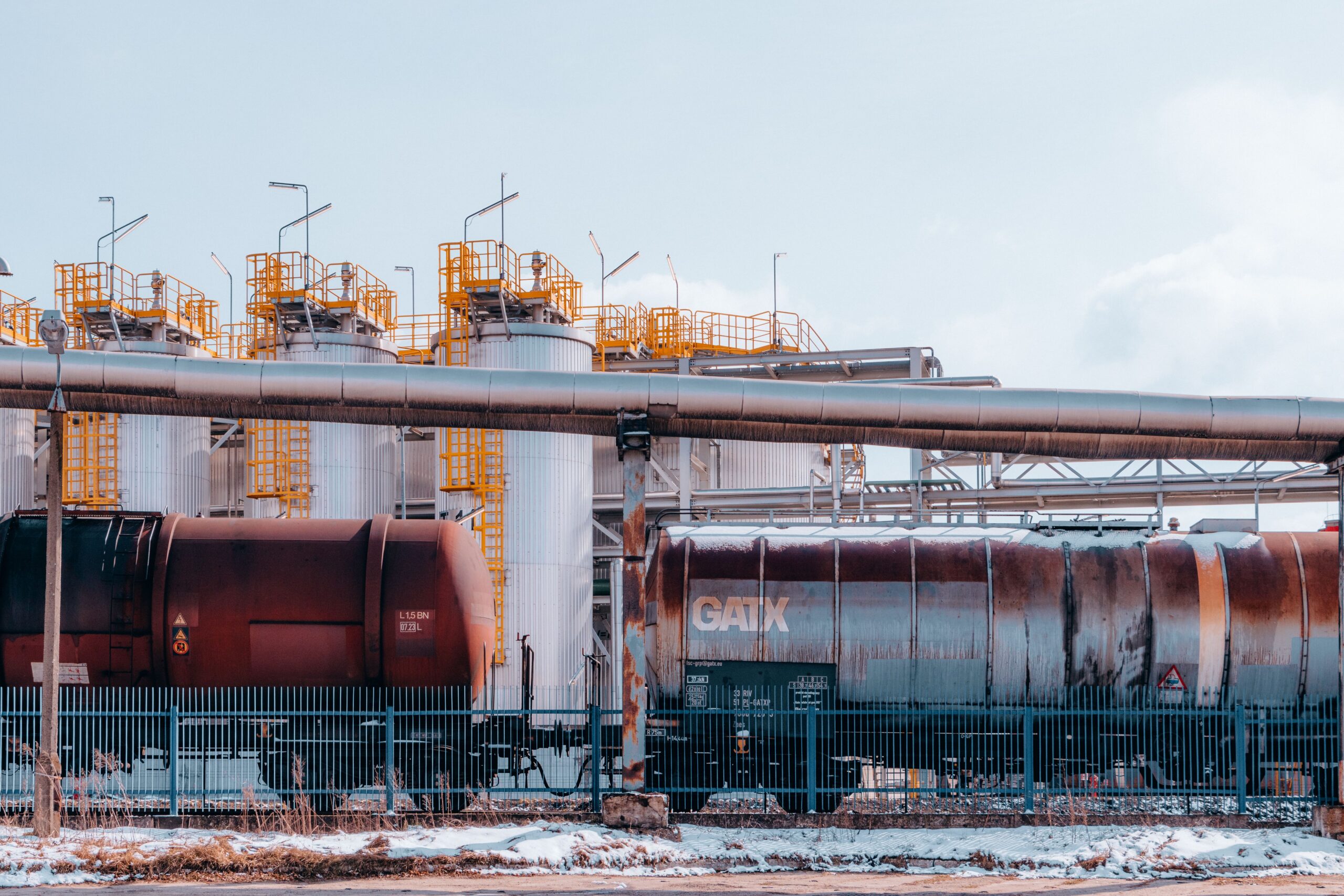
Kazakhstan began supplying crude to the Schwedt refinery through Druzhba in 2023 as Germany sought to replace Russian oil. Exports rose steadily, reaching 1.5 million tons in 2024 and 2.146 million tons in 2025, a 44% year-on-year increase. Shipments totaled 730,000 tons in the first quarter of 2026. Annual exports had been expected to rise to about 2.5 million tons, enough to meet roughly 30% of the refinery’s crude requirements. Replacing pipeline crude with seaborne barrels is rarely a one-for-one swap, as port access, shipping schedules, and refinery configurations present logistical challenges.
Poland’s PERN also stated that a new deep-water terminal is being built at the Naftoport facility in Gdańsk. Once completed, the terminal will be able to receive VLCC-class tankers, potentially allowing oil transshipment capacity in Gdańsk to reach 9 million tonnes per year. While the refinery has increasingly relied on Baltic routes and Germany’s Rostock port, those channels have limited capacity. The episode highlights a vulnerability in European oil security, where infrastructure can be diversified on paper but remains concentrated in practice, with the Druzhba pipeline still running through Russia.
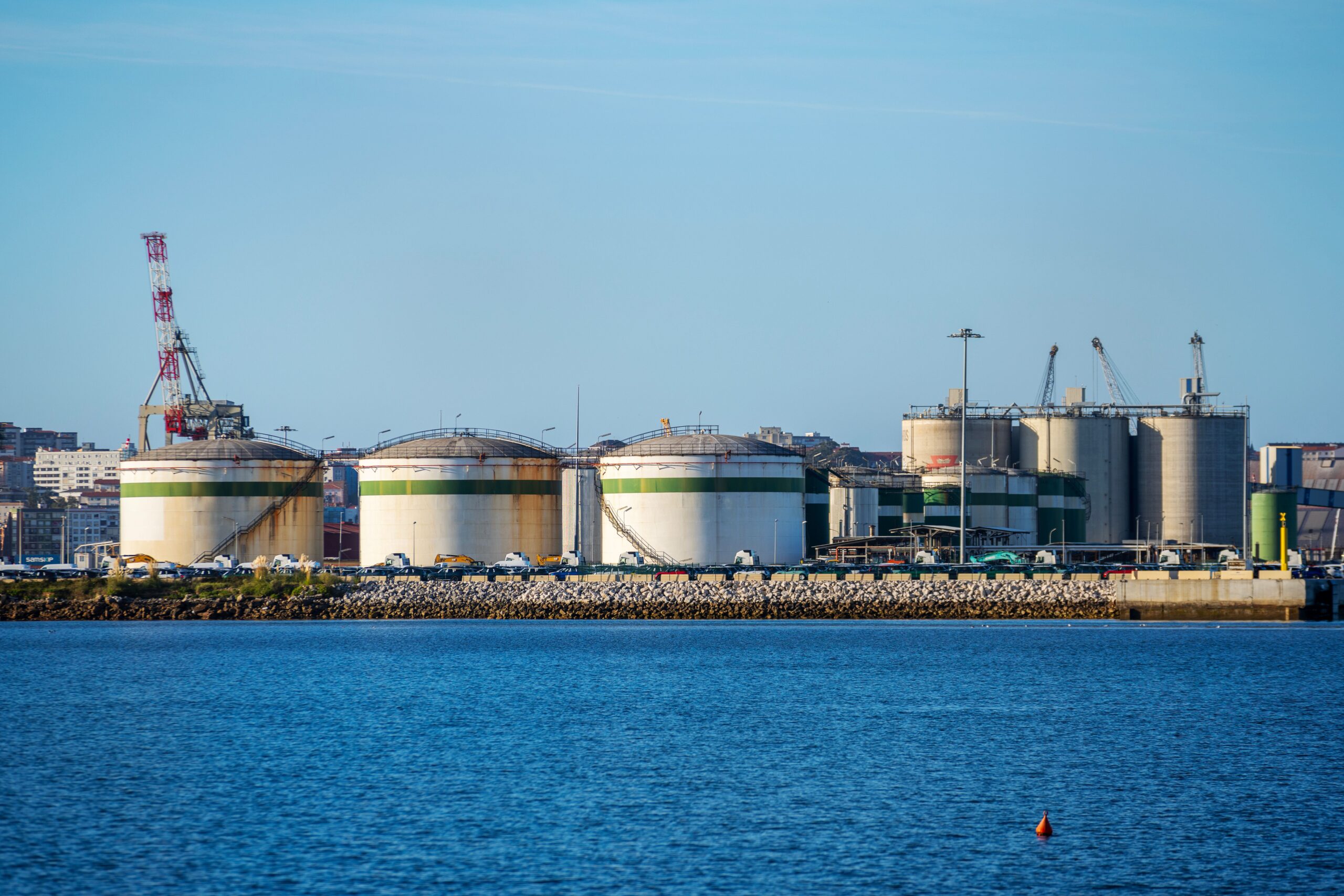
The PCK refinery is majority-owned by Rosneft Deutschland, which has been under German government trustee administration. The successful delivery of this South American cargo demonstrates the feasibility of using Polish infrastructure to secure non-Russian supply routes, adding a layer of logistics security to European fuel markets.



One Comment