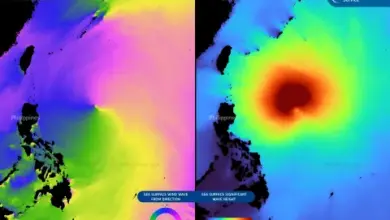
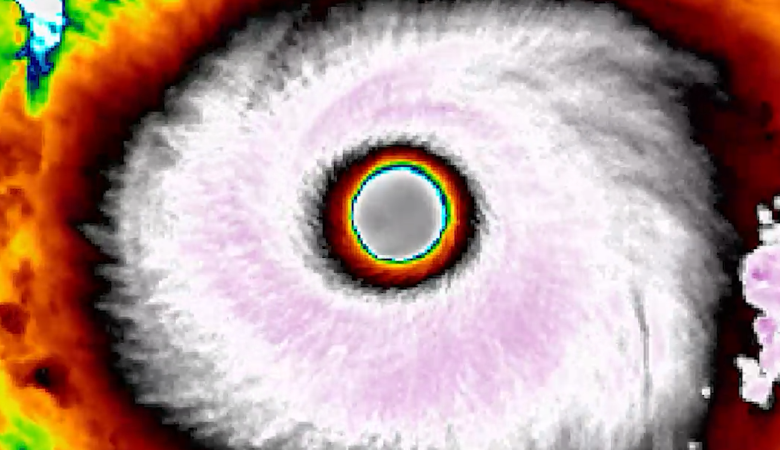
The formation of such a powerful cyclone occurs within a broader context of climate variability and change. Recent data indicates that this year’s El Niño event has strengthened sufficiently to be classified as a “super El Niño.” Meteorologist Chris Warren, along with CNN Senior Climate Reporter Andrew Freedman, has explored what scientists mean by describing an El Niño as the “strongest on record.” While El Niño is a natural oscillation in sea surface temperatures, its interaction with a warming climate can fuel the energy available for tropical cyclones. The presence of a super El Niño suggests that the atmospheric conditions are ripe for more intense weather systems, a pattern that aligns with the unprecedented strength of Champi.
Scientific research continues to refine our understanding of how these storms impact populations and infrastructure. To help communities prepare for hurricanes and typhoons, scientists have studied 40 tropical cyclones and identified eight distinct ways in which storm surge hits coastal areas. These findings are critical for adaptation strategies, as storm surge often causes more damage than wind alone. However, the link between individual storm intensity and long-term climate change requires careful attribution. While the overall trend of warming oceans provides more energy for storms, attributing the specific 185 mph wind speed of Champi solely to anthropogenic warming without robust attribution studies would be scientifically premature. The current evidence points to a complex interplay of natural variability, such as the strong El Niño, and broader climatic shifts.
The environmental impacts of a warming climate extend far beyond tropical cyclones, influencing ecosystems and economies in diverse ways. In France, a series of heat waves struck this summer, prompting wine regulators to loosen rules around champagne production to accommodate altered growing conditions. This adjustment reflects the direct economic pressure that extreme heat places on traditional industries. Similarly, as temperatures rise globally, honeybees are spending more energy cooling their hives rather than pollinating, a shift that experts warn could affect food supplies by reducing pollination rates. These examples illustrate how thermal stress is reshaping biological behaviors and agricultural practices.
In other parts of the world, climate change is driving northward migrations and altering habitat availability. Humpback, fin, and minke whales, once rare sights near Greenland’s Scoresby Sound, are becoming more common as warming waters shift the distribution of prey and viable living spaces. Conversely, in Chile’s Atacama Desert, El Niño helped set the stage for rare precipitation, awakening dormant seeds for a fleeting display of wildflowers. This phenomenon, known as a “super bloom,” demonstrates the dual nature of climate variability: it can bring temporary ecological bursts in arid regions while simultaneously fueling destructive storms in others.
Human activity and natural phenomena continue to intersect in complex ways across the globe. Satellite research has uncovered the potential origins of the Darvaza gas crater in Turkmenistan, a methane fireball that has been burning for decades, highlighting the long-term environmental footprint of energy extraction. Meanwhile, in New York, a 35-year study reveals how climate factors, including the presence of specific nuts, can help predict an area’s risk for Lyme disease, with tick populations causing a noticeable jump in emergency room visits every October. These studies underscore the importance of long-term data in understanding how climate changes affect public health and biodiversity.

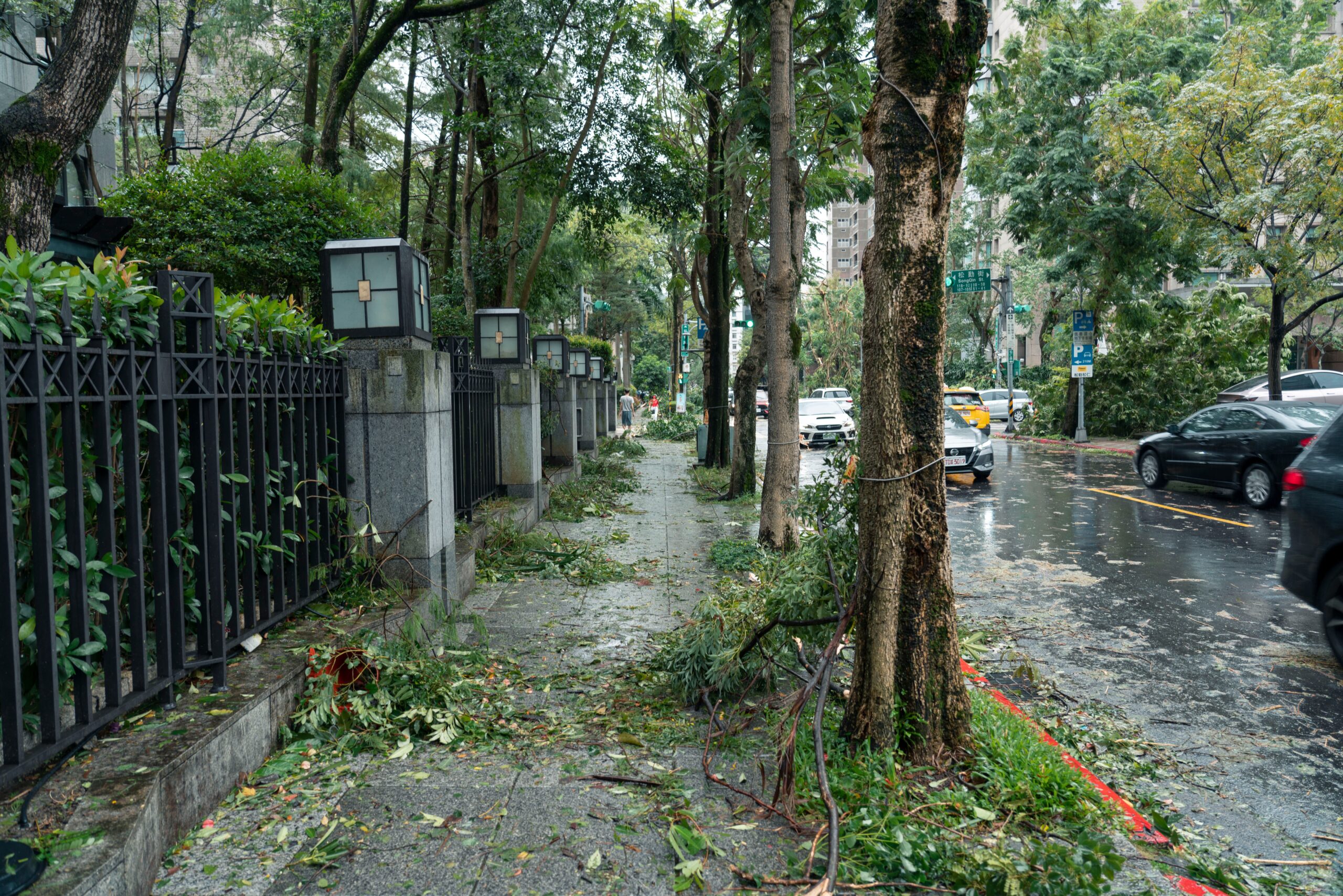
Despite the dramatic imagery of storms and blooms, the scientific community maintains a disciplined approach to interpretation. Observations such as the “super El Niño” and the intensity of Super Typhoon Champi are documented facts, but projections of future trends remain subject to uncertainty. The data shows a strengthening of certain climate patterns, but the precise trajectory of individual storm intensifications varies. Policy responses, such as the relaxation of wine regulations in France or the closure of schools in Taipei, are immediate adaptations to documented local impacts. However, broader adaptation strategies require continued monitoring and research to distinguish between natural variability and long-term anthropogenic influence.
As Super Typhoon Champi makes landfall or passes through the region, the focus remains on the immediate safety of residents and the infrastructure that supports them. The closure of the Taiwan stock exchange and public institutions is a precautionary measure grounded in the documented threat of strong winds and heavy rainfall. The storm’s strength, while currently the highest of the year, serves as a reminder of the dynamic and often volatile state of the global climate system. The next verified development will be the post-storm assessment of damage and the evaluation of how the “super El Niño” conditions continue to influence weather patterns in the coming months.