
According to the cited internal papers, new collective bargaining guidelines taking effect globally from the fourth quarter of 2026 would encompass the pay freeze, alongside reductions in variable remuneration, benefits, and special payments. The restructuring package also includes enhanced productivity targets, greater working-time flexibility, decreased overtime, and headcount reductions in non-production areas. However, the documents note that regional conditions will be evaluated, meaning an identical wage halt may not be implemented uniformly across every brand, business unit, or market.
VW has declined to confirm the specific details, stating it does not comment on “such speculation.” A company spokesman emphasized that the upcoming negotiation round is the appropriate venue to discuss internal company agreements. The consideration of a long-term freeze follows the supervisory board’s approval last month of “Future Plan 2030,” which includes approximately 50,000 group-wide job cuts, including management roles.

The proposal has drawn sharp criticism from labor representatives. A spokesman for VW’s global group works council warned that “wishful thinking on the part of the Wolfsburg employers’ side cannot become a reality,” emphasizing that the board must recognize the implications for employees. In Germany, 130,000 employees covered by the company collective agreement had already postponed an agreed 5.5% pay increase under a 2024 austerity package. Economic researchers anticipate inflation of around 3% this year and next, meaning multi-year wage stagnation would likely diminish real incomes for workers.
Tensions are rising as trade union IG Metall seeks a 5% pay increase in forthcoming negotiations. While industrial action in the broader metal sector may commence in November, strikes at VW facilities are possible from January. The company’s cost-cutting drive aims to stabilize its financial position through 2030, but the proposed freeze threatens to exacerbate labor unrest across its global operations.
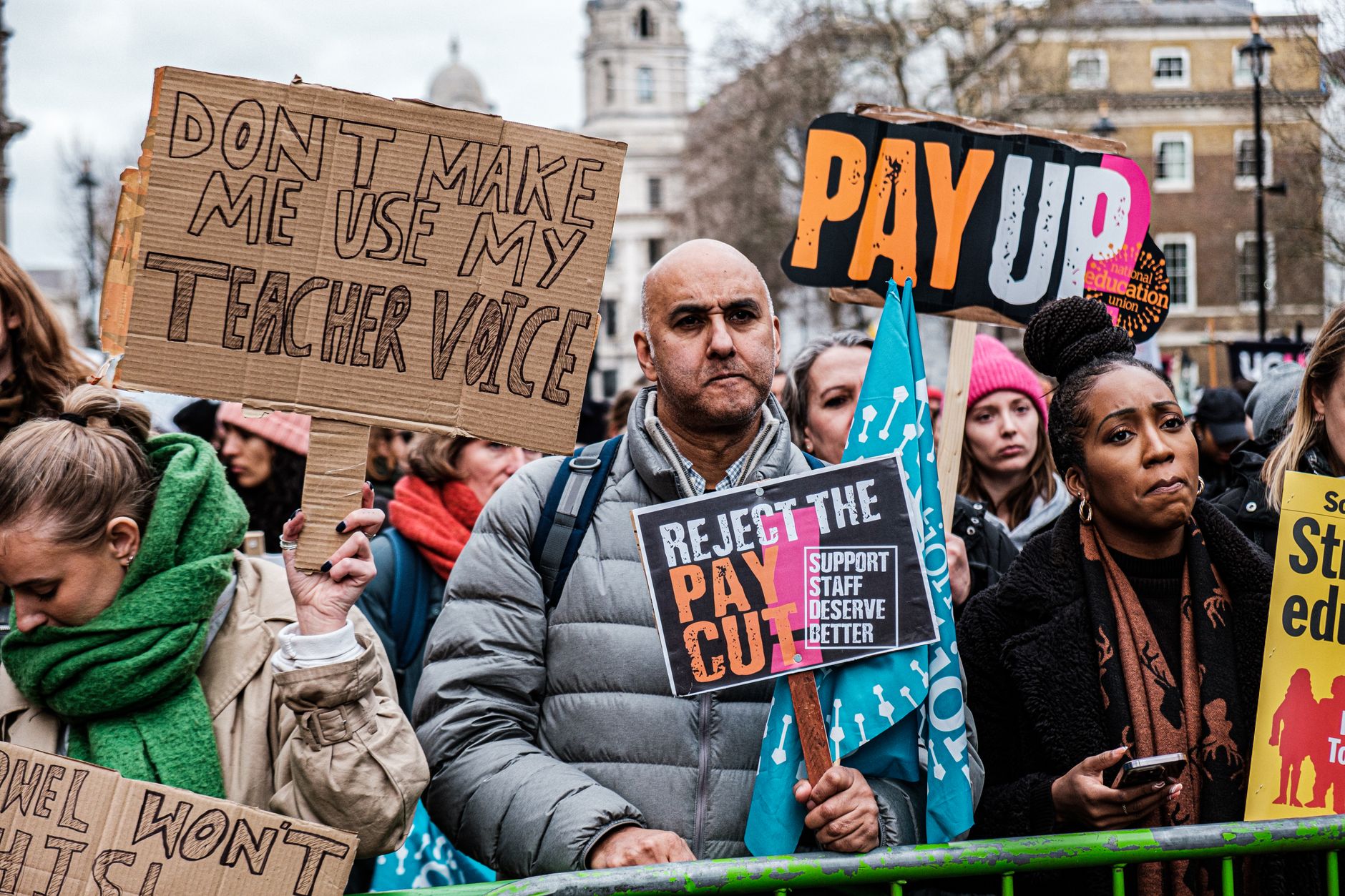
The next critical step is the upcoming wage negotiation round, where the company and works council are expected to address these internal agreements. Depending on the outcome, workers may escalate their response, with potential strikes at VW plants starting as early as January.