
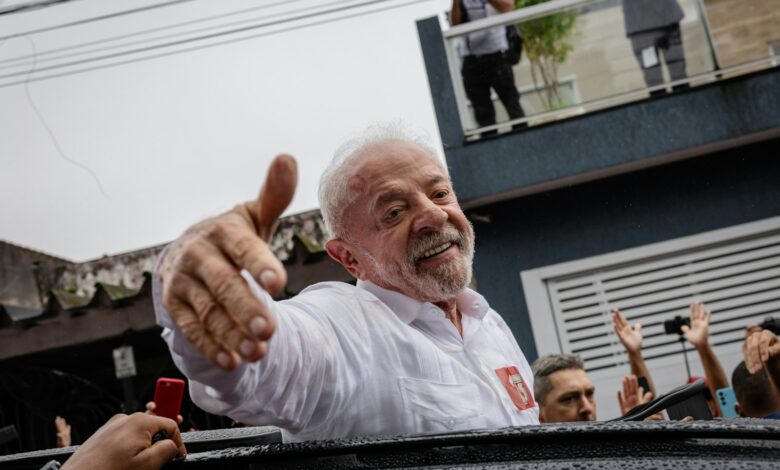
This intervention occurred within the context of a highly polarized election between incumbent President Luiz Inácio Lula da Silva and far-right candidate Flávio Bolsonaro. The legal significance of the election extends beyond the immediate transfer of power; it touches on the broader question of how digital infrastructure interacts with democratic institutions. The principal legal question addressed by the electoral court was whether the algorithmic curation of content by private platforms constituted an undue influence on the electoral outcome, thereby requiring judicial oversight to ensure a fair playing field. The court’s decision reflects a proactive stance, prioritizing the neutrality of the information environment as a prerequisite for a valid electoral mandate.
The outcome of the election, in which Lula secured victory, has drawn attention to the procedural mechanisms that protected that outcome. According to reporting, the campaign for Lula adopted a strategy that explicitly highlighted the threat of authoritarianism. On the eve of the election, Lula stated, “We don’t want dictatorship. We don’t want hatred. We don’t want guns. We want a country of love.” This rhetoric was part of a broader effort to frame the contest as a choice between democratic governance and the return of the Bolsonaro family to power, a family whose political trajectory is legally constrained by prior judicial actions. Specifically, Brazil’s Supreme Federal Court had previously sentenced Jair Bolsonaro, Flávio’s father, to 27 years in prison, with the former president currently on house arrest. Additionally, the electoral court barred Jair Bolsonaro from running for public office until 2030. These prior rulings established a legal backdrop that framed the 2024 election as a test of Brazil’s commitment to the rule of law following the 2022 transition of power, which was marked by an attempted attack on government buildings by Bolsonaro allies.

The legal implications of the election result are not confined to domestic Brazilian politics. International observers have noted the election’s impact on global political dynamics. The U.S. administration had engaged in both overt and covert efforts to support the return of a Bolsonaro to the presidency. According to a detailed report by Reuters, State Department officials, including Darren Beattie and Ricardo Pita Macedo, spent the preceding year urging U.S. diplomats to undermine Lula’s administration. Furthermore, following Jair Bolsonaro’s conviction, the U.S. imposed additional tariffs on Brazil and revoked the visa of a Brazilian Supreme Court justice involved in that ruling. President Trump met with Flávio Bolsonaro in June and released a post on Truth Social praising the candidate. The defeat of Flávio Bolsonaro is therefore viewed by some analysts as a counterpoint to these external pressures, demonstrating that domestic electoral processes can withstand foreign interference attempts.
The role of social media in this election also highlights a new dimension of electoral law. Lula’s campaign did not merely campaign on social media; it actively challenged the neutrality of the platforms hosting their discourse. By loudly accusing billionaire-owned platforms of favoring the right, the campaign forced Meta to commit to neutrality, a move credited with influencing the electoral court’s decision. This approach contrasts with the strategies often employed by political actors in other nations, who may avoid direct confrontation with tech giants. The legal precedent set here suggests that electoral authorities can and will impose obligations on private platforms to prevent algorithmic bias from skewing electoral competition.

Despite the victory, the legal and political landscape remains complex. The Bolsonaro-led Liberal Party made significant gains in Brazil’s Congress during the same electoral cycle, meaning they will retain the ability to implement portions of their agenda and potentially block Lula’s legislative initiatives. This legislative reality complicates the narrative of a decisive democratic victory, as the institutional checks and balances within Brazil’s congress remain contested. Furthermore, the broader global context of far-right movements gaining traction in Europe and Latin America suggests that the legal frameworks developed in Brazil may serve as a reference point for other democracies grappling with similar challenges involving technology and political polarization.
The next confirmed legal step involves the implementation of the electoral court’s ruling regarding platform neutrality. Meta is now legally bound to ensure that its algorithms do not systematically favor or suppress content based on political affiliation during future electoral cycles. This ruling represents a tangible shift in how digital platforms are regulated in the context of elections, moving from voluntary commitments to judicial mandates. The outcome of this compliance will be closely monitored by legal scholars and electoral bodies as a test case for the intersection of technology and democratic governance.