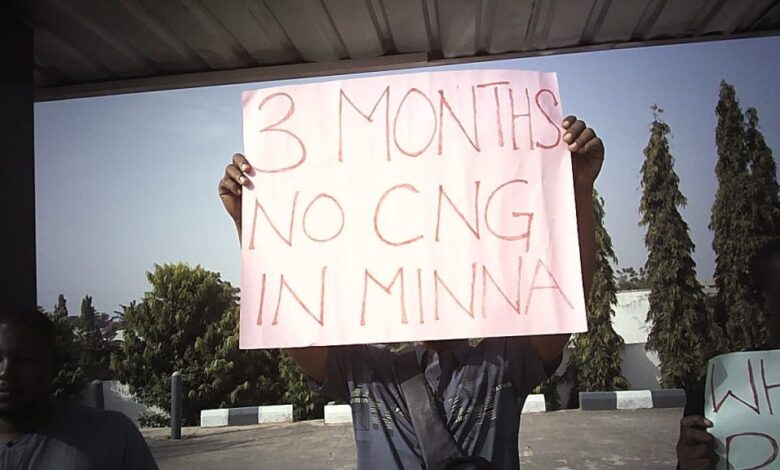
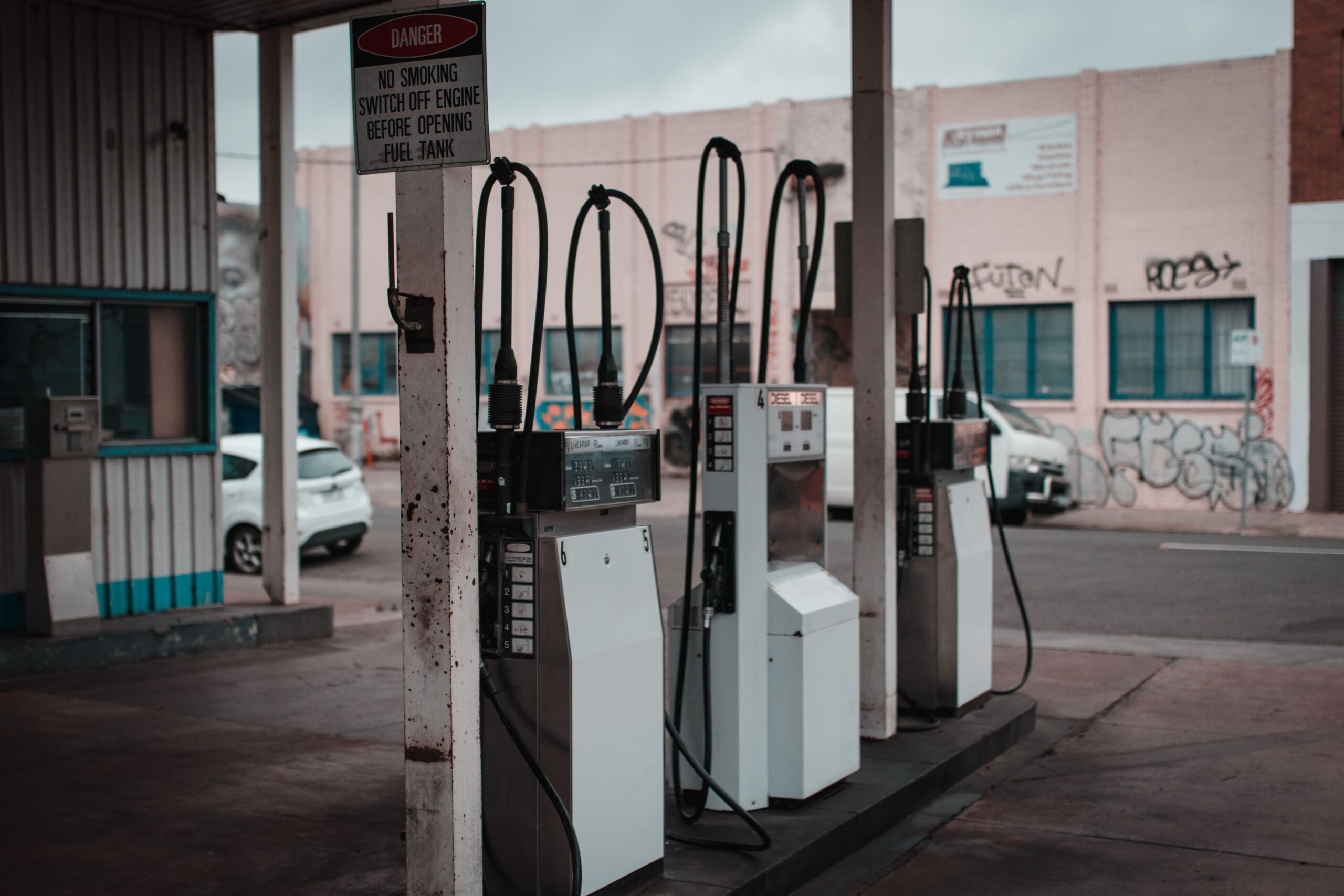
The core of the dispute is a three-month suspension of CNG dispensing services at the Western Bypass axis station. According to a station employee who spoke to local media, the disruption stems from a faulty component in the CNG dispensing machine that has remained unrepaired since approximately July 2026. The employee noted that the breakdown left motorists dependent on the facility without a reliable source of fuel, a situation exacerbated by the absence of alternative CNG dispensing points in the state capital.
Motorists argued that the outage has invalidated the economic logic behind their conversion from Premium Motor Spirit (PMS), commonly known as petrol, to CNG. Many commercial vehicle operators had invested significant capital—some reporting costs exceeding one million naira—to retrofit their engines for the cheaper, gas-based fuel. The primary motivation for these conversions was to reduce transportation expenses in a high-cost environment. However, the inability to access CNG for over three months has forced these operators to either abandon their vehicles or revert to petrol, thereby incurring higher fuel costs without recovering the initial investment in conversion hardware.
“It is so discouraging that for over three months now, the CNG station at NNPC Minna has not functioned,” said Abdullahi Mohammed, one of the protesters. “Imagine that since January, some people did conversion, and they have not recovered their money, especially the commercial vehicle operators.” Mohammed emphasized that repeated visits to the station management over the past quarter had yielded no explanation or timeline for repairs, leading the group to stage the protest to attract the attention of state and federal authorities.
Engr. Israel Ogbonnaya, another vehicle owner, echoed these sentiments, noting that the lack of communication from the station management was a primary driver of the unrest. “The CNG [machine] broke down, nobody has spoken to us,” Ogbonnaya stated. “We have come here several times demanding answers from the management and nobody is talking.” He further criticized the broader policy framework, suggesting that the government championed the conversion to CNG without ensuring adequate and resilient facilities across the state to meet demand. “CNG is the heartbeat of the President,” Ogbonnaya remarked, referencing the federal government’s initiative to promote gas usage. “He commissioned a committee to look into this scheme, and these people are taking us for granted.”
The protest underscores a systemic risk in Nigeria’s energy transition: the gap between policy promotion and infrastructure reliability. While the National Gas Company of Nigeria (NGN) and NNPC have pushed for CNG adoption to ease the burden of petrol prices and reduce emissions, the incident in Minna reveals vulnerability in the last-mile delivery of fuel. For commercial operators, the transition to CNG is not merely an environmental choice but a financial necessity. The current disruption has imposed additional financial burdens, as operators must now purchase more expensive PMS to keep their vehicles operational, effectively negating the cost savings that justified the conversion.

Protesters, including drivers of buses and commercial cars, demanded an immediate explanation for the shutdown and urgent intervention to restore gas supply. They argued that the station management had abandoned those who embraced the government’s CNG initiative. The lack of a backup dispensing facility in Minna means there is no redundancy in the local supply chain; a single mechanical failure results in a total halt of CNG availability for the city’s converted fleet.
As of the time of reporting, the station remains out of operation for CNG dispensing. The protesters called on relevant authorities to ensure that CNG remains accessible, urging for not just immediate repairs but a lasting solution to prevent similar single-point-of-failure disruptions. The incident serves as a stark reminder that for energy transitions to be successful, the infrastructure must be as robust as the policy intent, and that operational reliability is a prerequisite for consumer trust in alternative fuels.