
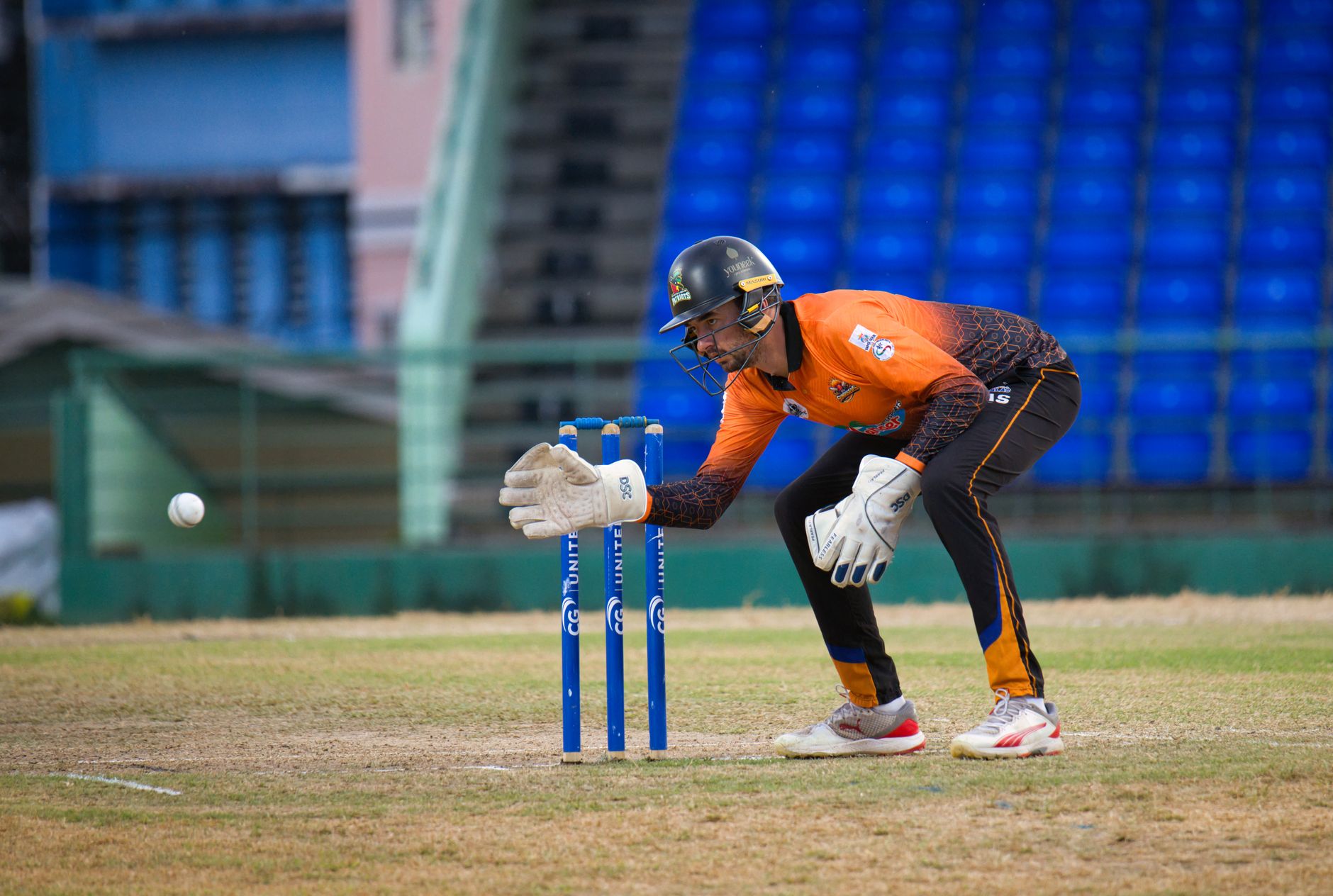
The intensity of the contest was underscored by a specific on-field exchange between the Indian players. From behind the stumps, teammate Yastika was heard addressing Vaishnavi directly, urging her to intensify her efforts with a highly personal admonition. Yastika instructed, “Vaishu (Vaishnavi) sabka badla lena hai. Baap ka, dada ka, bhai ka,” which translates to “Vaishu, you must take revenge for everyone. Father’s, grandfather’s, brother’s.”
This verbal cue served as a focal point during the match, illustrating the deep emotional and familial stakes perceived by the players. The phrase “sabka badla” (revenge for all) invoked a collective narrative of vindication, suggesting that the individual performance was driven by a broader, multi-generational motivation. The interaction occurred in real-time, with Yastika guiding Vaishnavi’s mindset while the latter continued to apply pressure on the Zimbabwean batters.
The incident highlights the psychological dimension of high-stakes cricket, where personal narratives intersect with professional performance. By referencing specific family members—father, grandfather, and brother—the players framed the contest not merely as a sporting contest but as an opportunity for personal and familial honor. This level of emotional investment is often a critical factor in determining the momentum of tight matches, particularly in international competitions where reputation and legacy are at stake.
While the specific match scoreline and final result are not detailed in the available source material, Vaishnavi’s ability to trouble the opposition is confirmed as the central development of the outing. The focus remains on the qualitative impact of her bowling and the unique motivational strategy employed by her teammates to sustain that pressure.
The match serves as a case study in team dynamics and the role of emotional support in athletic performance. The use of familial references as a tool for motivation underscores the close-knit nature of the squad and the personal significance assigned to competitive outcomes. For the Indian team, the performance demonstrated a unified approach where individual efforts are bolstered by collective emotional backing.
No further details regarding the final standings, specific statistical scores, or subsequent fixtures were provided in the source material. The report remains focused on the pivotal moment of motivation and the resulting bowling performance by Vaishnavi against the Zimbabwean lineup.