
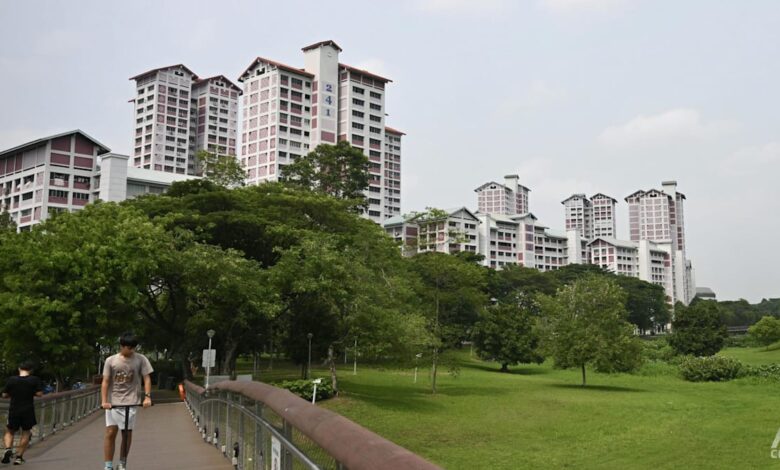
By 12:00 pm, the reading in the west had fallen to 47, returning to the normal band. At that time, hourly PM2.5 readings across all five regions of Singapore stood between 24 and 47. The 24-hour Pollutant Standards Index (PSI), which reflects a rolling average of six key air pollutants, remained within the good to moderate range, with values fluctuating between 68 and 78. The highest 24-hour PSI reading of 77 was recorded in the west, while the lowest of 68 was observed in the south.
Under Singapore’s air quality classification, PM2.5 scores from 0 to 55 are considered normal, while readings between 56 and 150 indicate an elevated concentration of fine particles. The PSI is considered good or moderate when it falls between 0 and 100, and unhealthy when it exceeds 100. Health advisories recommend that the elderly, children, and individuals with pre-existing health conditions scale down outdoor activities if air quality breaches the unhealthy threshold.
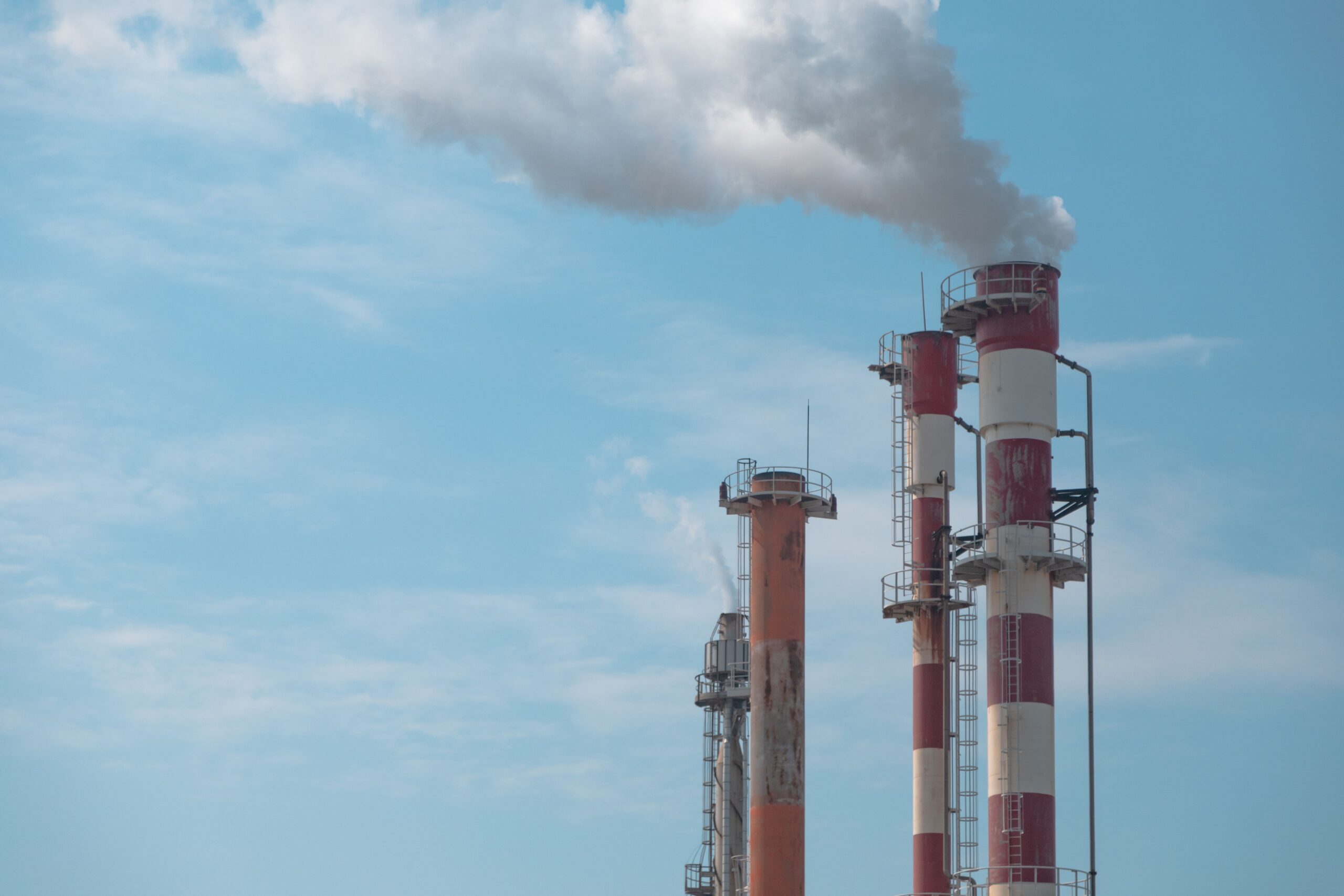
The National Environment Agency (NEA) reported that the regional haze situation remained subdued. In its morning outlook, the agency detected scattered hotspots in Kalimantan and few to isolated hotspots elsewhere in the southern ASEAN region. Prevailing winds in the southern ASEAN region are forecast to blow from the southeast to southwest, while winds in the northern region are expected to be from the northeast or east.
NEA stated that showers expected over Sumatra, Singapore, and the surrounding region on October 29 could help suppress the regional haze situation. Although drier conditions may return to parts of Kalimantan, smoke haze from that area is unlikely to drift toward Singapore due to favorable wind patterns. For October 30 and 31, southeasterly to southwesterly winds are forecast, coinciding with expected showers that may further improve air quality conditions.