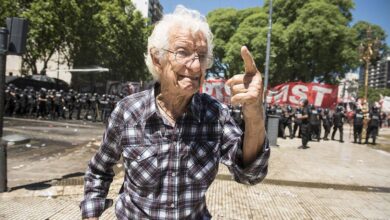
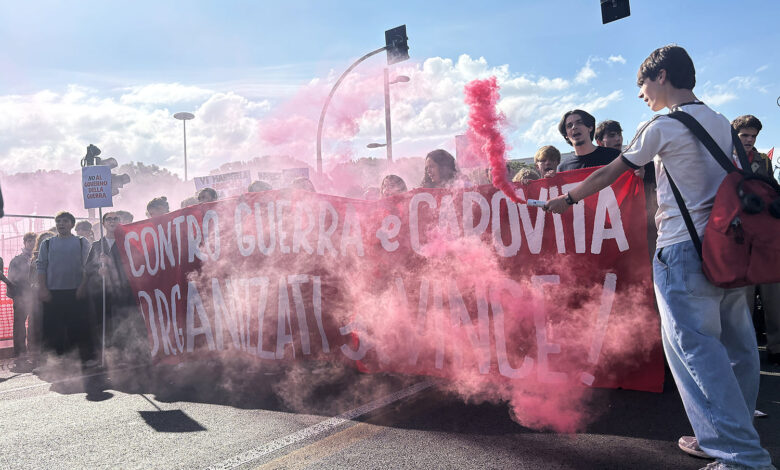
The immediate trigger for the heightened security measures is a call by the Unione Sindacale di Base (USB) and other trade unions for both public and private sector workers to halt work and protest. The demonstrations are part of a broader wave of civil discontent that has gripped Italy for several weeks, characterized by increasingly volatile confrontations between masked protesters and law enforcement. In Milan and other cities, recent protests have descended into looting and the throwing of projectiles, met by police with tear gas and water cannons. On Saturday, the unrest reached a symbolic peak when protesters stormed Rome’s Colosseum, a historic landmark that has rarely been subjected to such intrusion in modern times.
Prime Minister Meloni, whose right-wing administration has made the restoration of law and order a central pillar of its political platform, framed the military intervention as a necessary response to what she described as criminality rather than legitimate protest. “There is nothing revolutionary about vandalizing and stealing. Vandalism and theft are not protest, they are criminality,” Meloni stated on social media following the unveiling of new legislative measures. The government has introduced tougher penalties for rioters, including financial liability provisions for parents whose children participate in vandalism and looting. While Meloni expressed “great respect” for peaceful demonstrators in earlier statements, the administration’s recent actions signal a zero-tolerance approach to the violent elements that have emerged within the broader movement.
The underlying drivers of the unrest are multifaceted, blending economic anxiety with geopolitical opposition. Demonstrators, including members of the left-wing Potere al Popolo! party, have cited the government’s fiscal policies as a primary grievance. Giovanna Di Matteo, a member of the party, told NBC News that the administration “did nothing for the people of this country,” accusing it of prioritizing military expenditure over social welfare. “The government has spent money on the military while they cut on welfare, they cut on services and people cannot reach the end of the month,” Di Matteo said, noting that many citizens are unable to afford housing or fuel.
Fuel prices have become a particularly acute flashpoint, having risen since the outbreak of war in Iran. This economic pressure has drawn in sectors beyond the traditional union base, including farmers and truckers who have blockaded highways and ports in southern Italy. The planned Friday actions extend beyond urban centers, with major demonstrations expected in 50 other cities and towns across the country. In Rome, early reports indicated a mixed demographic of protesters, with many waving communist and Palestinian flags alongside anti-Iran war signs. Initial moods among demonstrators were described as jovial, a pattern observed in previous protests, though observers note this has frequently preceded the outbreak of violence later in the day.
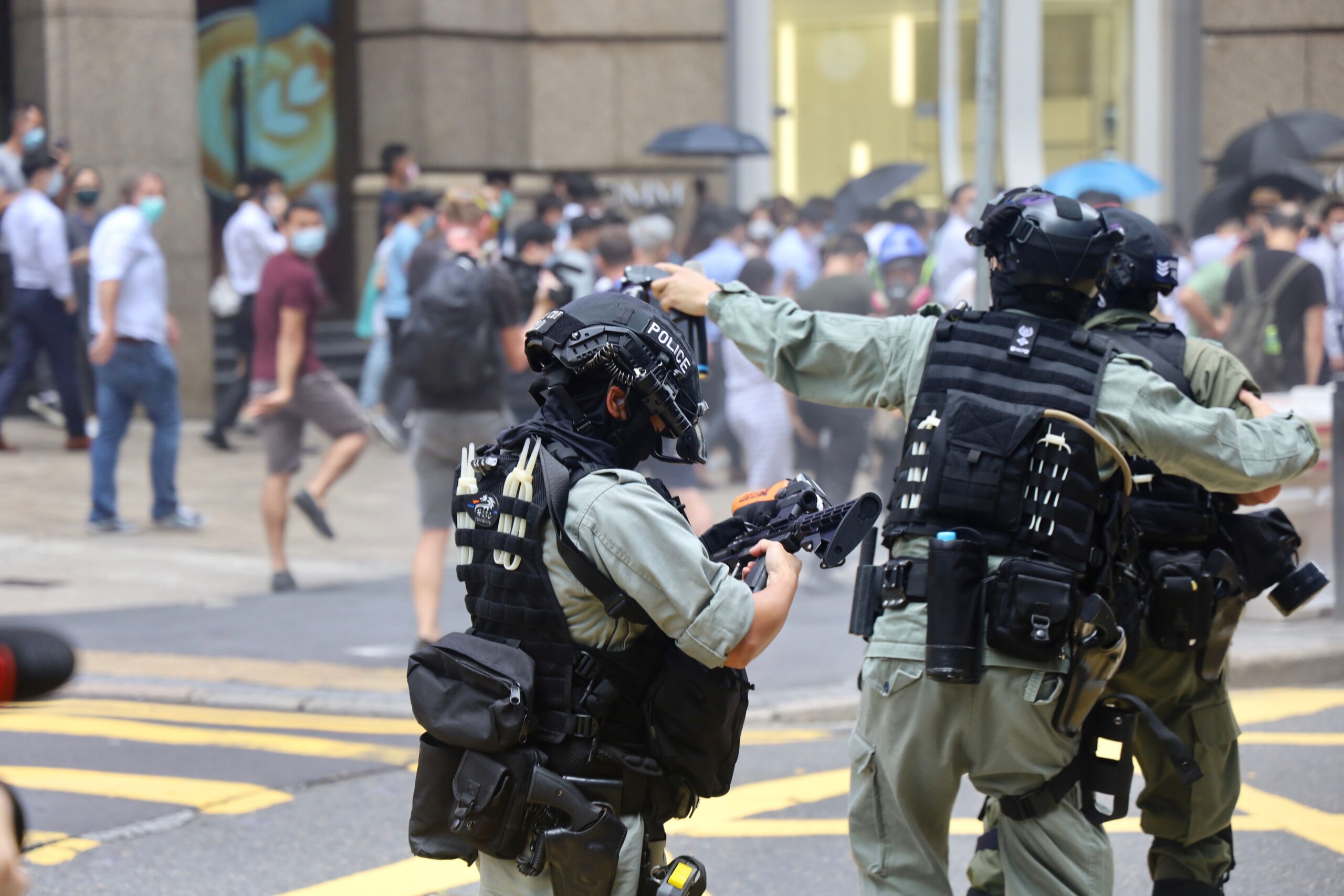
Italy’s current turmoil does not exist in isolation; it mirrors a pan-European trend of social unrest. The Italian demonstrations appear to have been partly inspired by the crisis in France, where student protests over the state of education evolved into widespread rioting across several cities, driven by issues of cost of living and social security. Similarly, a large encampment of tents has occupied a square in Madrid since late last month, and thousands have marched in Lisbon. In Brussels, police have deployed tear gas and water cannons against black-clad protesters, indicating a shared pattern of state response to decentralized, loosely organized civil unrest across the continent.
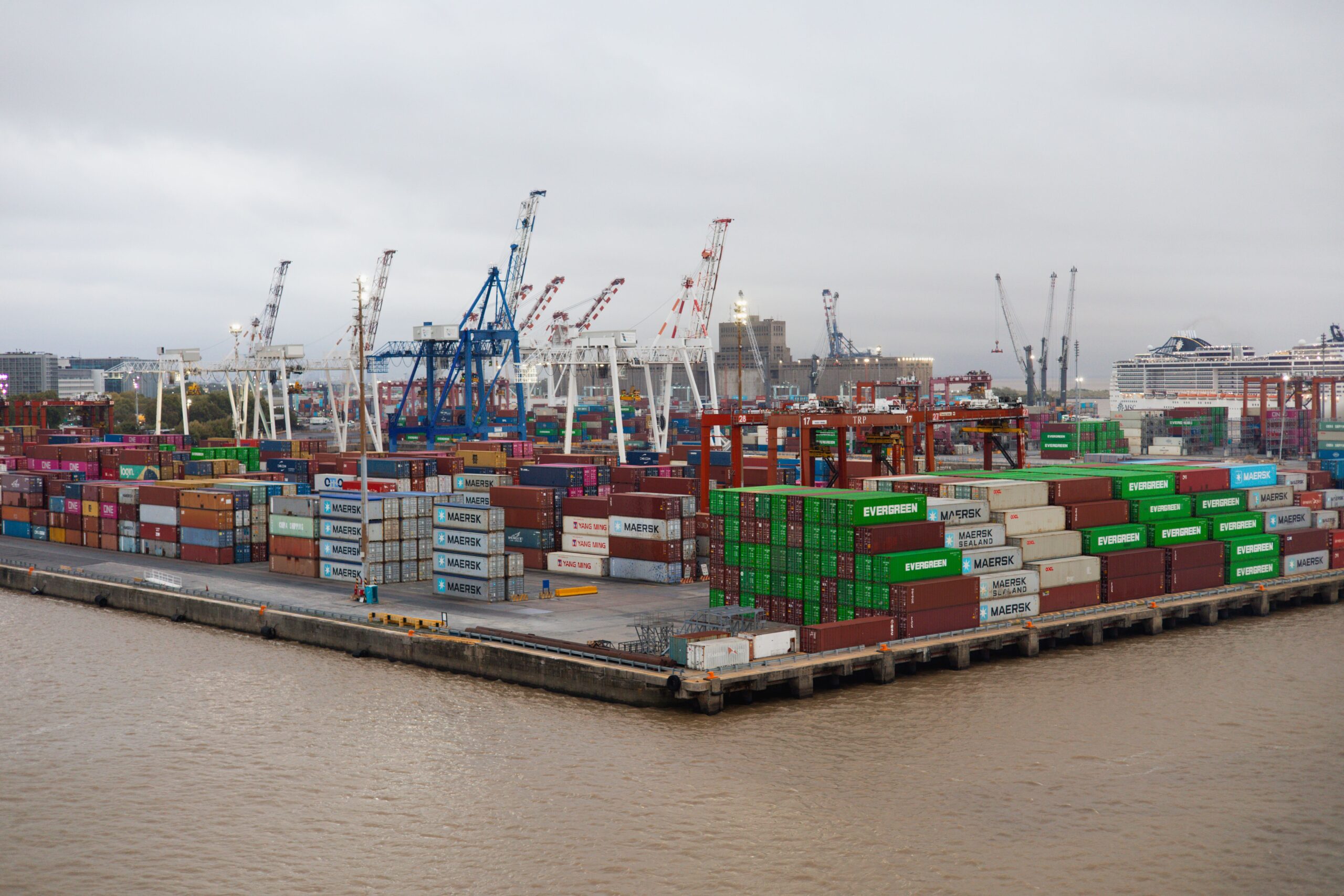
The political stakes for the Meloni government are high. As the administration seeks to consolidate its authority by asserting control over public order, it faces the challenge of distinguishing between legitimate labor disputes and criminal disorder. The introduction of parental liability for juvenile vandalism represents a significant shift in legal precedent, aiming to deter participation by engaging families in the consequences of unrest. However, the breadth of the upcoming strikes, which include critical infrastructure port blockades, suggests that the economic grievances underlying the protests are deep-seated and unlikely to be resolved by security measures alone.
Attention now turns to Friday’s demonstrations, which will serve as a test of the government’s capacity to maintain stability while managing a broad coalition of dissenting voices. The deployment of military personnel in Milan signals that the state is prepared to use significant force to prevent a recurrence of the looting and property damage seen in recent weeks. Meanwhile, the broader European context suggests that Italy is part of a larger structural crisis involving inflation, perceived social inequality, and anti-war sentiment that may continue to fuel domestic and continental instability in the coming months.