

The Strain on Strategic Reserves
The most significant structural change in the market this week is the heavy reliance on the U.S. Strategic Petroleum Reserve (SPR). The U.S. Department of Energy (DOE) completed the final major portion of its contribution to the International Energy Agency (IEA) coordinated release agreement. Companies have agreed to borrow approximately 40 million barrels from the SPR, with nearly 16.8 million barrels awarded on October 28, following an earlier award of 23.8 million barrels on October 13. These moves complete the U.S. share of a global initiative involving roughly 30 countries and 400 million barrels of crude and products, of which Washington agreed in March to loan 172 million barrels.
While these releases provide immediate relief to refiners and traders facing tight prompt supplies, they do not constitute new long-term production. The DOE noted that the government is loaning the crude and receiving interest in barrels, with an expected 44 million barrels to be returned to the reserve starting early next year. However, the physical reality of the reserve’s depletion is stark: SPR inventories fell to 282.6 million barrels last week, marking the lowest level since October 1982. This historic low reduces the government’s flexibility to respond to further escalations, a fact that keeps a risk premium embedded in prices despite the current flow of barrels into the market.
Inventory Data: Tight Distillates, Mixed Signals
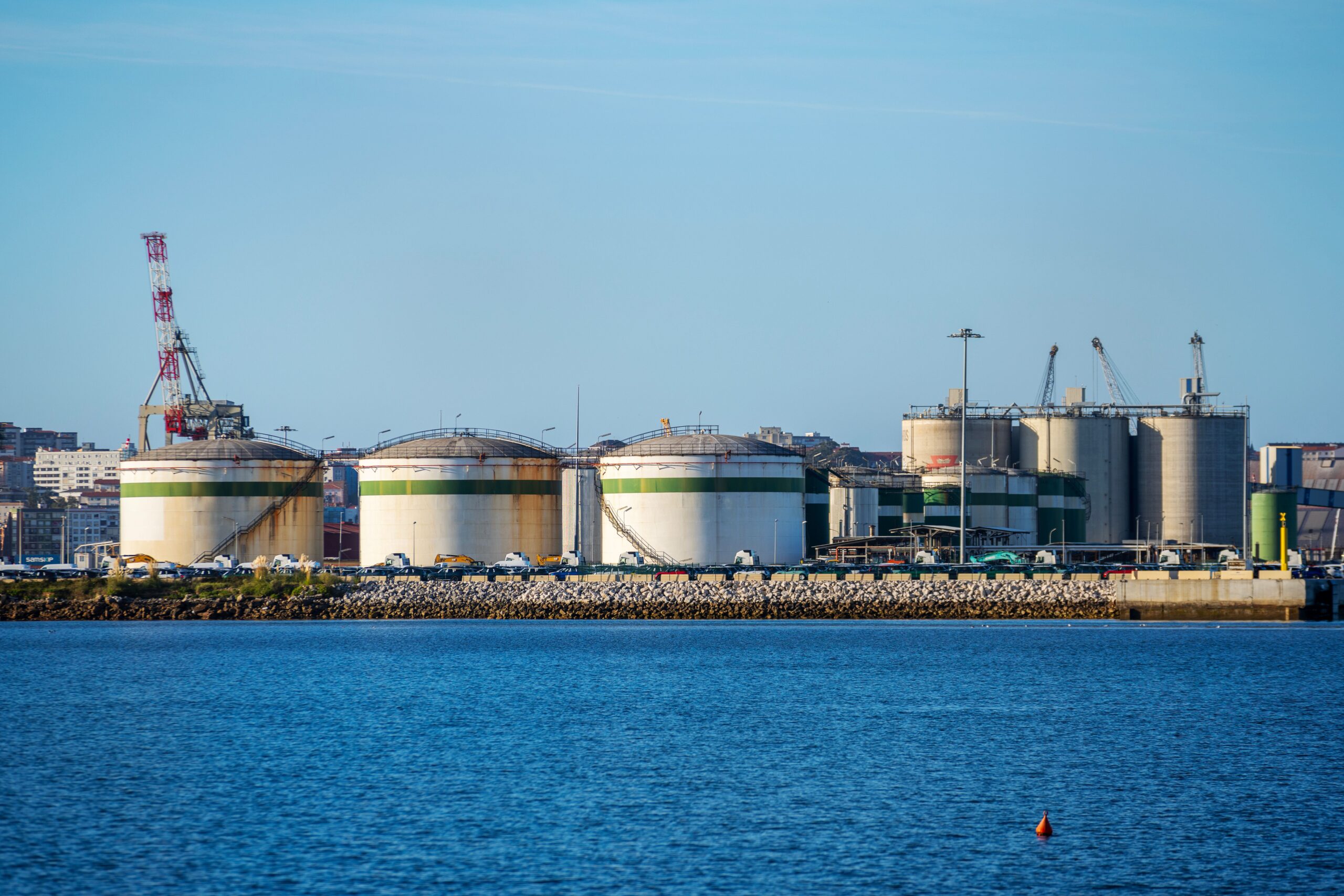
The weekly report from the U.S. Energy Information Administration (EIA) offered mixed signals that failed to resolve the supply debate. For the week ended October 23, U.S. crude inventories fell by 1.9 million barrels, significantly exceeding trader expectations of a 15,000-barrel increase. This draw was supported by a 624,000-barrel decline in Cushing inventories and a drop in Gulf Coast stocks to their lowest level since December 2024. More critically for downstream markets, distillate inventories fell by 1.5 million barrels to 102.8 million barrels. Given that diesel and heating fuels remain the tightest segments of the barrel, this draw provides fundamental support to prices.
However, gasoline inventories rose by 3.9 million barrels, contrary to expectations of a draw, and total products supplied decreased by 1.022 million barrels per day to 20.21 million barrels per day. Furthermore, the EIA reported a 1.4 million barrel-per-day increase in U.S. crude exports to 4.85 million barrels per day. This figure has been contested by analytics firm Kpler, which stated that observed loadings were approximately 1 million barrels per day lower than the government’s report. If Kpler’s assessment is correct, the apparent tightness in crude supplies may be less severe than the EIA data suggests, adding another layer of uncertainty to the bullish inventory picture.
Diplomatic Stalemate Sustains Risk Premium
On the geopolitical front, tentative efforts to reopen talks between the U.S. and Iran have not produced a framework that traders can treat as a reliable path to reduced military risk. Reports indicate that Vice President JD Vance contacted Iranian Security Council chief Mohsen Rezaei regarding restarting negotiations, and Qatari mediators presented a new proposal aimed at ending the conflict involving Iran, the United States, and Israel. Yet, the diplomatic response has been largely negative; a senior Iranian official rejected the proposal as unacceptable, though Iran’s foreign minister stated the country remains open to diplomacy.
This diplomatic ambiguity is compounded by physical threats to infrastructure. An earlier attack on a Saudi refinery this week restored the risk premium after two days of selling linked to peace rumors. Although Saudi Arabia did not officially confirm the strike, traders are aware that the facility involved has a production capacity of 550,000 barrels per day. As long as the threat to Saudi production, tanker traffic through the Strait of Hormuz, and regional security remains unresolved, the market is likely to maintain a significant risk premium. Until a definitive agreement is reached or a major physical disruption occurs, crude prices are likely to remain range-bound, reflecting the market’s inability to commit to either a supply glut or a supply shock.