
The strike represents a notable shift in operational tempo. According to a report by The Wall Street Journal published on Thursday, Ukraine had paused strikes on Russian refineries amid pressure from the United States. The report indicated that this pause was expected to last until after the US midterm elections scheduled for 3 November. The resumption of attacks suggests that either the pause has ended, or the current campaign is being conducted despite previous diplomatic constraints. US President Donald Trump has previously called on Ukraine to halt these strikes, citing concerns that they contribute to rising global fuel prices while he seeks to deflect attention from other geopolitical conflicts, such as the US engagement in Iran.
The Novokuibyshevsk facility is a critical asset within Russia’s energy sector. According to Rosneft, the state-owned oil company that has owned the site since 2007, the refinery has a processing capacity of approximately 8.8 million tonnes of crude oil per year. It is specifically involved in the production of jet fuel, a commodity vital for both military aviation and commercial transport. The facility is located in the Samara region, far from the active front lines. In August, Ukrainian President Volodymyr Zelenskyy announced that forces had struck the facility, describing it as being 1,000 kilometers from the front line. At the time, Zelenskyy stated that the strike deprived the Russian war machine of millions of dollars in export revenues.

The broader context of the overnight operations indicates a significant scale of Ukrainian drone activity. Russian authorities stated that they intercepted more than 1,000 Ukrainian drones over multiple regions during the night. While the specific attribution of the Novokuibyshevsk fire to this particular wave of drone activity is implied by the timing and location, official confirmation of the causal link and the precise damage assessment remains pending. The scale of the drone swarm reported by Russian officials highlights the logistical and defensive challenges posed by long-range unmanned aerial vehicle (UAV) campaigns.
From a strategic perspective, sustained attacks on refineries aim to strain Russia’s fuel supply chain, potentially leading to domestic shortages, increased costs, and a reduction in export revenues. The production of jet fuel at Novokuibyshevsk is particularly sensitive, as disruptions can affect the operational readiness of air forces and commercial aviation. However, the long-term strategic impact depends on the frequency of attacks, the resilience of Russia’s energy infrastructure, and the availability of repair resources. The resumption of strikes may also have implications for global fuel markets, particularly if it leads to a sustained reduction in Russian exports.
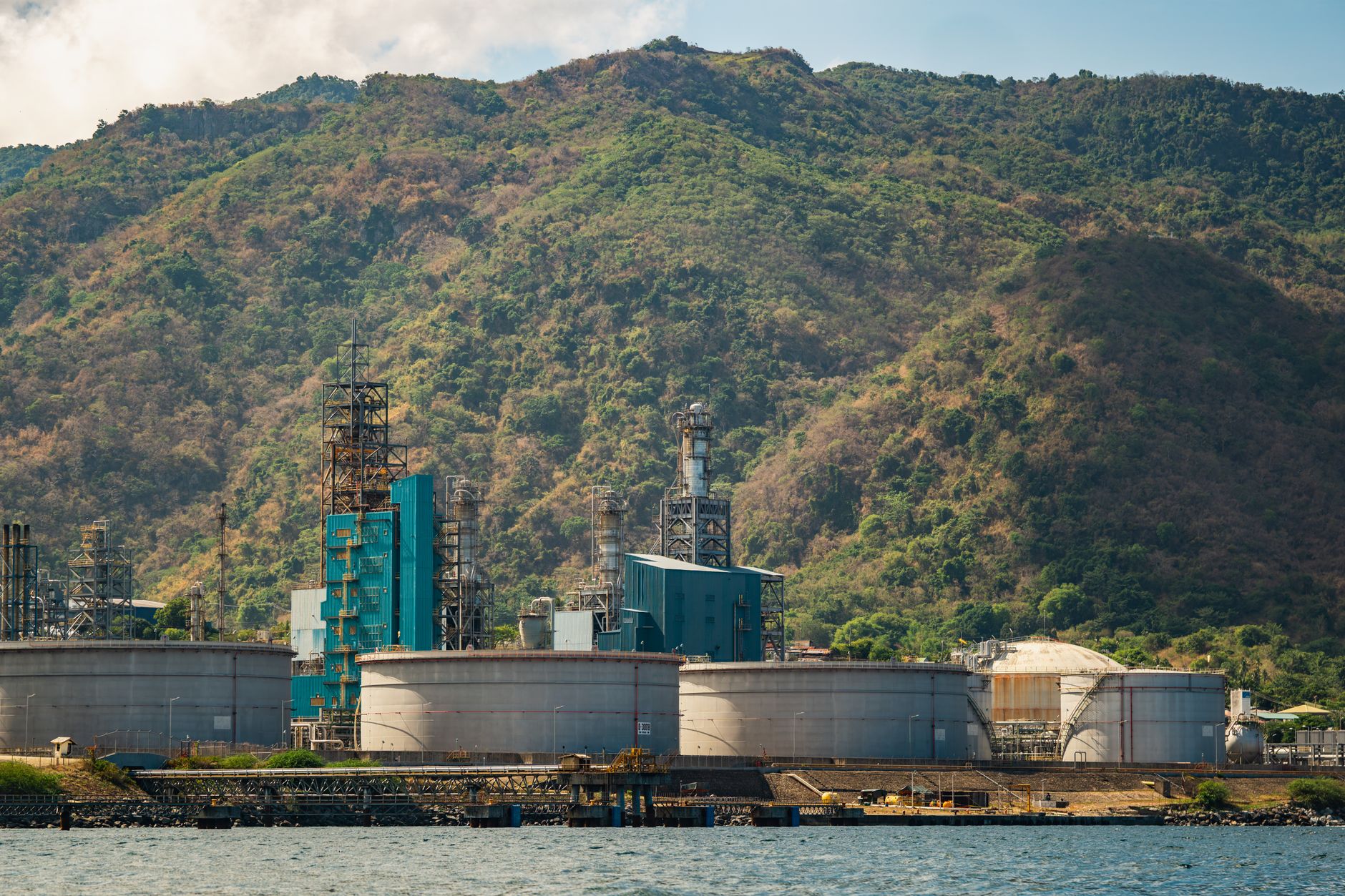
It is important to distinguish between the reported fire and confirmed operational damage. While images of smoke and fire are circulating, the extent of the damage to the refinery’s processing units, storage tanks, or other critical infrastructure has not been independently verified. Russian authorities have not released detailed casualty figures or specific details on the damage beyond the interception claims. The humanitarian impact of such strikes is generally limited to the immediate area of impact, but the economic and logistical consequences can be widespread. The international community continues to monitor the situation, with observers noting the tension between diplomatic efforts to de-escalate and the ongoing military objectives of both parties.
The next phase of this campaign will likely depend on the ability of Ukrainian forces to sustain the production and deployment of long-range drones, as well as the defensive measures employed by Russia. The reported interception of over 1,000 drones suggests a significant defensive effort, but the success of the strike on the refinery indicates a potential gap in air defenses or a saturation tactic. Future developments will hinge on whether this resumption of attacks is a one-off event or the beginning of a renewed, sustained campaign against Russia’s energy sector. The outcome will have implications for the balance of power in the conflict and the broader geopolitical landscape.
