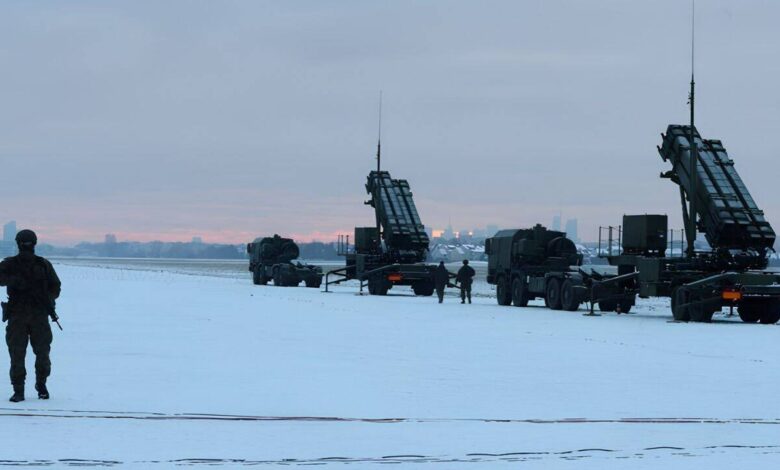
On Friday, the US State Department announced the approval of a potential sale of 500 Patriot PAC-3 interceptor missiles to Ukraine, an estimated $2.1 billion package that includes missiles, parts, and support. This authorization marks one of the most significant steps to supply defensive weapons to Kyiv since the start of President Donald Trump’s second administration in January 2025. While the decision signals a renewed commitment to Ukraine’s self-defense, the operational reality of the delivery is complicated by manufacturing lead times and existing logistical constraints.
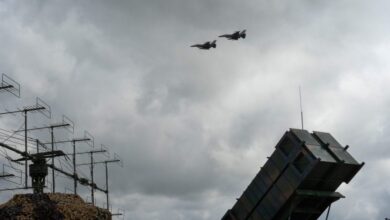
The strategic significance of the Patriot system lies in its status as the most effective weapon currently available to counter fast-moving ballistic missiles. Ukraine has long maintained an urgent need for additional interceptors to mitigate the growing waves of missiles fired by the Russian military. President Volodymyr Zelenskyy highlighted this urgency on Monday, stating that Kyiv had been waiting for almost a month for Washington to sign off on critical missile supplies. His comments came amid a reported escalation in Russian attacks on energy and civilian infrastructure, with the impending winter raising fears that damaged critical systems would leave vulnerable populations exposed to severe conditions.
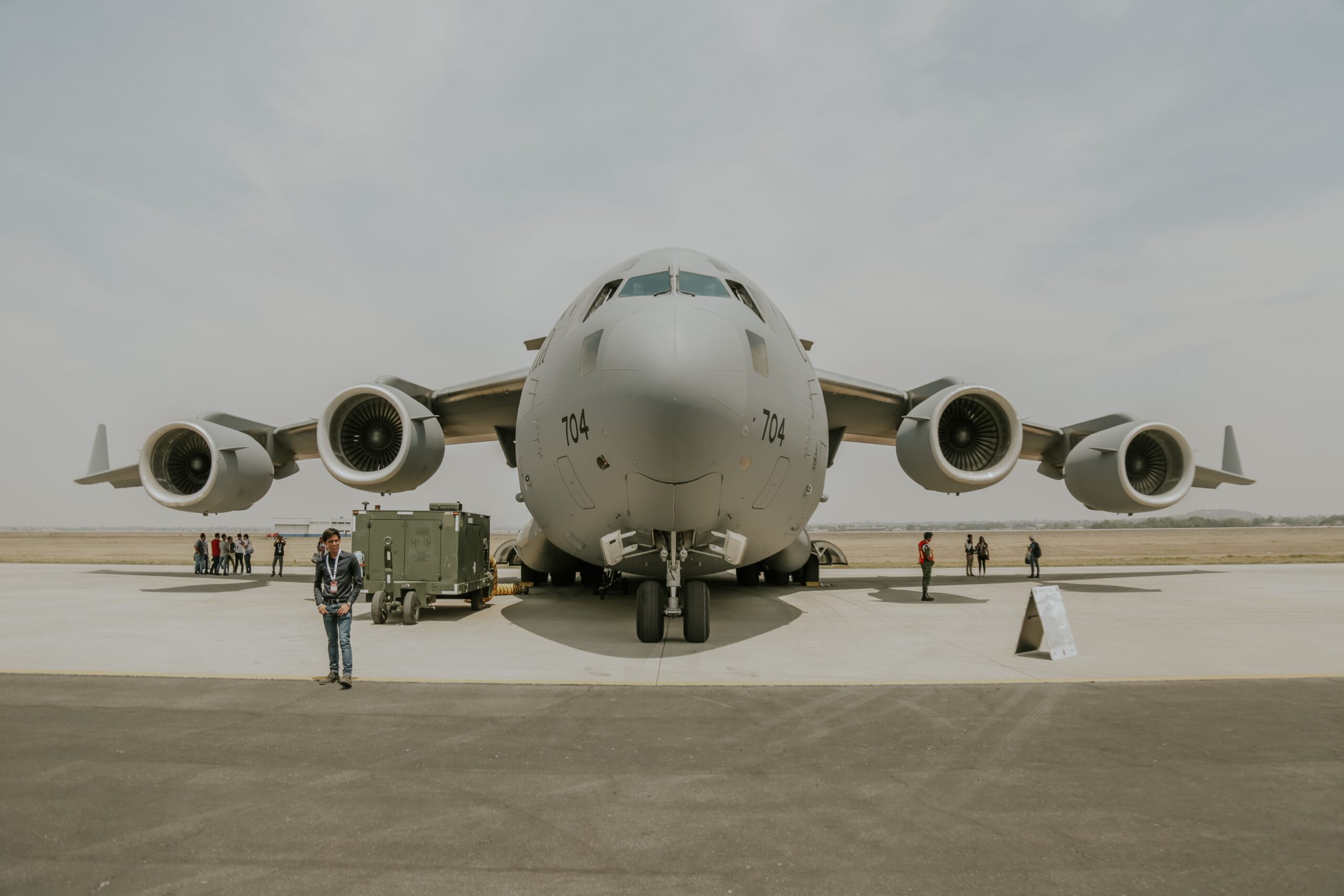
Despite the political weight of the approval, the immediate availability of these assets is limited. Two individuals briefed on the decision told news outlets that the 500 missiles have yet to be manufactured. Consequently, they are not expected to be delivered until a couple of years into the 2030s. This timeline creates a significant disparity between the urgency of the threat and the pace of industrial production. To bridge this gap, Ukraine’s Ministry of Defense is reportedly encouraging the Pentagon to bring forward delivery dates. One proposed strategy involves providing Kyiv with missiles already in the US arsenal, with the new production run serving to backfill American stockpiles. However, no official confirmation has been issued regarding such a swap or accelerated delivery schedule.
The financial architecture of this sale reflects a broader shift in how Western allies support Ukraine’s defense. The State Department stated that Ukraine will pay for the missiles using contributions from Canada, Germany, and Norway routed through the US JUMPSTART program, alongside national funds financed by the European Union’s Ukraine Support Loan. JUMPSTART is a mechanism designed to use allied donations to purchase weapons, services, and training for Ukraine. The program has already been utilized in August to procure 3,350 air-launched cruise missiles worth $825 million from Zone 5 Technologies and CoAspire. This multilateral funding model allows the US to facilitate the transfer without directly expending federal budget funds, though it relies heavily on the continued financial capacity of European and North American partners.
The principal contractor for the sale is Lockheed Martin, a company already under intense pressure to scale up production. In July, the US Army awarded Lockheed a contract worth up to $58.6 billion to produce Patriot interceptor missiles. The company has stated that this contract will enable it to triple PAC-3 MSE (Missile Segment Extended) production capacity by the end of 2030. Lockheed previously announced that annual production of Patriot PAC-3 missiles would reach 2,000 units. To support this expansion, the company plans to increase jobs at its Camden, Arkansas, plant by 50%, raising headcount from 1,200 to approximately 1,850. Pentagon negotiators are actively pressing these contractors to move faster, with tentative production agreements struck earlier this year forming the center of efforts to increase missile output.
However, the US military’s own operational requirements pose a logistical challenge. The United States has supplied large quantities of weapons to various allies while simultaneously using munitions in its own military operations, including recent engagements in Iran. Analysts and officials have raised concerns about the depletion of inventories for key air defense and precision-guided weapons. This dual demand—supporting allied self-defense while maintaining domestic strategic readiness—constrains the ability to rapidly divert existing stockpiles to Ukraine. The delay in deliveries has also added to diplomatic tensions between Washington and Kyiv. These strains were exacerbated when President Trump announced a diesel deal with Russia and criticized President Zelenskyy for Ukraine’s unwillingness to stop attacks on Russian refineries.
As the winter season approaches, the discrepancy between the verified approvals and the projected delivery dates remains a central point of contention. The $2.1 billion package represents a substantial long-term commitment to Ukraine’s air defense architecture, but it does not immediately alleviate the acute vulnerability demonstrated by the strikes on Dnipro, Kyiv, and other cities. For now, Ukraine continues to rely on existing inventories and allied support mechanisms while awaiting the industrial cycle that will eventually deliver the new interceptors. The next confirmed development will likely hinge on whether the Pentagon and Lockheed Martin can finalize the specific terms of any potential early transfer or backfill arrangement, a decision that remains under negotiation and has not yet been publicly verified.