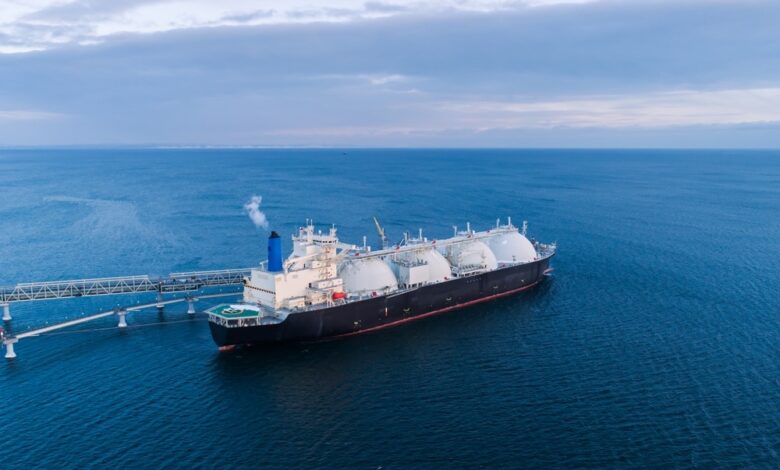
In a statement filed with the Qatar Stock Exchange, Nakilat stated that none of the crew members on board were injured and that the incident had no environmental impact. The company confirmed that the Al Mayeda is in safe condition and remains operational, although a full assessment of the damage is currently underway. Nakilat emphasized that it is in direct coordination with the vessel’s crew and relevant regional maritime security authorities to monitor the situation closely.
This is the second confirmed attack on a Nakilat vessel in under four months. In early July 2026, the company’s LNG carrier Al Rekayyat was struck by a projectile while transiting the Strait of Hormuz. At that time, Nakilat similarly reported no injuries or environmental fallout. These incidents are part of a broader pattern of disruption in the Gulf, following a missile attack on the Aqua 1 fuel oil tanker in Qatar’s northern territorial waters earlier this year, as well as an explosion and fire at a QatarEnergy LNG production hub, which is currently under investigation.
The security environment has deteriorated sharply since the U.S. and Israel launched a military campaign against Iran, leading Iran to close the Strait of Hormuz in response. In the wake of these geopolitical developments, QatarEnergy halted LNG production and declared force majeure to its buyers. The state-owned oil and gas giant estimated the resulting loss at $20 billion in annual revenue. The recurring strikes on commercial vessels highlight the persistent physical risks to the maritime supply chain, even as specific production facilities may be offline or under investigation.
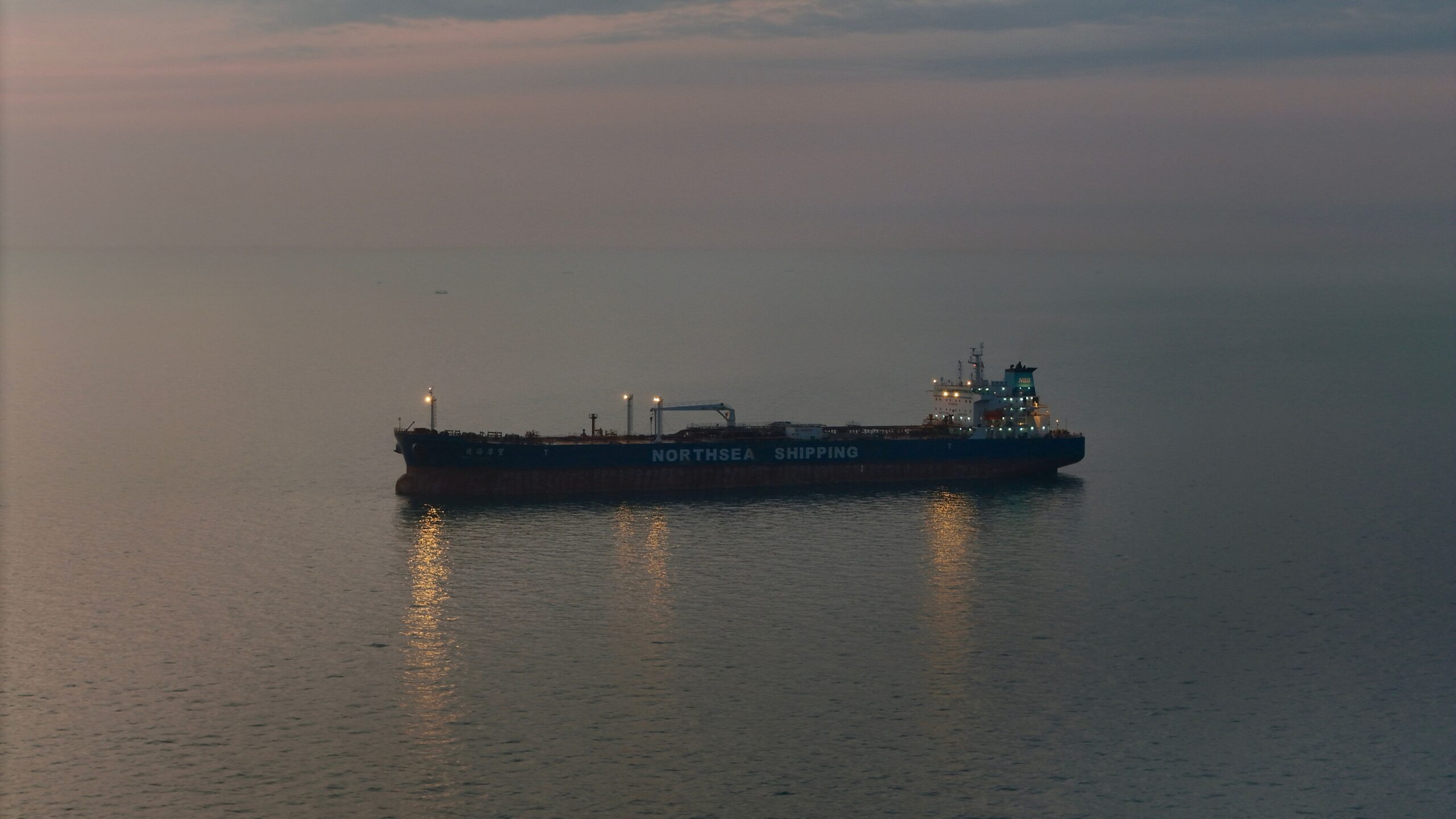
Nakilat, a Qatari public shareholding company, serves as the critical transportation link in Qatar’s LNG export chain. Its fleet comprises 69 LNG vessels, one floating storage and regasification unit (FSRU), and two large LPG carriers. The reliability of this fleet is essential for global LNG supply, which depends heavily on safe transit through the Strait of Hormuz, the world’s most important chokepoint for hydrocarbon exports. With the Al Mayeda confirmed to be operational, there is no immediate indication that this specific incident will alter current shipping schedules or cargo volumes, but the cumulative effect of these attacks is driving up war-risk insurance premiums and complicating logistics for energy traders.
The distinction between the vessel’s operational status and the broader market impact is clear: while the Al Mayeda continues its duties, the frequency of such incidents signals structural supply risks rather than temporary disruptions. For buyers and investors, the primary concern is not a single damaged ship, but the emerging security paradigm that threatens the stability of Gulf exports. The lack of environmental damage in both the July and October incidents is a mitigating factor, but the integrity of the hull and cargo containment systems remains the subject of ongoing technical assessment.
As Nakilat continues to monitor the situation, the focus for market participants shifts to the broader implications for insurance costs and routing. The incident reinforces the vulnerability of the region’s energy infrastructure to geopolitical shocks, a factor that must be priced into long-term contract negotiations and spot market valuations. The next critical data point will be the final damage assessment of the Al Mayeda and any subsequent adjustments to fleet deployment or insurance requirements by regional maritime authorities.