The central news is not merely electoral, but economic: the outcome of the midterms could determine the durability of the current trade dispute. Experts indicate that regardless of the winner, Canadians should not anticipate an overnight transformation in the trade relationship. Any effort to roll back Trump’s tariffs would require time, and the political landscape in Washington will dictate the speed and scope of such changes. The uncertainty is compounded by the fact that, as noted by analysts, Americans may not even know the final results when they wake up on Election Day Wednesday, leaving a window of prolonged ambiguity for Canadian economic planners.
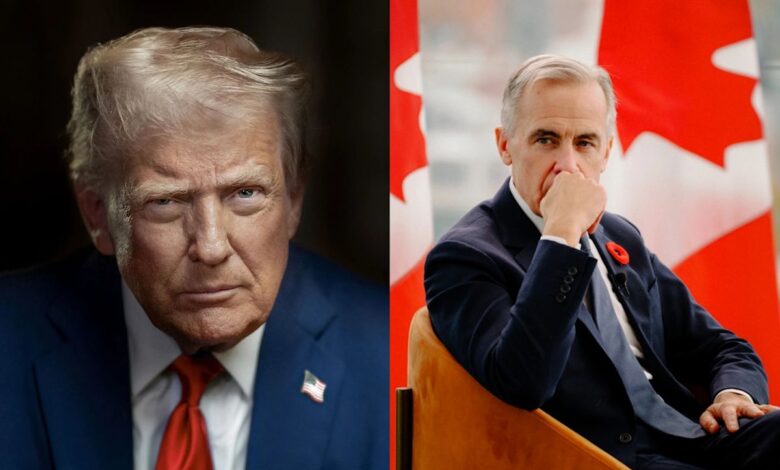
The complexity of the current situation is best described as “mixed.” On one hand, there are signs of renewed engagement. Prime Minister Mark Carney and President Trump have been in communication, and trade discussions appear to be moving forward. These conversations have offered a degree of hope for progress after months of tension, suggesting that diplomatic backchannels remain open despite public disputes. However, this forward movement exists alongside a backdrop of sharp political friction. Canadian officials, including those represented by McKercher, have pointed to what they characterize as unfounded allegations from the Trump administration. Specifically, U.S. Ambassador to Canada Pete Hoekstra has made statements suggesting that the U.S. is watching Canada for signs of interference in the midterm elections, a claim that Canada has contested. This juxtaposition of anti-Canadian rhetoric with tangible trade negotiations creates a volatile environment where diplomatic dialogue and political accusation proceed in parallel.
The stakes for Canada are high, given the deep integration of its economy with its southern neighbor. While the Canadian government is actively attempting to diversify its trade relationships to reduce dependence on the U.S., experts caution that moving away from such a deeply integrated economic partnership cannot happen quickly. Schmitt, an observer of the trade dynamics, noted that while diversification is underway, the next few months and potentially the next year will remain difficult for certain sectors if the current tariff regime persists. “You cannot turn an economy like this,” Schmitt stated, highlighting the structural inertia that prevents rapid pivots in trade flows. For now, the reality for many Canadian firms is one of patience and adaptation, navigating a landscape where the primary trading partner is also a source of political uncertainty.

The role of the U.S. Congress in this equation cannot be overstated. The midterm elections will determine the balance of power in Washington, which could either empower or constrain Trump’s ability to maintain or escalate trade protections. A significant Democratic victory, for instance, could send a clear message about American sentiment regarding Trump’s policies, potentially influencing his negotiating leverage with Ottawa. Conversely, a Republican hold on power might solidify the current approach. However, even with a favorable electoral outcome for trade liberalization, the implementation of any rollback in tariffs would be a gradual process, not an immediate relief. The size of a potential Democratic victory is seen as a key indicator of how Americans feel about Trump’s broader policy agenda, which includes his trade stance.
Historically, Canada-U.S. relations have weathered political cycles, but the current context is marked by a more direct confrontation in rhetoric. The allegations of election interference, while dismissed as unfounded by Canadian perspectives, add a layer of diplomatic strain that complicates the trade talks. This friction means that even if commercial agreements are reached, they may be subject to renewed political scrutiny or backlash in the U.S. domestic arena. Canadian businesses, therefore, must prepare for a scenario where trade policy is not just an economic issue but a battleground for domestic U.S. politics.
Despite the challenges, there remains a cautious optimism. Schmitt expressed hope that a resolution to the conflict could be reached in the coming weeks or months, stating, “I’m really hoping that something positive can come in the next few weeks or months. But we should not count on it.” This sentiment reflects the broader mood in Ottawa and among Canadian industry leaders: a willingness to engage with the U.S. on trade, tempered by the recognition that political winds in Washington are unpredictable. The Canadian government’s strategy of diversification is a long-term hedge, but in the short term, the relationship remains tethered to the outcomes in U.S. state legislatures and congressional districts.
As the U.S. prepares for the midterms, the focus for Canada shifts to monitoring not just the candidate lists, but the policy signals emerging from the campaign trail. The interplay between the “anti-Canadian rhetoric” and the “forward movement on the trade issue” will likely continue until the polls close. For Canadian workers and business owners, the message is clear: the next few months are critical, but the resolution of the trade dispute is unlikely to be swift. The deep integration of the two economies ensures that even in times of political tension, the commercial linkages remain strong, albeit strained. The coming weeks will reveal whether diplomatic progress can outpace political friction, or if the trade relationship will remain locked in a state of uncertainty, waiting for the next chapter in U.S. domestic politics to unfold.
In the end, the gaze of Canadian policymakers remains fixed on the U.S. electoral calendar. The outcome of the 2026 midterms will not just change the composition of Congress; it will set the tone for how Trump’s administration engages with its northern neighbor. Whether through increased pressure or renewed cooperation, the ripple effects of the U.S. vote will be felt in Canadian boardrooms and on the factory floor, underscoring the inextricable link between U.S. domestic politics and Canadian economic stability.