The incident marked the third consecutive day of widespread bomb threats targeting European commercial aviation. According to authorities and airline statements, the hoaxes have particularly impacted low-cost carriers and routes linking to or from Bulgaria, the Czech Republic, and Italy. Ryanair, the Irish budget airline, has been the most frequently targeted operator, with at least seven of its flights subject to threats this week. Other affected carriers include Wizz Air, Scandinavian Airlines (SAS), LOT Polish Airlines, Aer Lingus, and Finnair.
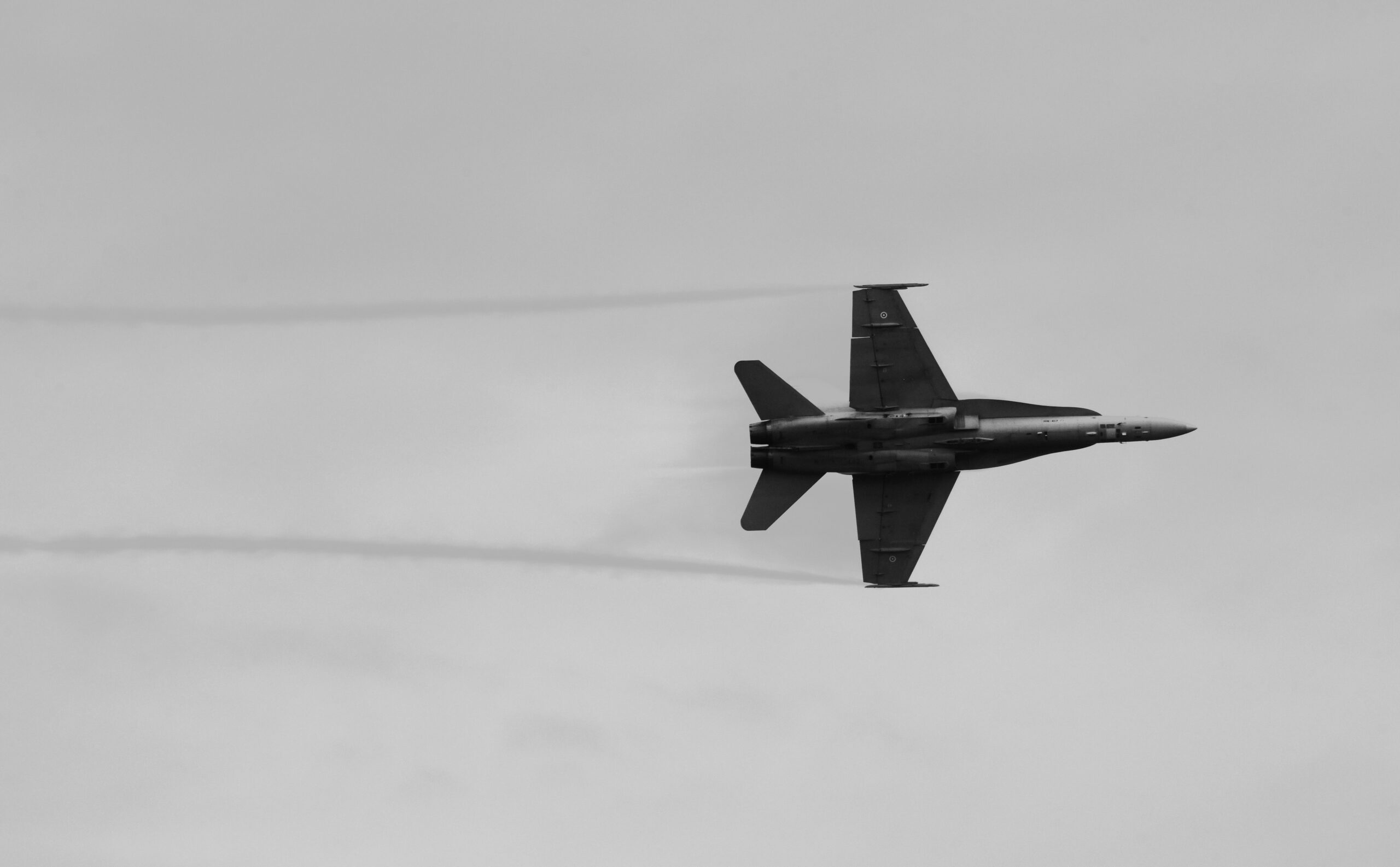
The operational response has required rapid coordination between civilian aviation authorities and military assets. In Italy, the Air Force responded to reports of suspected threats by scrambling jets to escort aircraft into secure zones. Similarly, in France, military jets guided an Aer Lingus flight from Dublin, carrying 151 people, to a military base in Evreux, north of Paris, rather than its original destination of Rome. In Bulgaria, the air force escorted three Ryanair flights targeted by threats, two of which landed in Sofia and one of which was diverted to Plovdiv Airport. The Bulgarian Ministry of Transport stated that the missions were designed to “detect, identify and escort the aircraft,” a standard procedure in such security contexts.
Poland also experienced significant disruptions. A LOT Polish Airlines Boeing 737 Max from London’s Heathrow was diverted to Warsaw Modlin Airport after a threat was made against its original destination, Warsaw Chopin Airport. Chopin Airport closed a runway to inspect a Scandinavian Airlines flight from Copenhagen, which landed normally. Airport officials confirmed that searches of the aircraft and passengers found no explosives, and normal operations resumed. In another instance, a Wizz Air flight from Milan’s Malpensa airport was rerouted to Vienna following a bomb threat. The airline confirmed that the flight, W4 6387, landed safely at its alternate destination.
Despite the scale of the disruption, officials in the affected countries have emphasized that all threats were false and no dangerous devices were recovered. The immediate military objective in each case was the safe diversion and secure inspection of the aircraft to ensure passenger and crew safety. The capabilities of the responding air forces, including the rapid deployment of fighters and bomb disposal units, demonstrated the readiness of NATO and EU member states to protect civilian airspace. However, the logistical constraints of diverting multiple flights simultaneously created operational bottlenecks, particularly at major hubs like Rome and Warsaw, where runways were temporarily closed for inspections.
The strategic significance of these incidents lies not in a confirmed terrorist attack, but in the potential for destabilization through fear and operational paralysis. The targeted use of low-cost carriers and specific national routes suggests a deliberate effort to create uncertainty and strain security resources. While no group has claimed responsibility, and officials have not attributed blame, the pattern of attacks raises concerns about the resilience of European air traffic infrastructure against low-cost, high-impact threats. The repeated nature of the hoaxes over three days indicates an organized campaign rather than isolated incidents.
Human consequences have been limited to delays and diversions, with no injuries or casualties reported. Passengers on the affected flights experienced anxiety and inconvenience, but all arrived safely at their destinations or alternate airports. The incident serves as a reminder of the persistent challenges facing aviation security in an era where digital threats can have immediate physical consequences. As authorities continue to investigate the source of the threats, the focus remains on maintaining the integrity of air travel while adapting security protocols to counter such coordinated disinformation or harassment tactics.
The next confirmed development will be the outcome of the ongoing police investigations in Italy, France, and Bulgaria, which aim to identify the individuals behind the anonymous reports. Until then, airlines and air forces will maintain heightened vigilance, ensuring that the threat environment does not compromise the safety of the European aviation network.