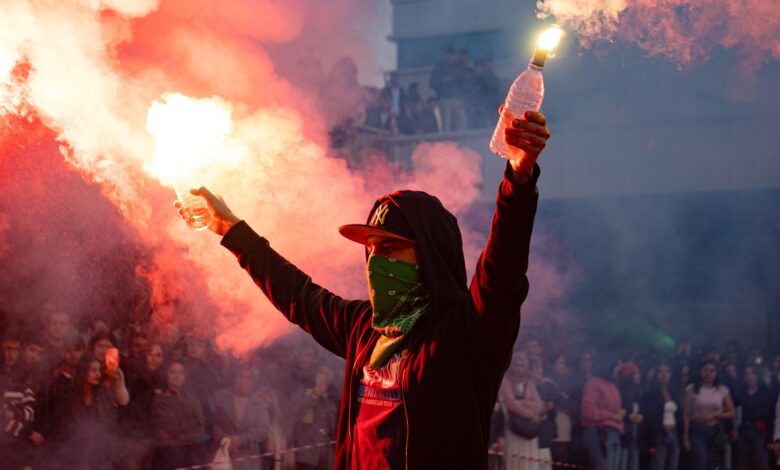
The Black Bloc, characterized by participants wearing all-black clothing, helmets, and masks to obscure their identities, has become a regular feature of protests from France and Italy to Spain and Albania. These groups, often numbering in the hundreds, have been accused of smashing public and private property, setting fire to cars and buildings, and looting consumer goods. Their presence has a distinct impact on the broader protest environment, as their aggressive energy can upend otherwise peaceful demonstrations organized by student groups and professional unions.
The origins of this phenomenon are rooted in the 1980s in Germany, emerging from the “autonomia” social movement. According to Francis Dupuis-Deri, a political science professor at the University of Quebec in Montreal who has authored a book on the subject, these activists were opposed to the state, capitalism, political parties, and even traditional communist and union structures. “They believe in living outside the system,” Dupuis-Deri explained, noting that the movement is defined by a lack of leadership, hierarchy, or official spokespersons. The use of black attire, originally a punk fashion staple, was strategic, designed to prevent police recognition.
While Dupuis-Deri warns against associating the Black Bloc with a specific left or right ideology, noting that right-wing nationalist and neo-Nazi groups in Poland and Germany have occasionally adopted similar tactics, the current European unrest is primarily framed around economic inequality. In France, where mass student and union demonstrations have continued for weeks, the political response to the violence has been polarized. A source close to a left-wing French Member of the European Parliament (MEP), whose party has organized nationwide rallies, declined to discuss the Black Bloc directly, citing the sensitivity of the issue. “A few cases of violence are used by the government to criminalise our movement and our party, so we don’t want to enter the strategy of speaking about it,” the source stated, suggesting that acknowledging the violence could provide ammunition to authorities seeking to delegitimize the broader protest movement.
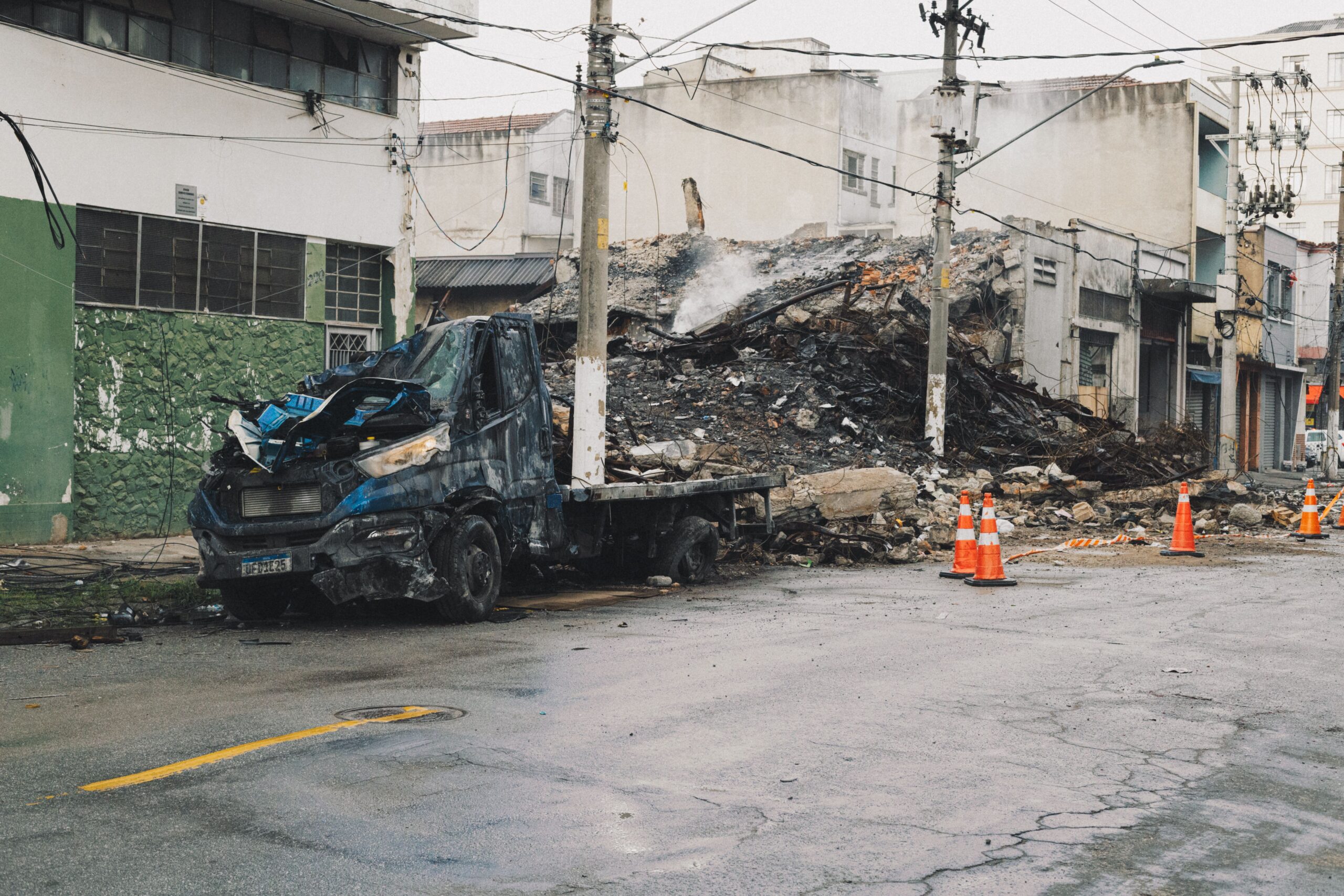
Similar tensions are evident in Italy, where clashes in Rome, Milan, and Turin have resulted in extensive property damage and injuries. However, the political perception of the Black Bloc varies by region and party. Mario Furore, an Italian MEP from the Five Star Movement, stated that he is not aware of any specific movement in Italy inspired by the Black Bloc, highlighting the distinction between organized political protest and the undirected, violent actions of the bloc.
In France, the protests have intersected with the upcoming presidential election, further complicating the political dynamics. Jean-Luc Mélenchon, a hard-left presidential candidate, has become a figure of particular interest to French youth, described as a “Gen Z favourite” despite his controversial status. His encouragement of the youth-led protests has deepened his appeal to younger voters who feel excluded from traditional political channels, while simultaneously making him a more divisive figure in the national discourse.
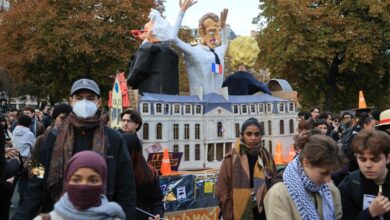
On November 5, the tensions culminated in a major day of action, with hundreds of thousands of striking workers protesting across France against the rising cost of living. Police responded to the demonstrations with tear gas as clashes broke out in several cities. This marked a significant escalation following weeks of youth-led demonstrations, underscoring the depth of public dissatisfaction with the current economic conditions.
Experts and politicians alike are grappling with how to address the dual nature of these protests: legitimate demands for social, political, and economic reform, and the violent methods employed by a subset of activists. While some argue that the Black Bloc brings necessary attention to systemic inequalities, others condemn their actions as counterproductive, arguing that such violence distracts from the legitimate demands of the broader population. The distinction between the organized labor and student movements and the anarchist elements remains a central point of contention in the ongoing political debate.
As the protests continue to sweep across the continent, the next phase of the movement will likely depend on the ability of mainstream political actors to channel the discontent into constructive policy discussions without being derailed by the more radical elements. The convergence of economic hardship and political polarization suggests that this unrest is unlikely to subside quickly, leaving European governments to navigate a complex landscape of civic engagement and public order.