Meloni specifically cited Italy’s absence from several significant recent engagements. Italy is not a member of the E3, a trio comprising the UK, France, and Germany, whose representatives met with officials from Ukraine, the US, and international bodies in Brussels earlier this week. Additionally, Italy was not involved in a separate phone call between Russian President Vladimir Putin and the leaders of Norway and Finland, Jonas Gahr Støre and Alexander Stubb. Meloni also referenced an “informal” meeting held last month in Miami between US and Ukrainian representatives, E3 national security advisers, and European officials, noting that the event was only confirmed by US sources after it had taken place.
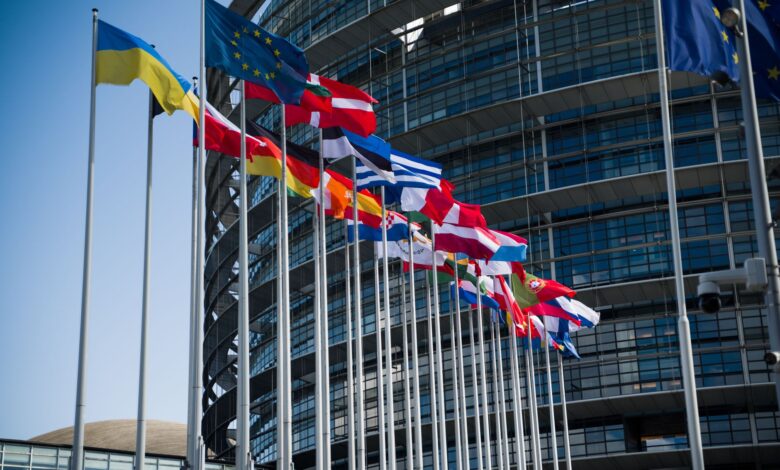
While Italy is invited to a meeting of the “Berlin format” on the sidelines of the European Political Community (EPC) summit in Dublin, Meloni insisted that the issue is not about securing a place for Italy in a specific group. Instead, she expressed concern over the proliferation of uncoordinated groups. She warned that in the absence of a clear mandate, commitments are being negotiated that Italy will subsequently be expected to undertake. “The outcome is far more important to us than the format itself,” Meloni stated. She argued that for Europe to shape the outcome, it must speak with a “single, authoritative voice.”

European Council President António Costa responded to Meloni’s critique by committing to include the matter on the agenda of a one-day EU summit in Dublin next Friday. This summit is scheduled for one day after the EPC gathering. Costa stated that he shares Meloni’s view that the EU must be properly involved in discussions that shape Europe’s security and Ukraine’s future. He emphasized that the EU’s participation must be organized in a manner that allows it to convey a clear and unified message, defend its interests, and support Ukraine.
Despite the official commitment to better coordination, some European diplomats hold a different perspective on the current diplomatic landscape. They view the proliferation of various formats and uncoordinated meetings as an indicator that no substantive peace talks are currently taking place. This internal assessment contrasts with the public emphasis on unifying the European voice, suggesting a disconnect between diplomatic signaling and actual negotiation progress among European capitals.