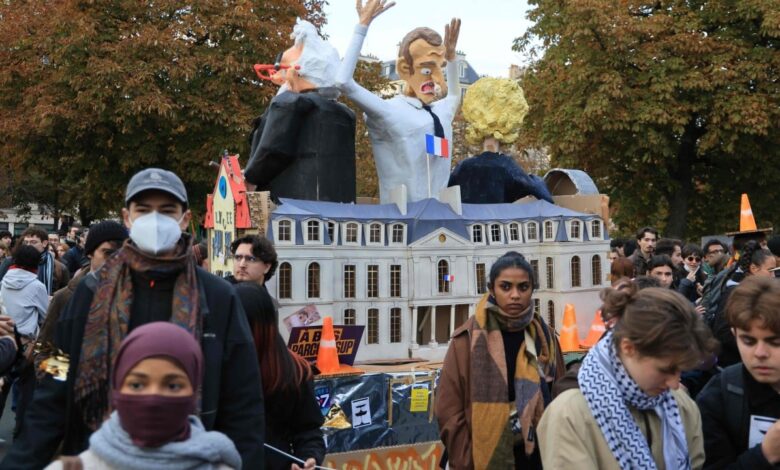
The scale of the mobilization highlights the tangible consequences of nearly a decade under President Emmanuel Macron. For citizens, the abstract concerns of macroeconomic policy have become immediate daily realities, ranging from the purchasing power of the minimum wage to the quality of public education. The protests serve as a direct challenge to the government’s ability to manage the economy, occurring at a critical juncture when investor confidence is already shaken by credit rating adjustments. The convergence of social unrest and fiscal weakness suggests that the political risks facing France are no longer theoretical but are actively manifesting in the streets.
A central point of contention in the ongoing debate is the minimum wage, which has become a symbolic flashpoint for the broader disagreement over how the government should address growing anger. This issue illustrates the bitter division within French society regarding the appropriate response to economic hardship. On one side are those who argue for immediate interventions to protect living standards, and on the other, those concerned with the long-term sustainability of public finances. The inability of the political class to reconcile these competing priorities reflects a deeper structural paralysis. As the source material notes, the two sides of the debate seem to operate in separate realities, failing to find common ground even as the fiscal situation deteriorates.
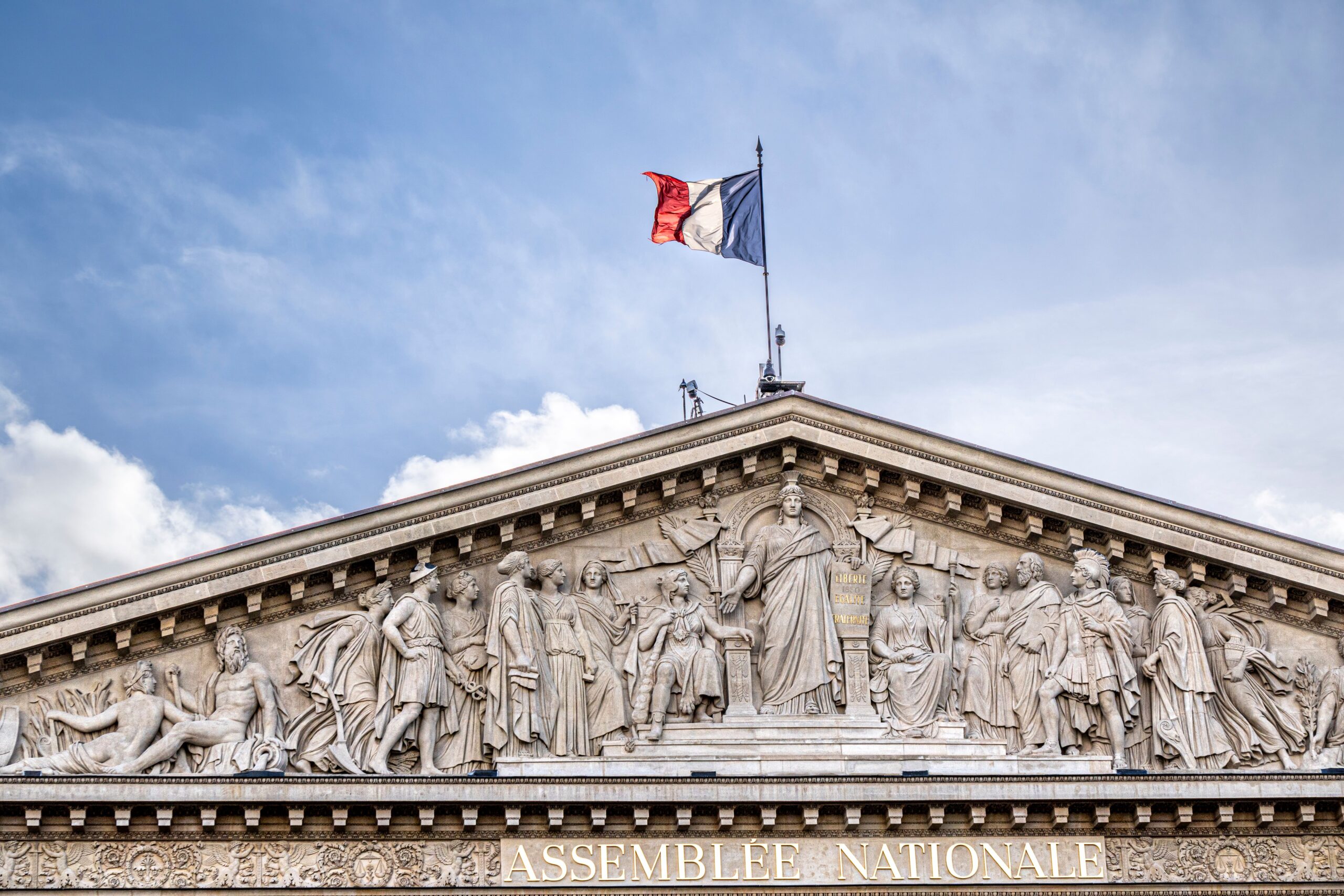
The institutional response to the protests reveals the limits of the current political system. The deployment of 70,000 security personnel indicates a heavy-handed approach to managing civil unrest, yet it does not address the underlying grievances. The term “paralyzed political system” used in the context of the reports suggests that legislative and executive branches are struggling to produce coherent policy responses. This paralysis is exacerbated by the proximity of presidential elections, which likely incentivizes political actors to prioritize electoral positioning over substantive fiscal reform. In this environment, the government finds itself caught between the need to reassure markets through fiscal discipline and the need to appease a populace that feels left behind by economic trends.
The recent credit outlook downgrade adds a layer of urgency to these domestic disputes. Credit ratings are a key indicator of a country’s ability to service its debt, and a downgrade typically leads to higher borrowing costs. For France, this means that the fiscal headroom available to address social grievances is shrinking. The government faces a classic policy dilemma: cutting spending or raising taxes to satisfy creditors may further inflame public anger, while ignoring fiscal constraints could lead to a sovereign debt crisis. The protests, therefore, are not merely social events but political signals that the current trajectory is unsustainable. The anger building over the past decade has reached a tipping point where symbolic acts of protest are accompanied by tangible economic pressures.
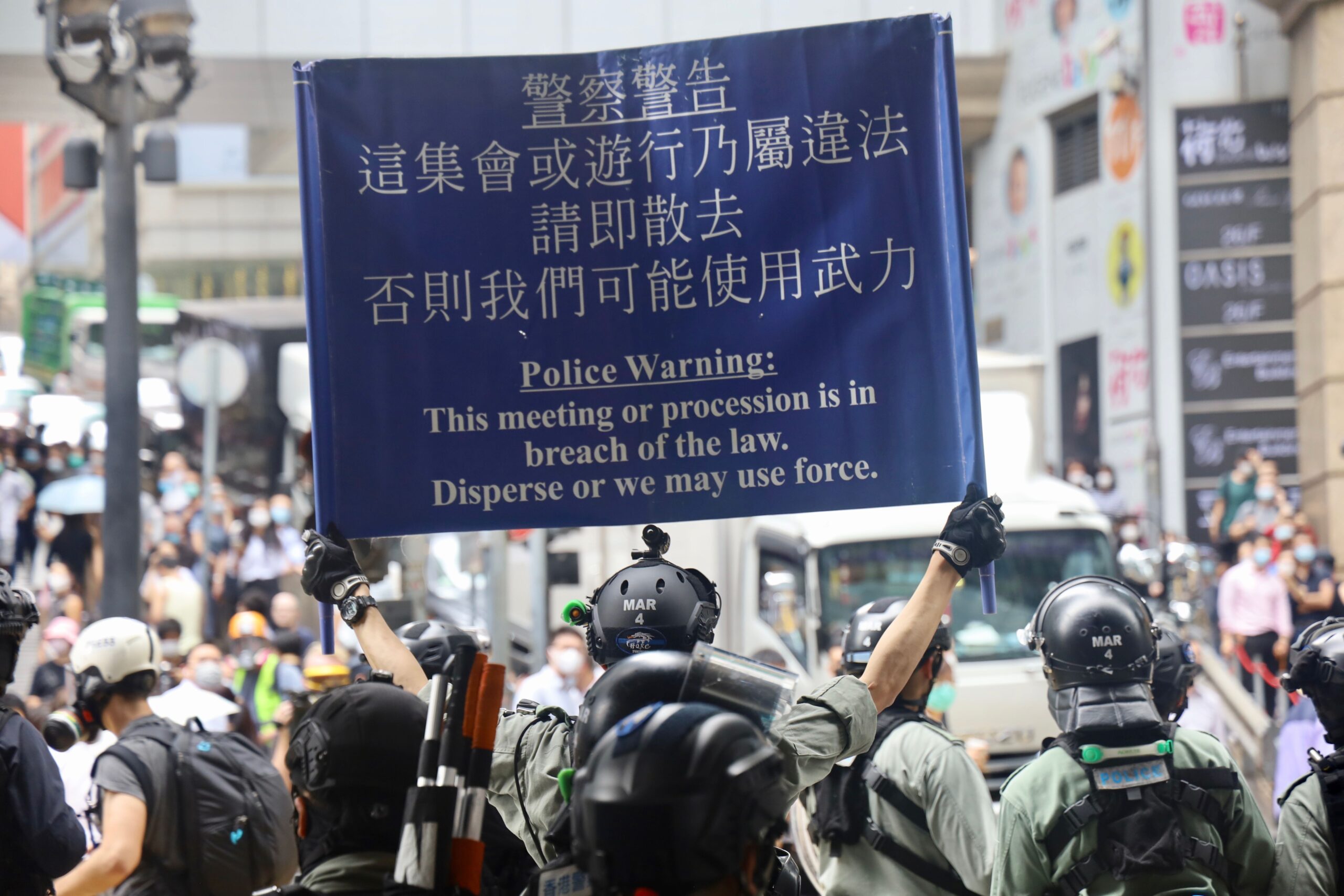
As the country moves closer to the presidential elections, the contrast between the government’s fiscal constraints and the public’s expectations for improved living standards will likely define the electoral landscape. The “increasingly divided society” described by observers suggests that traditional political coalitions may be difficult to form, further complicating the path to fiscal stability. The next formal step in this political process remains uncertain, but the coming months will likely be marked by continued tension between the state and its citizens. The unresolved question is whether the political system can restructure itself to address the root causes of this anger before the next election cycle forces a more radical break from the status quo. For now, the streets speak louder than the parliament, signaling that the status quo is no longer viable for a significant portion of the French population.