

A fallen power line on a high-voltage transmission route caused a widespread electricity outage across the Czech Republic on Friday, halting public transport in Prague and forcing the activation of national crisis protocols. While authorities confirmed the incident was not a cyberattack, the event highlights vulnerabilities in the grid’s resilience and ongoing debates about infrastructure investment.
A significant power outage disrupted electricity supply across large portions of the Czech Republic on Friday, marking one of the most severe grid failures in the country’s recent history. The incident, triggered by a physical failure in the high-voltage transmission network, knocked out power to major urban centers, including Prague, and forced a nationwide emergency response.
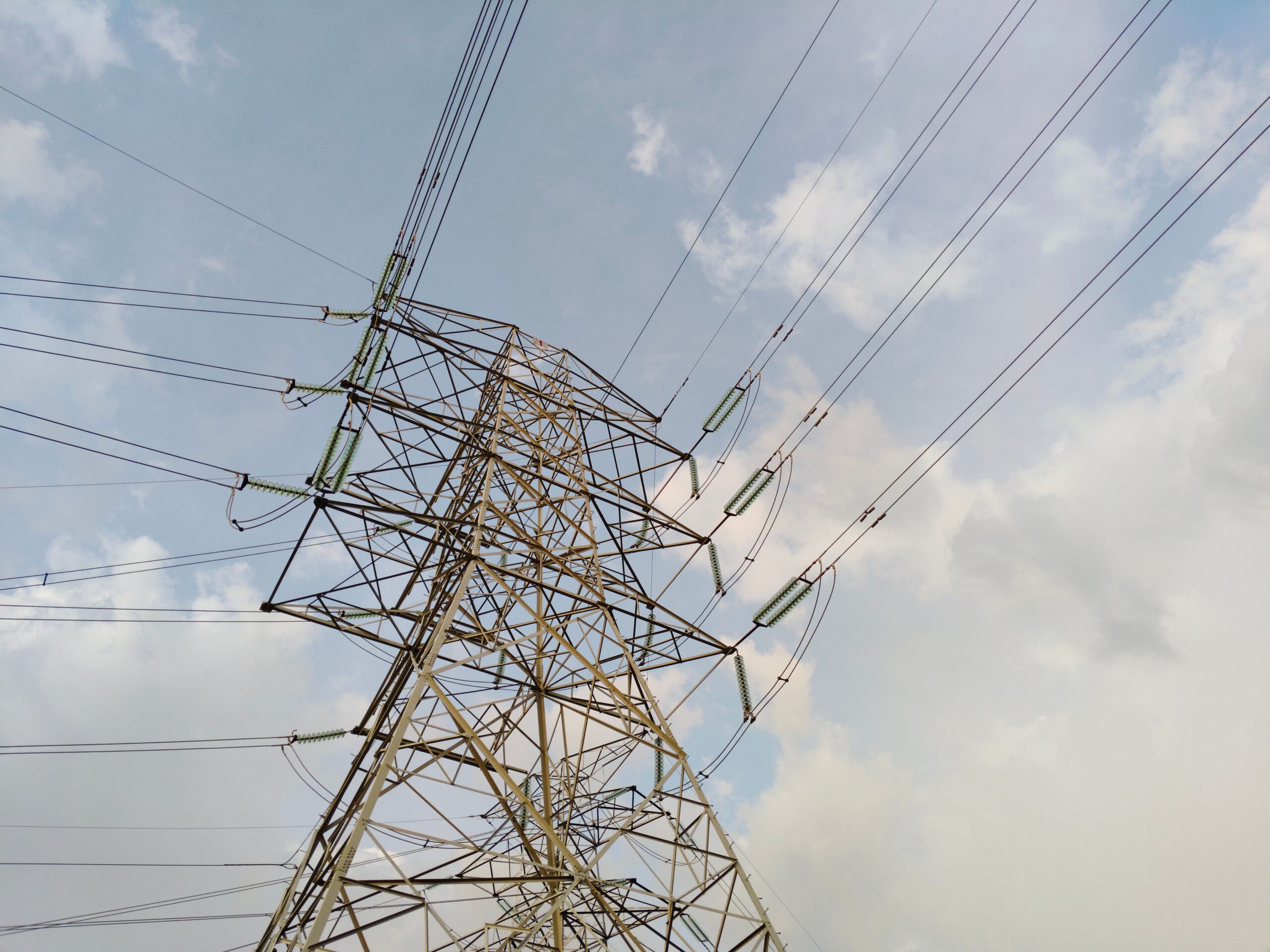
According to the Czech transmission system operator, ČEPS, the blackout was initiated by the fall of a phase conductor on transmission line V411. The exact cause of the conductor’s failure is currently under investigation. The fault resulted in the loss of power to eight major substations. While five of these substations were restored by early afternoon, the broader impact on the national grid persisted, with Industry Minister Lukáš Vlček warning that the issue would take “hours” to fully resolve rather than minutes.
The immediate consequences were felt most acutely in the capital, Prague. Karel Hanzelka, a spokesperson for Prague’s power provider PRE, described the technical failure as an issue within the “upper-level transmission grid,” noting that electricity effectively stopped flowing into the capital from external sources. The disruption halted the city’s entire metro network temporarily; lines A and C were restored within 15 minutes, while line B required approximately 30 minutes. Tram services on the eastern bank of the Vltava River were suspended, while those on the left bank remained operational, a distinction that underscores the localized nature of the substation failures despite the national scale of the event.
Rail transport suffered extensive damage to its schedule. Martin Kupka, the Transport Minister, reported that train lines in five of the country’s 14 districts were halted. Railway administration spokesperson Martin Kavka confirmed “widespread irregularities,” with trains stranded on key routes between Prague and major cities such as Děčín, Olomouc, and Brno. Emergency crews were deployed to evacuate passengers from nine stranded trains, highlighting the immediate physical risks associated with sudden grid failures in high-density transit corridors.
The event also exposed vulnerabilities in critical infrastructure beyond transport. Fire brigades reported an influx of calls regarding rescues from elevators and fires caused by diesel backup generators activating simultaneously. In a particularly concerning development, the Central Military Hospital in Prague’s Střešovice district experienced a power loss where backup generators failed to engage as expected. Operations in windowless operating rooms were paused for approximately 20 minutes, with ventilators relying on battery power. While hospital spokeswoman Andrea Štorchová stated that the interruption lasted only “a few minutes” with unstable voltage causing backup systems to cycle, medical staff reported a longer duration of total darkness. This incident has reignited scrutiny over the hospital’s energy center, where planned repairs were delayed due to budget cuts; the institution had anticipated 500 million crowns in investment but received only 90 million.
Government response was swift. Prime Minister Petr Fiala, a member of the Civic Democratic Party, described the situation as “extraordinary and unpleasant” and convened the Central Crisis Staff at 4:00 p.m. to coordinate the national response. Addressing growing public concern, the National Cyber and Information Security Agency and the counterterrorism unit confirmed there was no evidence of a cyberattack or terrorist act. Police similarly stated they had no information suggesting malicious intent. This official stance contrasts with the atmosphere surrounding the massive blackout that affected Spain and Portugal earlier in the year, an event attributed to a voltage surge but which initially raised fears of a cyber intrusion.

The timing of the blackout coincides with a recent heat wave across Europe, a period when electricity demand for cooling systems typically peaks. However, meteorological data indicates that Prague’s temperatures had moderated to 25 degrees Celsius (77 Fahrenheit) on Friday, down from 34 degrees (93 Fahrenheit) the previous day, suggesting that peak demand loads were not the primary trigger for the collapse. Neighboring Poland reported no similar issues, and E.ON, which operates the grid in southern Czechia, stated its supply was unaffected, indicating the fault was isolated to the northern and central transmission infrastructure.
The incident serves as a stark reminder of the distinction between installed capacity and grid reliability. While the Czech grid may have sufficient generation capacity, the interdependence of high-voltage transmission lines means a single point of failure can cascade into a regional blackout. As the technical investigation into the fallen conductor on line V411 continues, the focus will likely shift to the structural integrity of the grid and the adequacy of backup power systems in critical facilities such as hospitals and transit hubs. The next critical milestone will be the formal report from ČEPS detailing the root cause of the conductor failure and the specific vulnerabilities in the substation protection systems that allowed the fault to propagate.
**