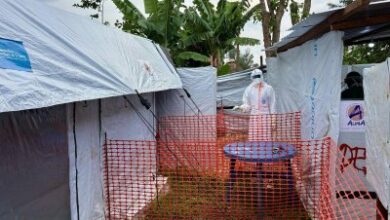
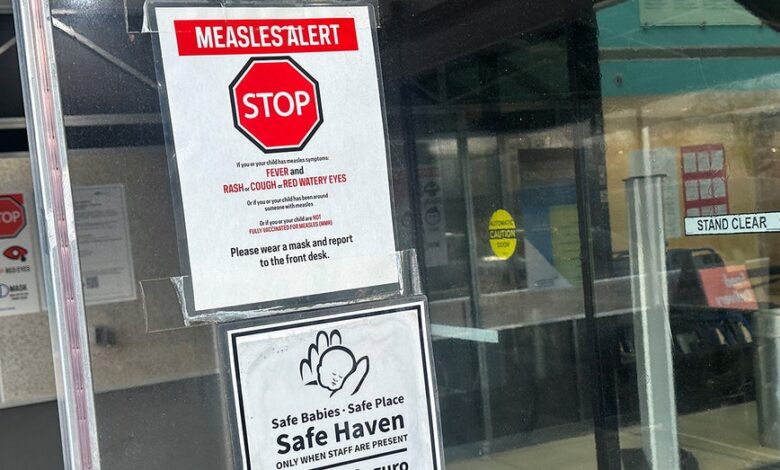
Wisconsin is currently experiencing its largest measles outbreak in more than 35 years. As of Thursday, the state has recorded 431 cases across 13 counties, up from 335 cases just two weeks prior. While the 2025 total was only 36 cases, the current surge is characterized by domestic spread through family members and community contacts, rather than the international travel patterns seen in previous years. More than 350 of these cases are concentrated in southwestern Wisconsin, with Columbia County reporting its first cases on Wednesday. Nine individuals have required hospitalization for severe symptoms.
State health officials caution that the reported figures likely underestimate the true scale of the outbreak, as not all infected individuals seek medical care or testing. DHS Secretary Kirsten Johnson emphasized the preventable nature of the disease, stating, “Any death of a child is a tragedy and even more so when it is related to a vaccine-preventable disease.” She urged residents to evaluate their risk and take steps to protect their families, noting that measles can cause life-threatening complications such as pneumonia and swelling of the brain.
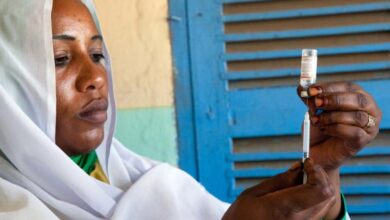
The outbreak is occurring against a backdrop of insufficient community immunity. Dr. Ryan Westergaard, Wisconsin’s chief medical officer, identified low vaccination rates as the central issue, noting that MMR vaccination coverage among kindergarteners is approximately 85%. This is well below the roughly 95% coverage required to prevent the virus from finding new susceptible hosts. Two doses of the measles, mumps, and rubella (MMR) vaccine are 97% effective at preventing infection, while a single dose is 93% effective. Since August 1, the state has delivered 2,000 doses of the MMR vaccine to local health departments in affected areas, and providers have administered more than 42,000 doses.
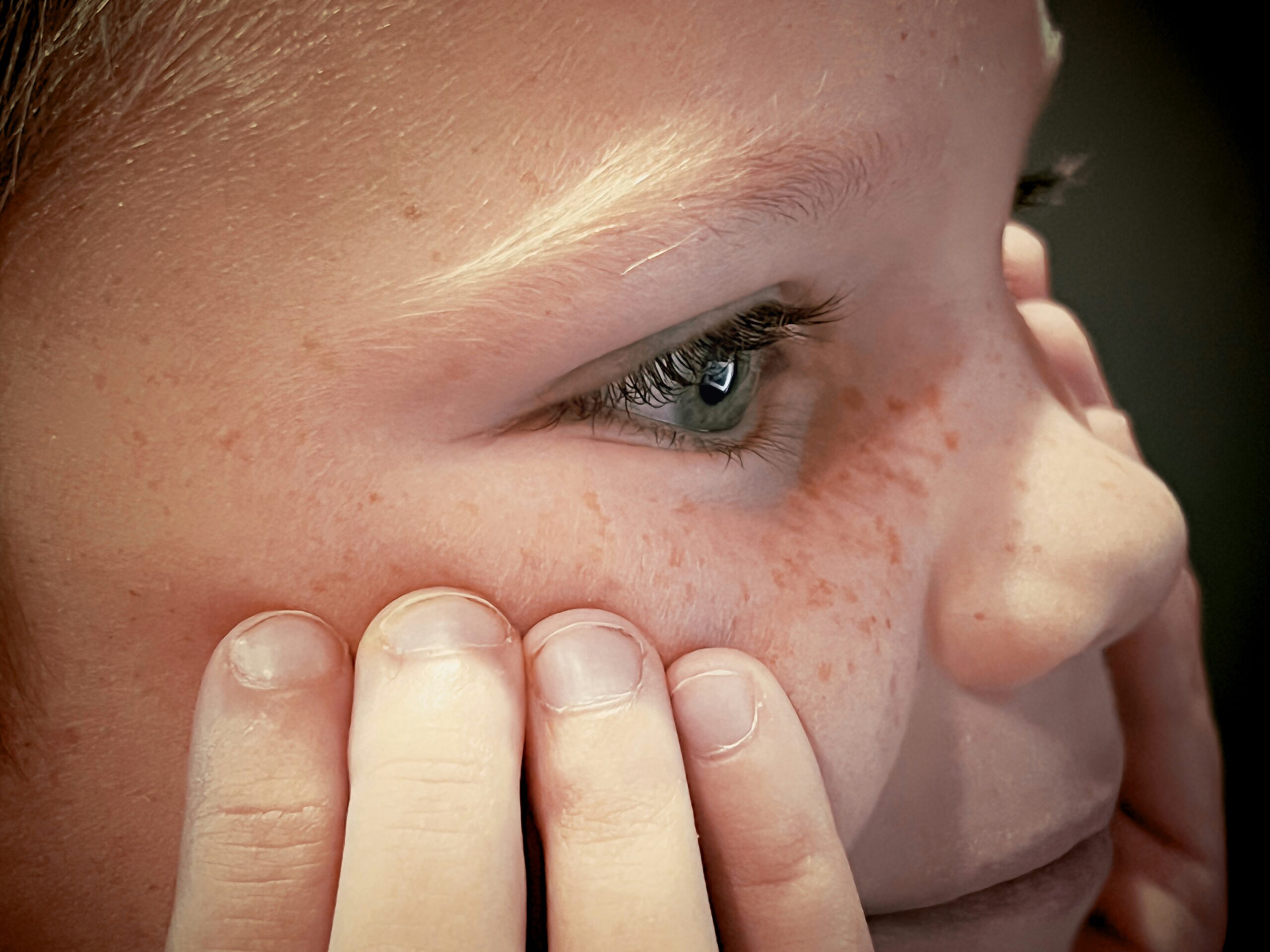
Public health experts warn that unvaccinated individuals, particularly those under age 5, pregnant people, and those with weakened immune systems, face the highest risk of severe illness. Estimates suggest that among unvaccinated children, one to three out of every 1,000 may die from respiratory or neurologic complications. As of November 3, the Centers for Disease Control and Prevention (CDC) has reported 4,852 total measles cases in the United States this year. Officials continue to urge unvaccinated individuals who have been exposed to contact a clinician immediately, as prompt action can mitigate the severity of the disease.