
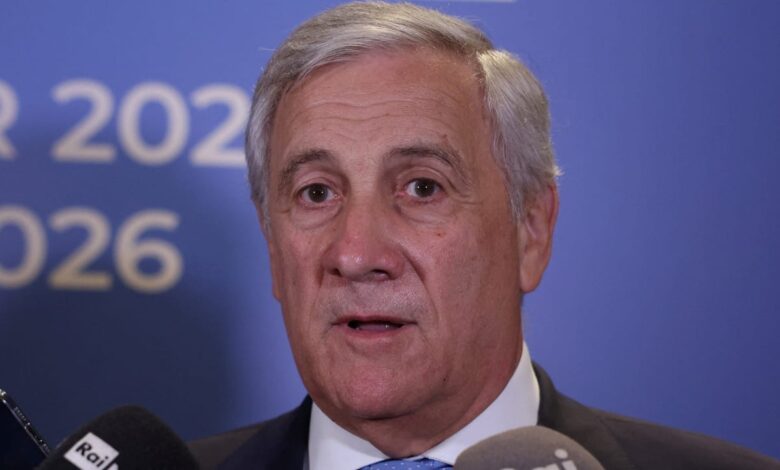
Tajani stated that the exposure of his data was a direct response to the Italian government’s “position on Ukraine.” In his public statement, he noted that supporting “the freedom and independence of a sovereign state” in a transparent manner had made him a target. The minister described the actors as “pro-Russian hackers” and indicated that they were actively seeking further information about him and his family. He added that these individuals were “prepared to pay for other details,” suggesting an ongoing attempt to expand the scope of the compromise beyond the initial leak. This characterization aligns with the assessment of Prime Minister Giorgia Meloni, who explicitly blamed “pro-Russian hackers” for the security breach, branding the sale of confidential information about public officials as “a matter of grave concern that must be addressed with the utmost determination.”
Technical verification of the incident has emerged through cybersecurity monitoring. Screenshots reviewed by Reuters showed Tajani’s image listed among 18 individuals described as “citizens hostile to the Russian Federation.” This list also included cybersecurity experts, indicating that the targeting extended beyond a single political figure to broader sectors of Italian infrastructure and governance. The material was located in a section of the dark web accessible via the Tor network, a tool commonly used to anonymize online activity. A person close to the minister confirmed to Reuters that the data was found during monitoring by cybersecurity authorities, and that further investigations were currently under way.
The incident occurs against a backdrop of heightened digital and physical instability across the European Union. Italy, alongside other EU and NATO member states, has provided humanitarian and military assistance to Ukraine as it defends against what DW describes as a nearly five-year Russian invasion. Tajani indicated that the attacks were also a response to the Foreign Ministry’s internal efforts to strengthen its own cybersecurity posture. This suggests a reactive dynamic in which defensive digital hardening may be triggering offensive probing by the opposing side. The timing of the breach also coincides with a string of bomb threats that have grounded flights across the EU, contributing to a wider atmosphere of unease regarding the stability of European civilian infrastructure.
Europe is currently grappling with what analysts term a “dizzying number” of suspected hybrid attacks thought to be orchestrated by the Kremlin. These operations have moved beyond the digital realm to include drone incursions and sabotage within NATO territories, as well as disruptions to food supplies and threats against media outlets. The targeting of Tajani fits into this broader pattern of intimidation and destabilization. By exposing the personal data of high-ranking officials, the attackers aim to create a chilling effect, forcing public servants to weigh the personal risks of their diplomatic stances. However, both Tajani and Meloni have sought to neutralize this psychological impact. Tajani declared, “I will not allow myself to be intimidated in any way,” affirming his intent to continue defending his ministry and strengthening ties for collective protection. Meloni’s support for Tajani underscores the Italian government’s resolve to maintain its support for Ukraine despite the personal risks faced by its leadership.
The technical specifics of the breach remain partially opaque, as Tajani did not specify the exact types of information shared, though the ongoing nature of the criminal activity was emphasized. The involvement of cybersecurity experts in the same list of “hostile citizens” suggests that the threat actors are mapping the defensive capabilities of Italian institutions, not just targeting political figures. This dual-target approach complicates mitigation efforts, as protecting the personal data of politicians and securing the technical infrastructure of the state are interconnected yet distinct challenges.
Russia has not commented on the specific incident involving Tajani. The Kremlin has consistently denied involvement in cyberattacks or hacking operations abroad, a standard diplomatic position that complicates attribution and international cooperation. Without an official admission, the burden of proof rests on the cyber forensics conducted by Italian and potentially allied authorities. The investigation is now a matter of national security, with the data leak serving as both a security failure and a political statement.
As the investigation continues, the incident highlights the expanding battlefield of the conflict in Ukraine, where digital sovereignty and personal security have become inextricably linked to foreign policy. The publication of Tajani’s data on the dark web is not merely a privacy violation; it is a calculated move in a hybrid war that tests the resilience of democratic institutions. The next confirmed development will likely depend on the outcome of the ongoing investigations by cybersecurity authorities, which aim to trace the source of the leak and prevent further exploitation of the exposed data.





2 Comments