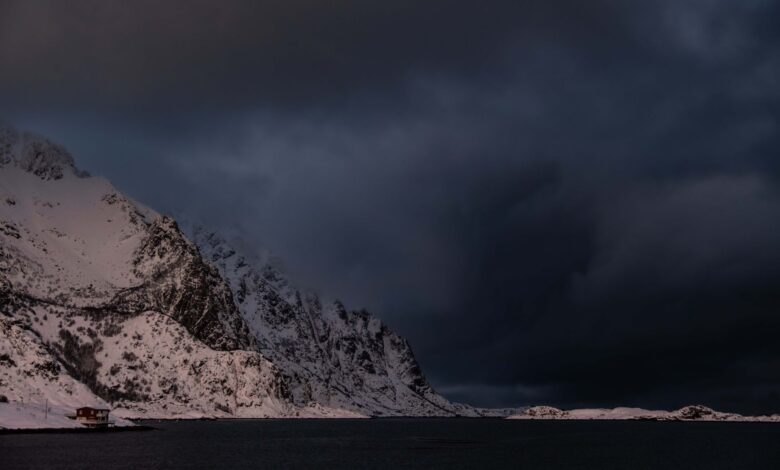
The primary focus of the current meteorological outlook is the intensifying temperature anomaly in the north. While specific numerical measurements for the anomaly’s peak magnitude are not detailed in the available reports, the characterization of the event as “extreme” suggests a substantial departure from historical norms for the area. This warming pattern is occurring alongside dynamic wind conditions in the province of Alberta.
In Alberta, the immediate concern is the strength of the winds expected to sweep through the region. These winds are identified as a precursor to a broader warming trend. The term “unusual” is applied to the November warm-up, indicating that the temperatures being forecast are higher than what is statistically typical for this time of year. The sequence of events—strong winds followed by warming—suggests a specific atmospheric mechanism is driving the weather pattern across these Canadian regions.

The reports do not specify the exact dates for the peak of the temperature anomaly or the maximum wind speeds expected in Alberta. Furthermore, no specific locations within Northern Canada or Alberta are identified beyond the general regional designations. The sources do not provide data on potential impacts to infrastructure, agriculture, or public safety, nor do they cite specific agencies issuing the warnings.
There is no indication in the provided material that this weather event is linked to long-term climate change trends, nor are there any casualty figures or damage estimates. The information is strictly meteorological, focusing on the forecasted state of the atmosphere rather than observed consequences. The relationship between the Northern Canadian temperature anomaly and the Alberta wind events is presented as part of the same broader weather system, though the sources do not explicitly detail the causal link between the two specific phenomena.
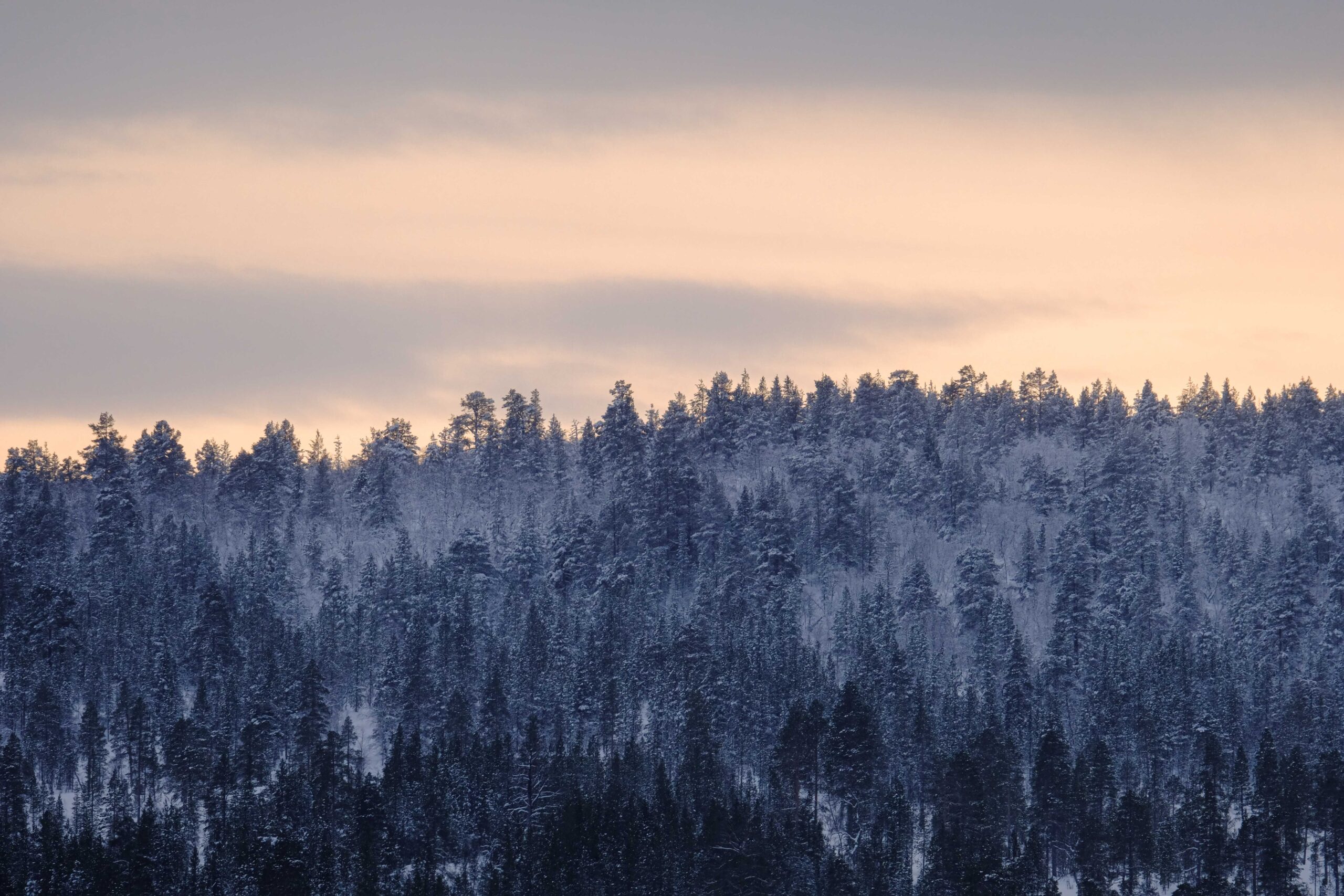
The next step in this weather event will be the materialization of the forecasted conditions. Monitoring of the temperature anomaly’s progression and the wind speeds in Alberta will determine the actual severity of the event. Until further data is available, the outlook remains focused on the anticipated extreme warmth in the north and the strong winds affecting Alberta.