The production downgrade is accompanied by a significant increase in estimated costs. Ivanhoe raised its 2027 cash cost (C1) guidance to $2.50–$3.00 per pound, up from $2.10–$2.50, citing prolonged high diesel prices, lower ore grades, and reduced production volumes. Founder and co-chairman Robert Friedland stated that the revised guidance reflects a “disciplined approach” to prioritize operational stability and the sustainable recovery of annualized production to approximately 500,000 tonnes. The company also lowered the expected steady-state annual production capacity of its existing Phase 1, 2, and 3 concentrators to 400,000–450,000 tonnes as it prepares to introduce shallow open-pit mining alongside underground operations.
Market analysts have reacted to the increased uncertainty surrounding the mine’s recovery timeline. TD Cowen analyst Craig Hutchison downgraded Ivanhoe to “hold” from “buy” and slashed his target price to C$9 ($6.42) from C$14, noting that the path back to 500,000 tonnes annually has become “longer, more capital intensive and more dependent on future execution.” This stumble contrasts with the progress of rival US miner Freeport-McMoRan, which has approved an expansion at its Bagdad mine in Arizona targeting additional production by 2030.
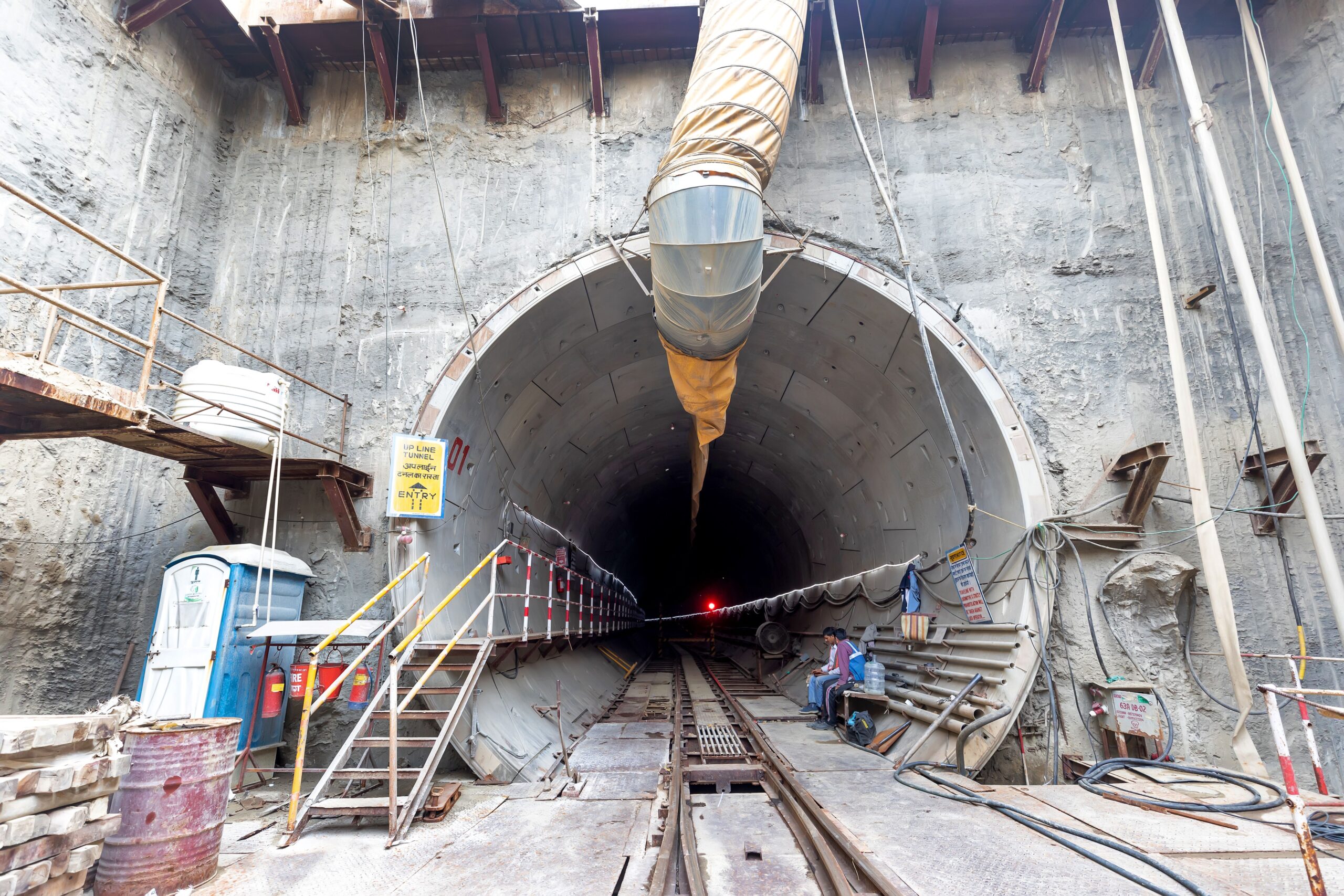
While major established mines face hurdles, new projects are advancing in other regions. In Australia’s Northern Territory, KGL Resources has made a final investment decision to proceed with the development of its Jervois copper project, located approximately 380km east of Alice Springs. The company aims to become Australia’s next medium-sized copper producer, with operations scheduled to last at least 10 years and producing an average of 30,000 tonnes annually. Construction is currently underway, with a 72-person camp installed and a $36 million, 180-room village being assembled by Northern Transportables.
KGL Resources expects to begin producing high-grade copper concentrate in the first half of 2028. The project requires a peak construction workforce of about 350 fly-in, fly-out workers, with the operational workforce expanding to over 500 once the mine transitions from open-pit to underground mining after roughly five years. Chief Executive Sam Strohmayr noted that the project required extensive groundwork, including over 250 kilometers of drilling and lengthy environmental permitting and Indigenous land use agreements. The company secured necessary funding through a $300 million equity raising in June and a $US300 million ($434 million) funding agreement with Wheaton Precious Metals in April, which allows Wheaton to purchase gold and silver by-products at a discount.

The diverging timelines for these projects underscore the volatility in global copper supply. While the world’s largest new mine struggles to restore pre-incident output levels, new mid-sized producers are entering the construction phase, betting on sustained high metal prices. The next key milestone for Ivanhoe is the start of waste rock stripping in the first quarter of 2027, with first ore from the new starter pits expected in the third quarter.