The primary driver behind this anticipated price correction is not a sudden domestic change in refining capacity, but rather a shift in global geopolitical risk premiums. Rino Abad, director of the DOE’s Oil Industry Management Bureau, explained that the reductions are linked to developments following the United States midterm elections. The election outcomes raised the possibility that the opposition party could gain control of Congress, a development that weakened market expectations that the administration of US President Donald Trump would pursue its policies without significant legislative opposition. This political shift appears to have calmed investor nerves, leading to a decline in the volatility premium attached to crude oil contracts.
Compounding this political easing is the expectation of a possible end to the US-Iran conflict. Tensions between the two nations had previously stoked fears of potential disruptions to global oil supplies, particularly through the Strait of Hormuz, a critical chokepoint for international energy trade. As the prospect of conflict resolution gained traction, concerns over supply shortfalls eased, allowing wholesale oil prices to retreat. This global softening in crude prices is now being transmitted to the local retail market through the Philippines’ fuel pricing mechanism, which ties domestic pump prices closely to international benchmarks and market conditions.
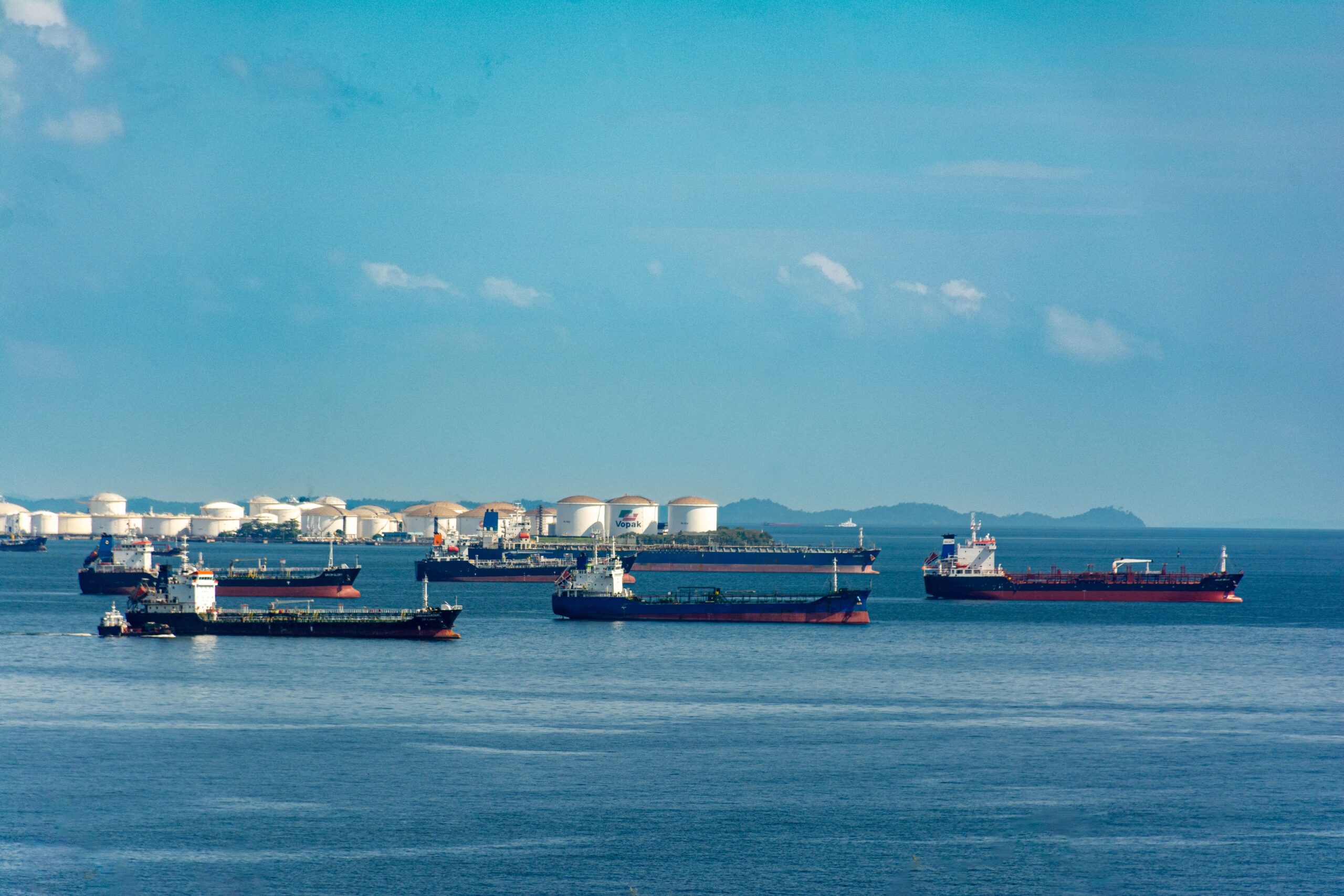
Despite the welcome news for consumers, industry officials have issued a clear caveat regarding the durability of these savings. Abad cautioned that the decline in oil prices may not be sustained unless it is supported by an actual recovery in physical oil supply. The distinction is critical: while financial markets can react quickly to political headlines and risk sentiment, the physical flow of barrels from refineries to ports is governed by production rates, logistics, and inventory levels. If the geopolitical easing does not translate into increased physical supply or stabilized production, the price rollbacks could prove temporary, with prices potentially rebounding as market fundamentals reassert themselves.
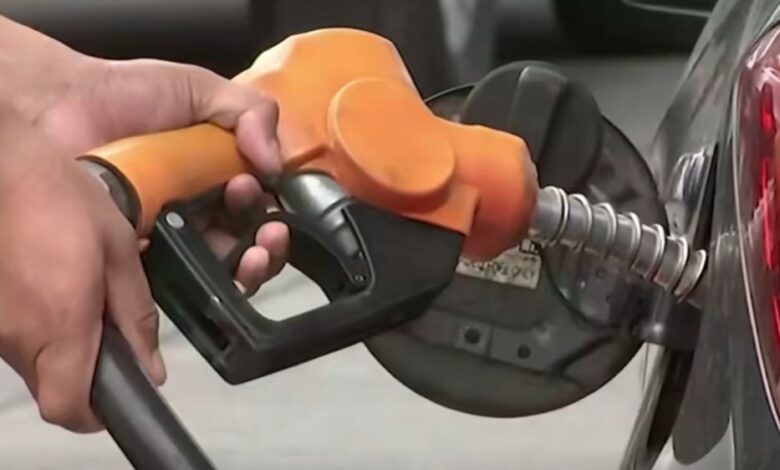
The magnitude of the expected drop varies slightly between official estimates and industry sources, highlighting the dynamic nature of the market. While the DOE’s official projection cites a maximum rollback of P14 per liter for gasoline, an oil industry source indicated that motorists might see a decline of up to P13.50 per liter for gasoline and P4.50 per liter for diesel. This minor discrepancy reflects the ongoing fluctuations in trading prices throughout the week and the complex calculation of landed costs, which include freight, insurance, and refining margins alongside the base crude price. For the average household, however, the difference between a P13.50 and a P14 reduction, while small on a per-liter basis, accumulates over a full tank, offering tangible savings in a cost-of-living environment where fuel expenses are a major recurring outlay.
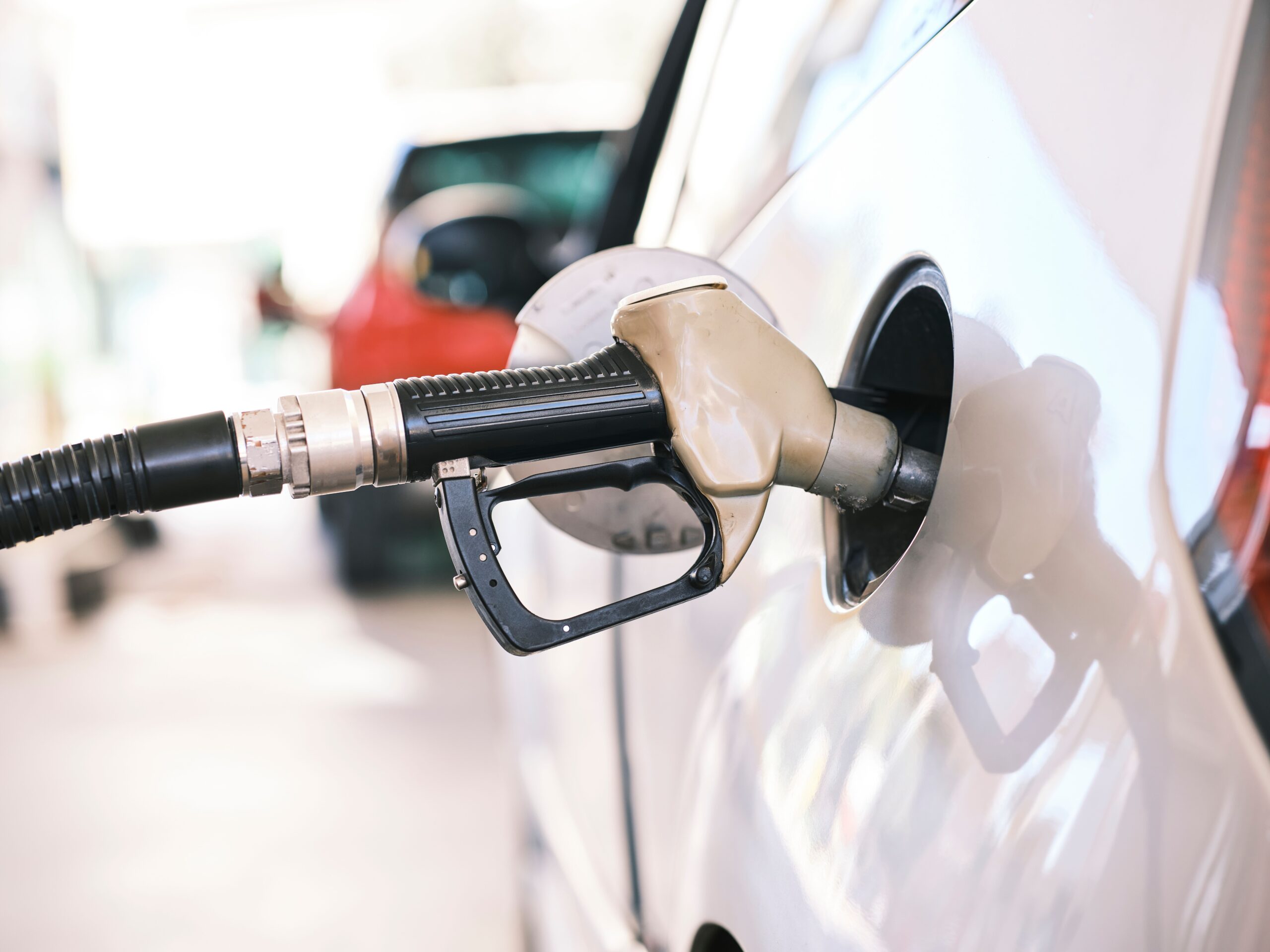
The energy transmission from global politics to the local pump underscores the interconnectedness of modern energy systems. In the Philippines, which imports the vast majority of its refined petroleum products, domestic fuel prices are inherently exposed to external shocks. The recent trajectory demonstrates how quickly geopolitical de-escalation can impact consumer wallets, providing a buffer against inflationary pressures. Yet, it also illustrates the fragility of these gains; the same factors that caused prices to rise due to conflict anxiety can reverse quickly if tensions flare again or if supply chains face physical bottlenecks unrelated to geopolitics.
As the next week’s price adjustments take effect, the focus will shift from speculative market movements to the tangible reality of supply and demand. The DOE’s monitoring will continue to track whether the physical supply conditions align with the optimistic price signals. For now, the immediate impact is clear: a significant easing of fuel costs that offers a reprieve to drivers, businesses, and logistics operators. The sustainability of this relief, however, remains a question of physical market fundamentals, waiting to be answered by the flow of oil through global supply chains over the coming months.