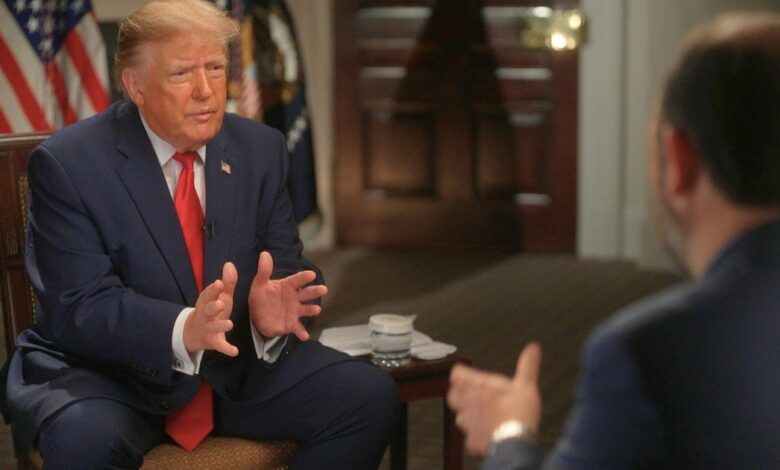
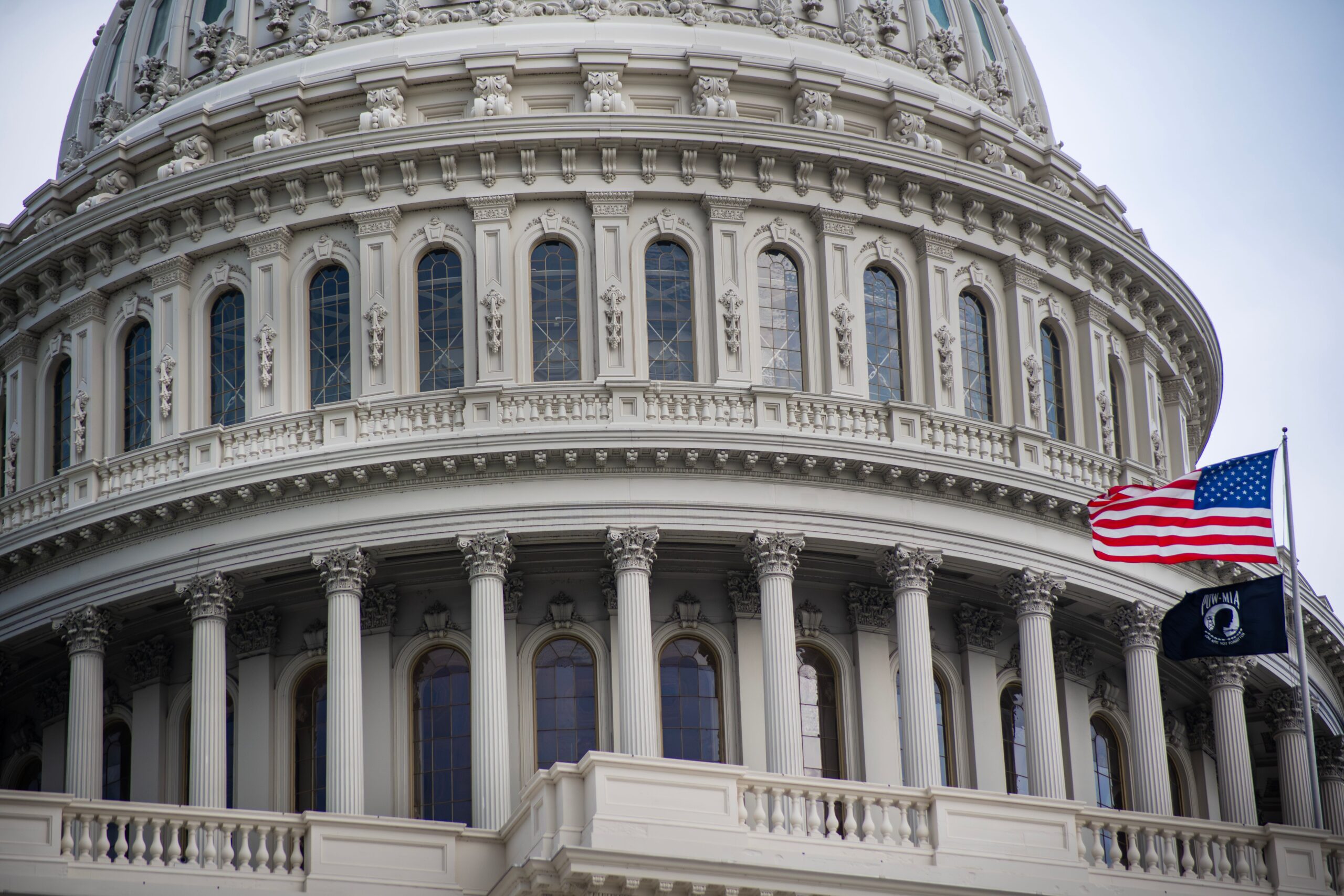
The midterm losses have shifted the balance of power in Washington, granting Democrats in Congress new authorities over budgets, hearings, and subpoenas. Following the election, President Trump publicly congratulated the Democrats and expressed openness to working with the new majority. The President specifically identified immigration as a primary area for potential bipartisan cooperation, stating, “I’d love to do something on immigration.”
When questioned by interviewer Ross Douthat about whether his crackdown on illegal immigration contributed to the electoral defeat, President Trump acknowledged that the policy “both helped and hurt” his party. While claiming high marks for securing the border and removing individuals deemed dangerous, the President admitted that the enforcement actions may have been “too tough.” He noted that a significant portion of the electorate believes that immigrants who commit only minor violations, such as entering the country illegally, and who work in sectors like landscaping or hospitality, should be permitted to remain in the United States.
The President suggested that a legislative deal with the Democratic majority on this issue is “actually doable.” This statement follows his earlier assertion that the media does not cover positive news for Republicans, forcing him to manage public perception directly. Despite the electoral setback, the President maintained that the U.S. economy remains strong in his second term, dismissing polling data that indicates widespread voter dissatisfaction with cost of living and inflation.
The political landscape entering the new congressional session is characterized by this shift from confrontation to potential negotiation on specific policy fronts. The President’s admission that his immigration enforcement was excessive represents a notable concession regarding the scope of his executive actions. As the new Congress assumes its powers, the focus will likely turn to whether the stated willingness to collaborate on immigration translates into legislative action or remains a rhetorical posture.