
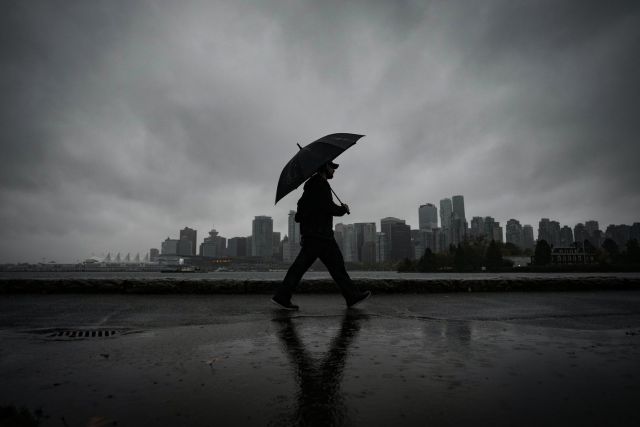
According to reporting by Castanet, the current storm system is the third in a series to hit the province. This pattern of sequential storms has cumulatively disrupted daily life and emergency response capabilities. The immediate human cost includes one death, with additional impacts manifesting as widespread power outages affecting thousands of residents. Mandatory evacuations have also been triggered in areas threatened by the storm’s effects, indicating significant risks to public safety and property.
Environment Canada has responded to the developing situation by issuing wind warnings and special weather statements. These official advisories predict heavy rain across large swaths of the province. The geographic scope of the warnings suggests that the impacts are not isolated to a single municipality but are affecting a broad regional area. The combination of heavy rainfall and high winds typically exacerbates the risk of flooding, landslides, and tree falls, which are common drivers of the power outages and evacuations reported.

The significance of this event lies in its persistence. While individual storms are seasonal occurrences, the arrival of a third system in rapid succession places additional pressure on utility grids, emergency services, and local governance. The fact that power outages occurred over the weekend and persist into the current storm cycle suggests that repair crews are operating under challenging conditions, potentially prolonging the duration of service disruptions for affected communities.
It is important to distinguish between the immediate weather event and broader climate trends. While the source material does not provide specific attribution science linking this particular storm sequence to long-term climate change, the intensity and frequency of such weather patterns are subjects of ongoing scientific observation. The reported outcomes—fatalities, evacuations, and infrastructure failure—are direct results of the mechanical forces of wind and water, rather than speculative future projections.
For residents and local authorities, the focus remains on adaptation and immediate response. The deployment of evacuation orders and the monitoring of power grid stability represent the standard operational responses to extreme weather. The economic and social costs of these disruptions, while not quantified in the provided source, are inherent in the loss of service and displacement of residents.
As the third system progresses, the primary concern for public health and safety is the potential for further infrastructure damage. The heavy rain predicted by Environment Canada may lead to increased water levels in rivers and streams, raising the risk of flooding in low-lying areas. Wind warnings continue to alert the public to the danger of falling debris and hazardous driving conditions.
The situation highlights the importance of resilient infrastructure and effective emergency communication. The ability of utilities to restore power and of emergency managers to execute evacuations safely is critical in minimizing long-term impacts. As the storm system moves through the province, monitoring of weather conditions and infrastructure status will remain the priority for local officials and residents alike.