

The immediate impact of the storm has been the disruption of essential utilities for residents in the affected areas. While emergency officials confirmed that repair crews were actively working to restore the supply, the precise number of individuals impacted and the specific geographic concentration of the blackouts were not immediately disclosed. Authorities indicated that the restoration process was expected to be completed by approximately 8 p.m. Moscow time on the day of the incident.
This outage is not an isolated incident but rather symptomatic of deeper structural vulnerabilities within the region’s infrastructure. Dagestan, one of Russia’s poorest regions, frequently experiences power outages and other utility failures. The fragility of the local electrical grid is underscored by recent data from the republic’s housing ministry, which reported in 2024 that an estimated 70% of its municipal infrastructure is critically worn out. This high percentage of aging assets suggests that the current grid may be poorly equipped to handle the stress of extreme weather events, leading to cascading failures when conditions turn severe.
The broader context of infrastructure decay in Dagestan has previously intersected with public safety concerns and political consequences. Earlier this year, deadly floods struck the region, sparking public outrage over the failure of infrastructure to protect communities. It is widely believed that this dissatisfaction was a contributing factor in President Vladimir Putin’s decision in May to remove Sergei Melikov, the former head of Dagestan, from his post. The recurrence of utility failures during adverse weather conditions reinforces the ongoing challenges the region faces in maintaining reliable services despite these political shifts.
It is important to distinguish between the immediate cause of the outage and long-term climate trends. While the report identifies “inclement weather” as the trigger, it does not provide specific meteorological data or attribution studies linking the event to long-term climate change. The description of heavy rain, snowfall, and high winds indicates a mixed-weather event typical of transitional seasons in the North Caucasus. Without specific attribution evidence, it is not possible to determine whether climate change influenced the likelihood, intensity, or duration of this specific storm. The primary verified development remains the physical failure of the electrical grid due to immediate weather conditions, rather than a broader climatic shift.
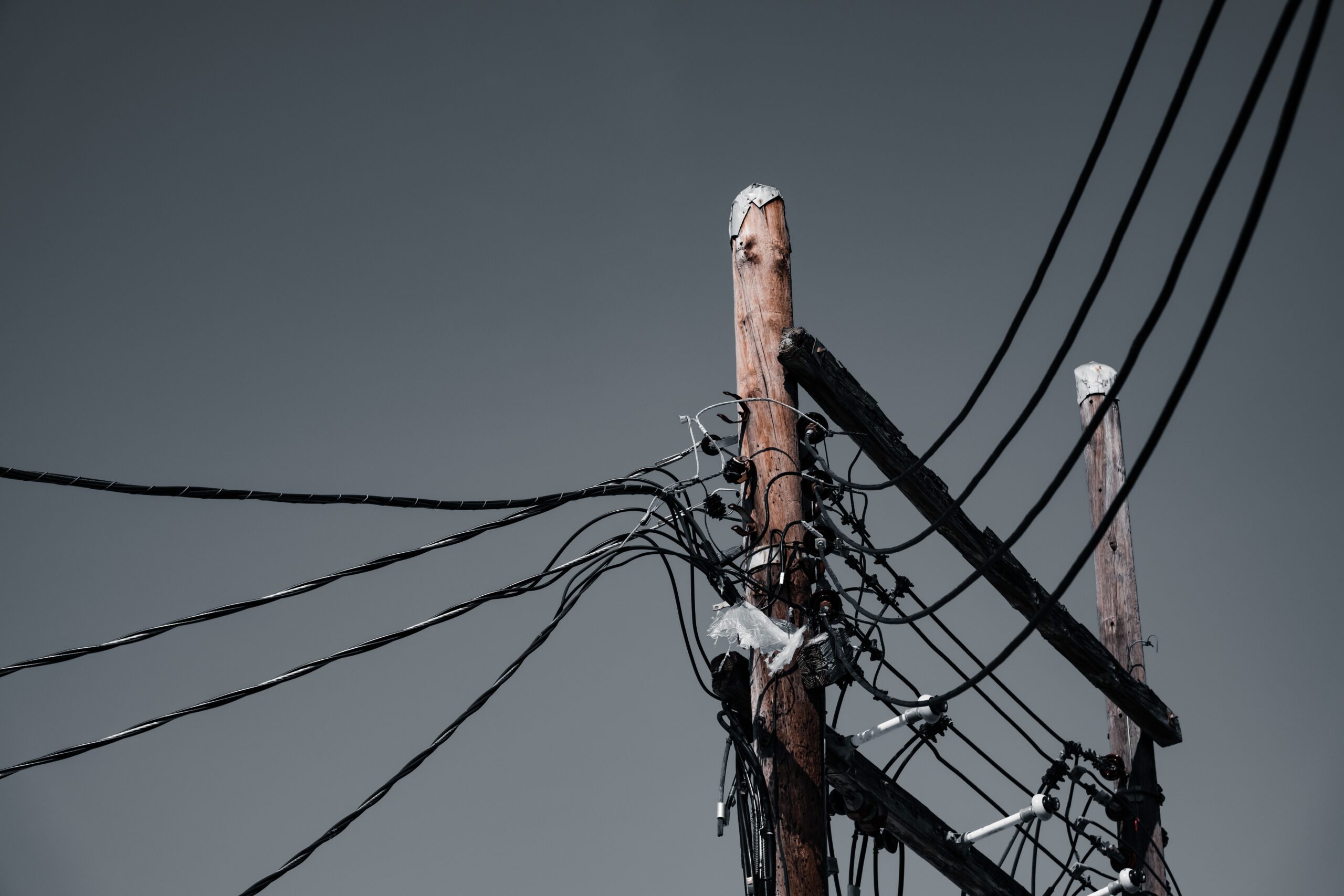
The economic and social implications of such outages in a region with a high percentage of worn-out infrastructure are significant. Power disruptions can affect heating, communications, and access to essential services, particularly in rural communities where alternative backup systems may be scarce. The fact that 70% of municipal infrastructure is critically worn out suggests that repair costs and maintenance challenges are persistent issues for local authorities. While the current repair effort is projected to resolve the immediate blackout, the underlying condition of the grid remains a point of concern for regional resilience.
Monitoring of the situation will focus on the successful completion of repair works by the stated deadline. However, the long-term question remains whether the region can undertake the substantial investment required to modernize its municipal infrastructure. Without significant upgrades to replace or reinforce the 70% of assets deemed critically worn out, Dagestan remains vulnerable to similar disruptions during future periods of severe weather. The incident serves as a reminder of the gap between existing infrastructure capacity and the environmental pressures faced by the region.