
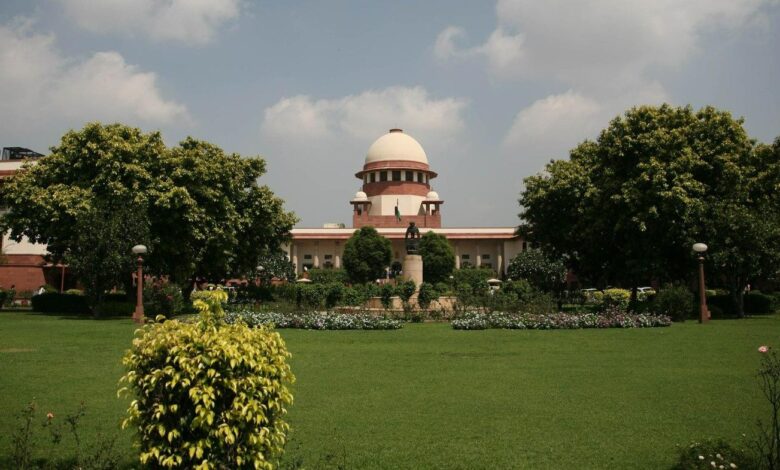
The legal development arises from the court’s ongoing monitoring of digital arrest frauds, where scammers impersonate law enforcement agencies using forged documents to coerce victims into transferring money. The principal legal question before the bench concerns the extent of liability and preventive duty owed by intermediaries and banks in the digital ecosystem. The court’s order seeks to move beyond general advisories, demanding specific, actionable measures from the entities that control the infrastructure used by perpetrators.
During the hearing, senior advocate Kapil Sibal, appearing for WhatsApp LLC (a Meta company), informed the bench that the platform had already taken preventive steps. He stated that WhatsApp had banned 9,400 accounts linked to digital arrest scams and the impersonation of law enforcement following an investigation. Sibal further noted that the platform intended to file an affidavit detailing these actions and was developing software designed to identify suspicious accounts and warn users. However, the court required a formal submission of these and other proposed measures to both the judiciary and the I4C, ensuring that the platform’s internal actions are transparent and subject to broader regulatory oversight.
The significance of the directive extends to the banking sector, where the court emphasized accountability for failures in due diligence. The bench reiterated that regulatory measures proposed by the Reserve Bank of India (RBI) must mandate that financial institutions indemnify victims of digital arrest scams and other cyber frauds. Specifically, the court stated that if it is established that a fraud occurred due to a financial institution’s failure to prevent or report the incident, the bank must pay compensation not less than the amount lost by the customer. This creates a direct link between institutional negligence and financial liability, shifting some of the burden of loss from individual victims to the institutions responsible for transaction security.
Chief Justice Surya Kant questioned why banks could not intervene when customers attempted to transfer unusually large sums inconsistent with their past transaction patterns. The bench emphasized that preventive safeguards, such as temporarily suspending suspicious transactions and automatically intimating the nearest police station, must be mandated for every financial institution. These measures are intended to create a procedural barrier against the rapid movement of funds typically seen in digital arrest scams, where victims are often pressured to act immediately.
In addition to directing platforms and banks, the court issued broader instructions to the state machinery. States and Union Territories were asked to operationalize State Cyber Crime Coordination Centres, while law enforcement agencies were directed to provide information on registered First Information Reports (FIRs), ongoing investigations, and recommendations for prosecution. The Inter-Departmental Committee was tasked with examining a shared liability and victim compensation framework, indicating a move toward a structured legal mechanism for addressing the financial and psychological impact of these crimes on victims.

The court’s order reflects a structured procedural approach to a complex, multi-agency problem. By requiring submissions from WhatsApp, the RBI, and law enforcement, the Supreme Court is effectively creating a unified response strategy. The distinction between allegations of fraud and judicial findings is maintained through the requirement for due diligence investigations before compensation is mandated, ensuring that liability is based on established failure rather than mere occurrence.
The matter is listed for further consideration on November 23, 2026. At that hearing, the court will review the submissions from WhatsApp, the RBI, and other concerned authorities. The outcome of that review may lead to further directions, potentially solidifying the legal framework for platform accountability and victim compensation in cases of digital arrest scams.