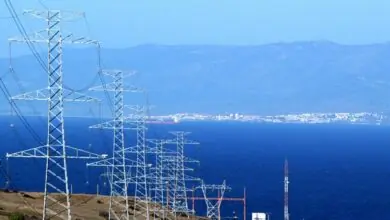
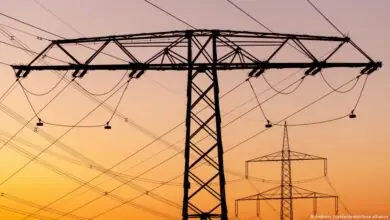
The impact has been immediate and severe for electricity markets. In Germany, the European Union’s largest economy, wholesale electricity prices on Thursday reached an average of €395 per megawatt-hour (MWh), the highest figure recorded since December 2022. At peak hours between 5 p.m. and 6 p.m., prices on the German wholesale market exceeded €936 per MWh, marking the highest hourly rate in 18 years. By contrast, prices in the preceding weeks had been more moderate, though they had already spiked above €800 per MWh in November during a previous period of low wind.
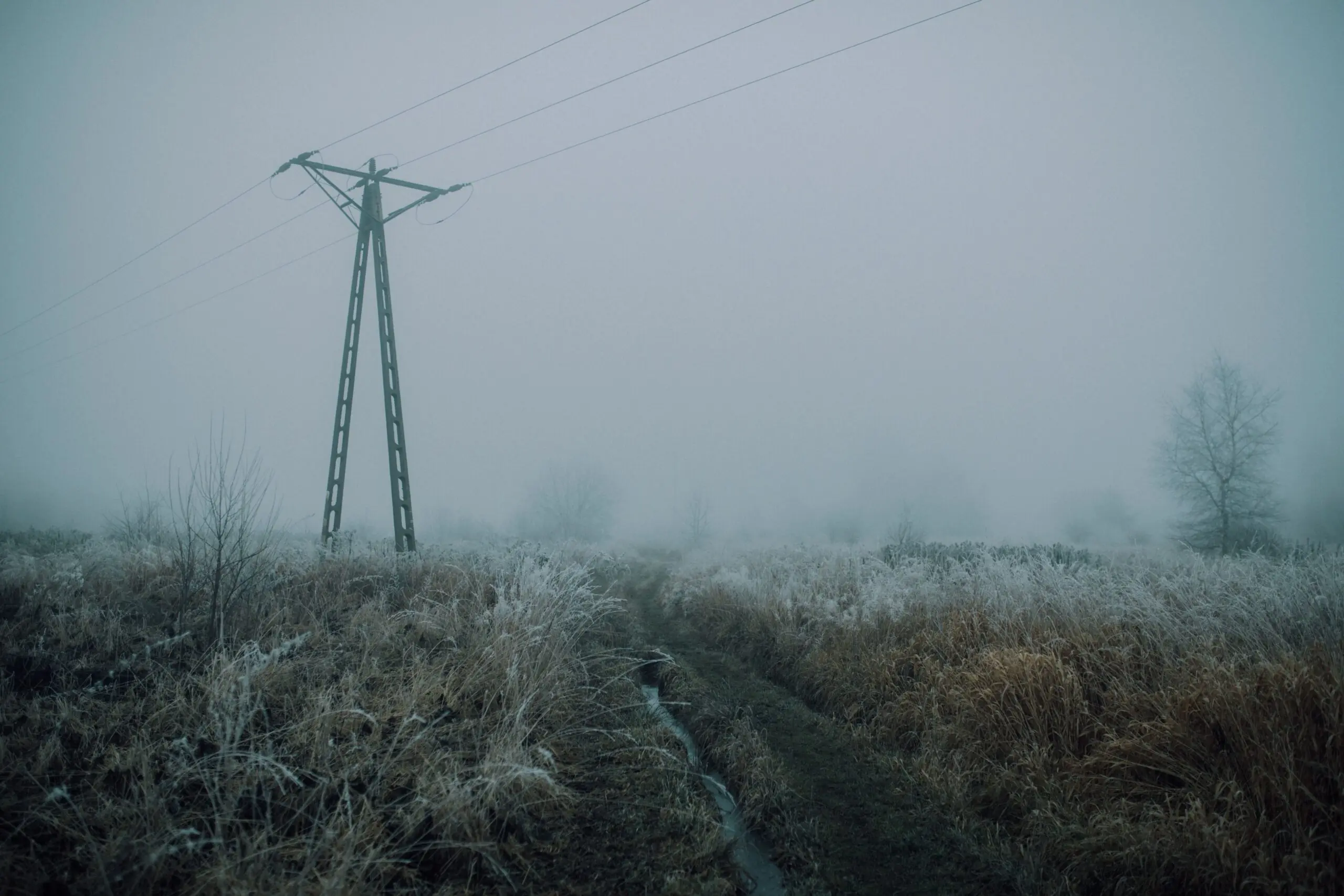
The primary driver of this price escalation is the near-total absence of wind power. According to data from the specialist portal Montel, Germany’s wind sector, which typically averages almost 20 gigawatts (GW) of capacity in this season, operated at just over 3 GW on Wednesday. Solar photovoltaic output was similarly suppressed by dense cloud cover. In May through August, solar energy accounted for a quarter of Germany’s electricity production; however, in November, this figure dropped to just 4.3%.
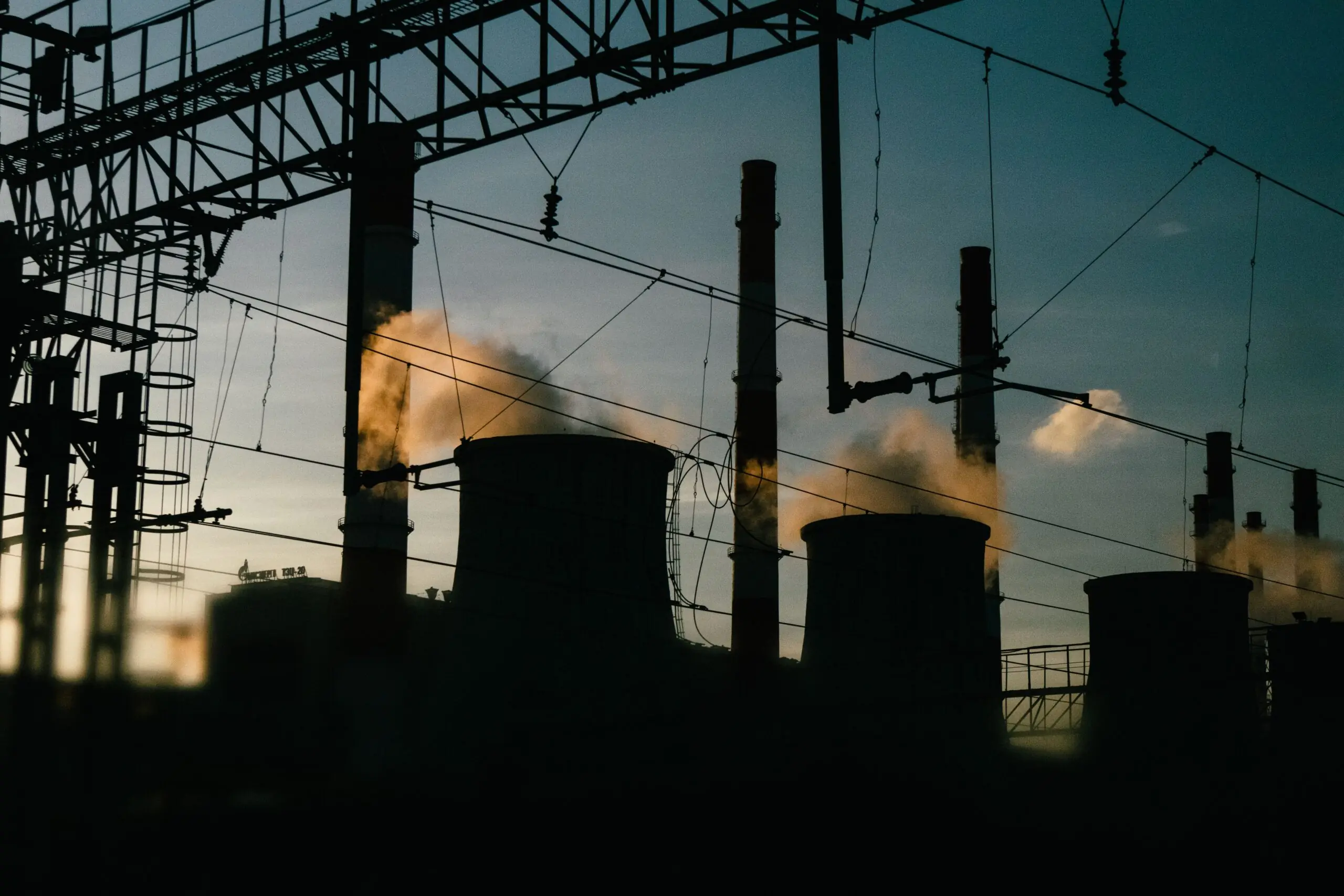
With renewables offline, the grid has been forced to rely heavily on fossil fuel backup generation. Since the war in Ukraine cut off cheap Russian gas, Germany has had to import more expensive alternatives from Norway and the United States. Consequently, gas-fired combined cycle plants have ramped up output to meet demand, directly linking gas consumption to electricity prices. Coal, which Germany aims to phase out by 2038, also played a larger role than planned. In November, over 30% of Germany’s electricity was produced by burning coal, a sharp contrast to Britain, which closed its last coal-fired power station this year. In some cases, oil was also burned at maximum capacity for electricity production.
This shift in generation mix is accelerating the depletion of gas reserves. Early in November, Germany’s underground gas storage was 98% full. In recent weeks, this level has dropped to approximately 85–87%, a decline rate faster than the average seasonal burn-off. The average European reserve stands at 80%. This rapid drawdown highlights the structural shift in Europe’s winter energy security, where gas is no longer just a heating fuel but a critical variable for grid stability during renewable shortfalls.
The phenomenon has also increased reliance on cross-border electricity imports. Data indicates that nearly a fifth of imported electricity into Germany during this period was generated from fossil fuels, while another 18% came from nuclear energy. This creates a complex dynamic, as Germany decommissioned its last nuclear reactors last year, ending a program that previously provided a third of the country’s electricity at its peak in the early 2000s. Neighboring countries, including France and Poland, have become essential suppliers, but the cost of this imported power reflects the high wholesale prices in the region.
For consumers, the economic impact is tangible. In the United Kingdom, households with rooftop solar are seeing minimal returns from their investments during these weather windows. One resident with a 6.36 kW solar array reported generating only 2.40 kWh on a fully overcast day, forcing the home to import 20.60 kWh from the grid despite having an 11.52 kWh battery storage system charged on off-peak tariffs. While solar energy remains the cheapest form of generation under favorable conditions—with marginal costs as low as €0.024 per unit—the intermittency of the technology requires robust backup infrastructure.
Analysts note that the current situation is distinct from the 2022 energy crisis, which was driven by historic gas price spikes due to geopolitical supply shocks. The current episode is described as purely temporary, driven by specific weather patterns rather than structural supply shortages. Forecasts suggest that as wind returns and temperatures moderate, wholesale prices should normalize. However, the event underscores the ongoing challenge of balancing a rapidly growing renewable portfolio with the need for reliable, low-carbon backup capacity during the darkest, coldest months of the year.